Gut-Mouth Connection: The Oral Gut Axis
The gut is a well-connected organ and a key player in the GI tract. Let's explore the connection between the top of the GI tract, and near the end: the gut-mouth connection.
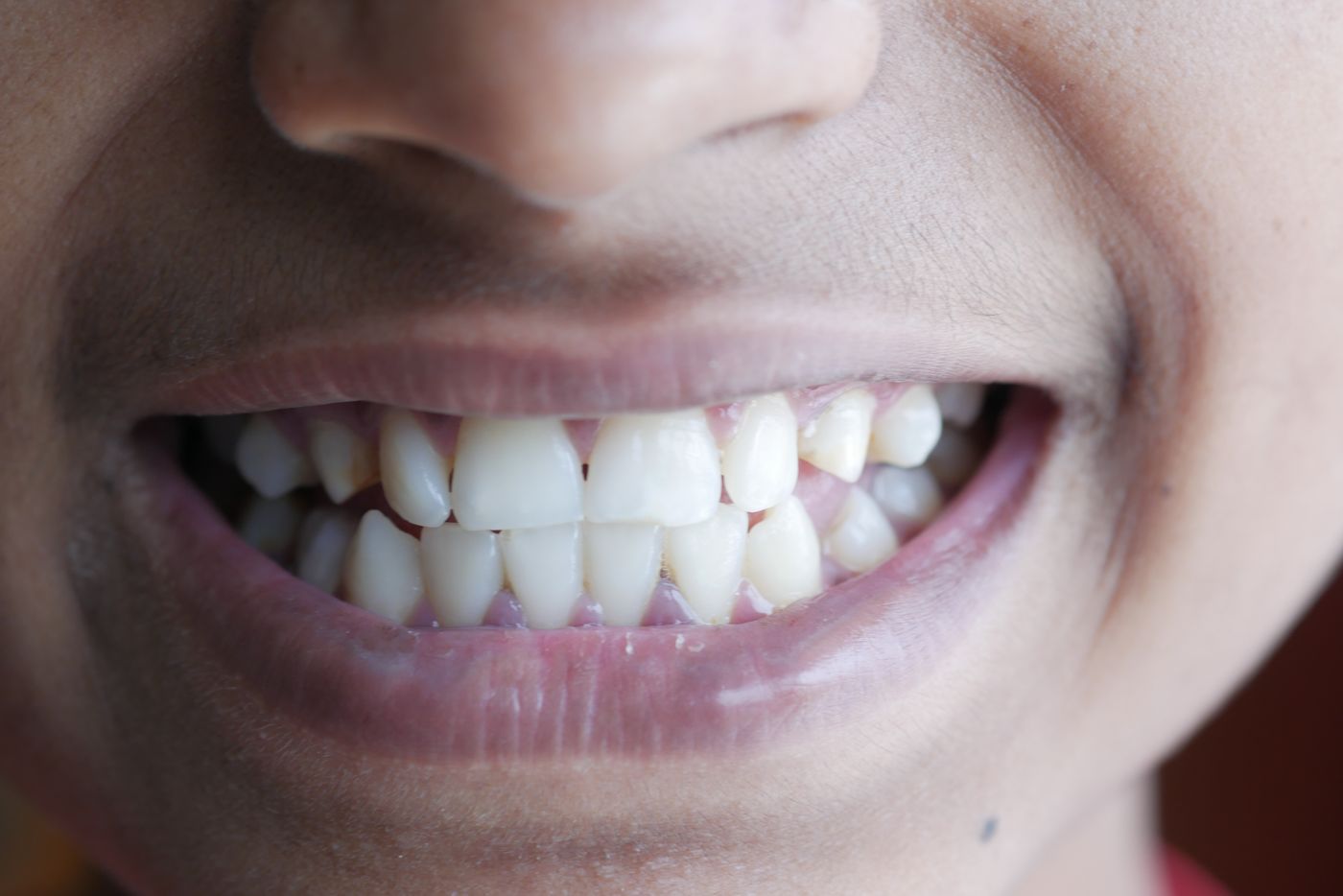
Oral bacteria have a dear place in the world of microbiology. One of the first bacteria discoveries was found in teeth plaque by Antony van Leeuwenhoek, maker of early single-lens microscopes, in 1683.1 He described several different types of bacteria, all of them “prettily amoving.” We now know that this plaque is at the top of the GI tract and not so prettily ahelping further down the line.
As we’ve discussed previously, digestion begins right away in the mouth through the physical crushing and grinding of food. Chemical digestion from digestive enzymes found in saliva also begins here, too. It makes sense that a connection and regular communication take place between the gut and mouth.
The mouth is like the headwaters of the river that is the GI tract.
Believe it or not, 3 – 6 cups of saliva are produced daily! The mouth has its own microbiome, its own balance of bacteria living their best life in your mouth.2 In fact, the oral microbiome is second in a number of bacteria only to the gut microbiome.
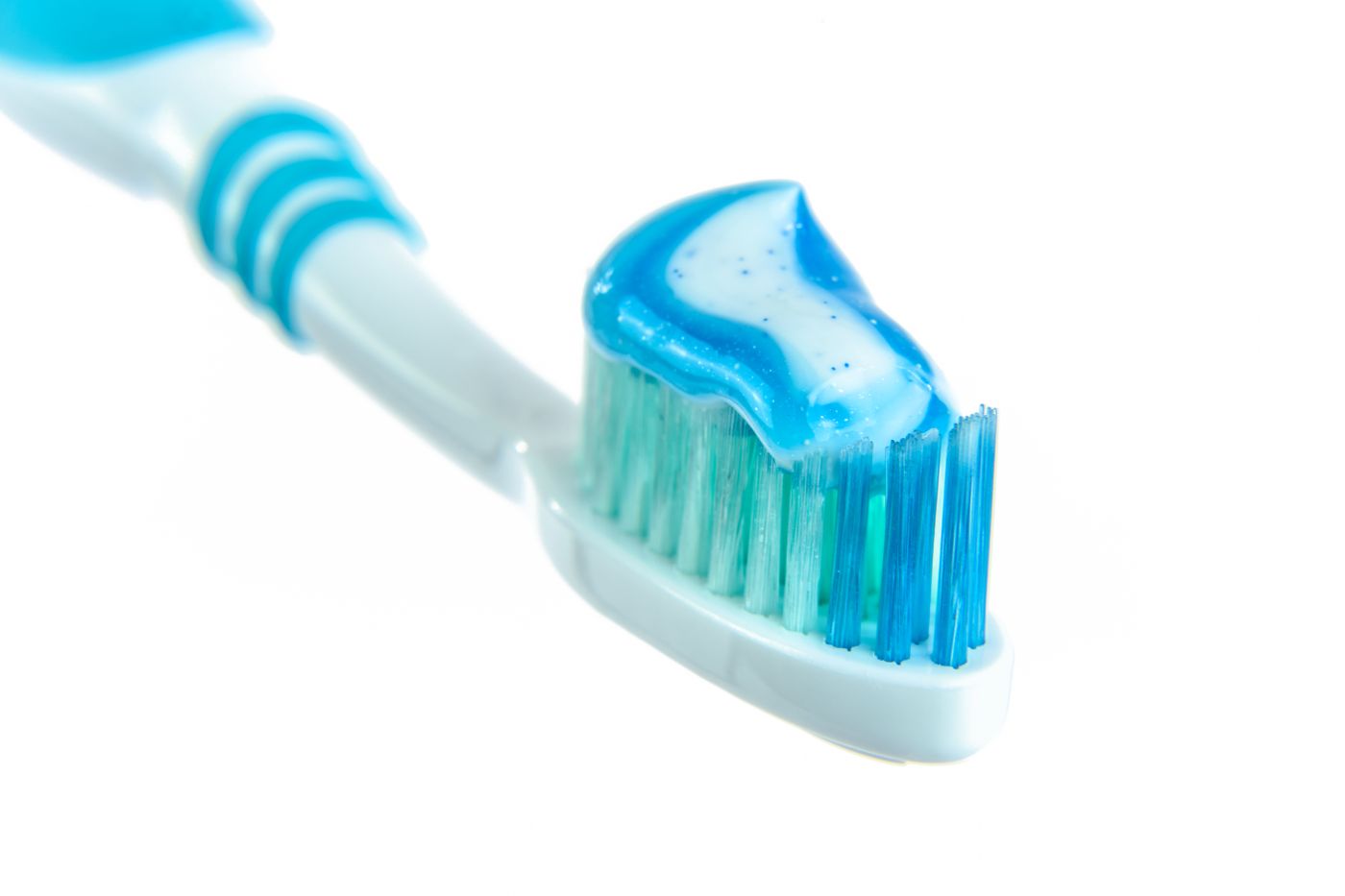
These little mouth dwellers even make colonies in different locations.
Some bacteria prefer the great plains of the tongue, while others prefer to cave dwell in the teeth. Still, others prefer the high life on the soft palate. Unlike the gut microbiome, the mouth microbiome is much more stable and experiences fewer highs and lows.32 These bacteria are regularly swallowed and make their way to the stomach where most are killed off by stomach acid. Remember, these bacteria prefer the cushy life in the mouth. However, there are some strains of oral bacteria that are acid resistant and can take up residence in the gut. One particularly resilient strain is Porphyromonas gingivalis. It is the bacteria known for contributing to periodontal disease (gum disease). These resilient little bacteria may be able to colonize in the gut and contribute to systemic inflammation.42 The cycle of systemic inflammation then contributes to a decline in oral health.
Dentist’s top three habits for health:

1. Brush
Best practice involves twice a day brushing for two minutes each time. Aim the bristles to where the teeth and gums meet and in small circles, brush side to side.5

2. Floss
Remember the cave-dwelling bacteria? Those squatters are not easily reached with the bristle of a toothbrush and require gentle removal with traditional floss or the convenient pre-threaded flossers. If this is not a habit that comes naturally, try adding it in the evenings to avoid the morning rush.
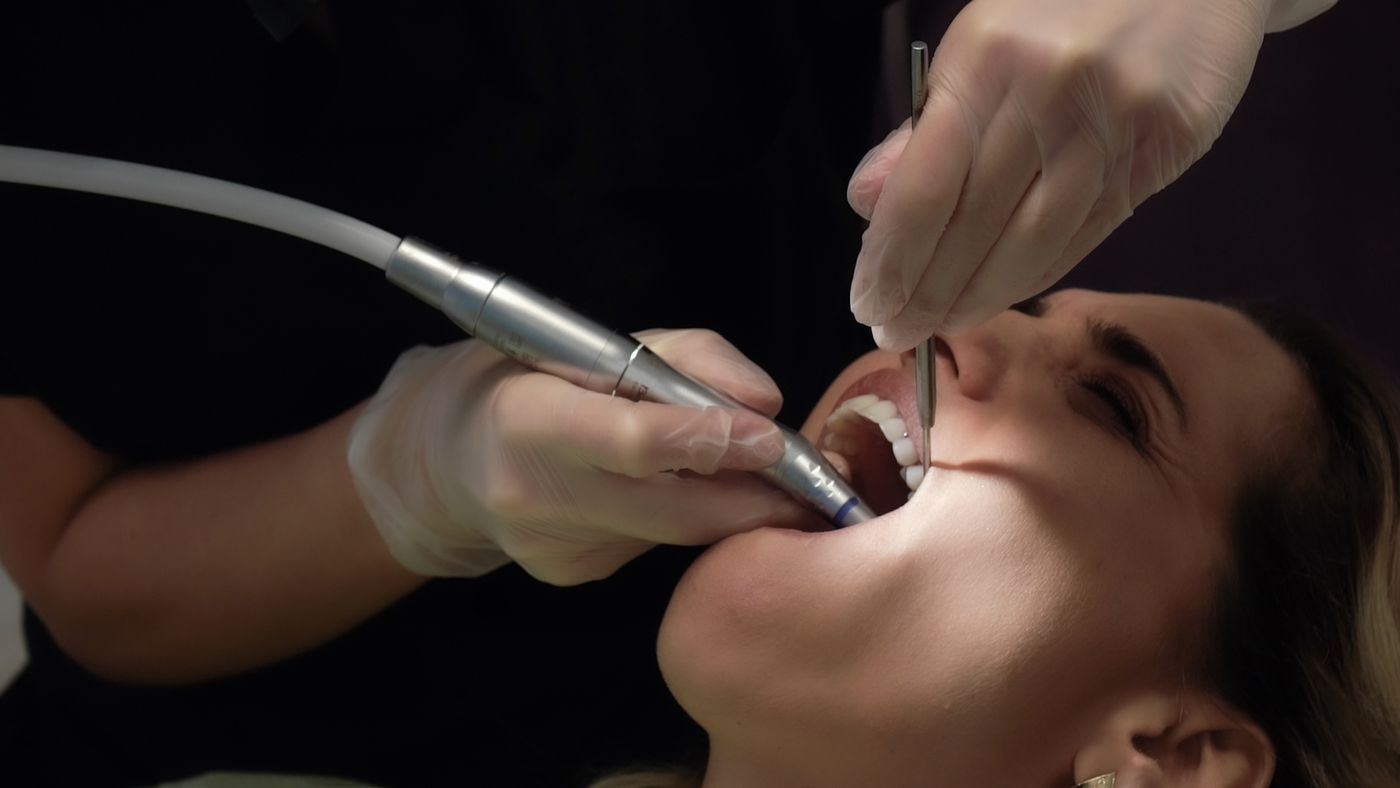
3. Schedule regular cleanings and checkups with your dentist
Professional plaque and tartar (the hardened form of plaque that has not been removed and is not typically removed by brushing and flossing alone) removal make your daily brushing and flossing even more effective. The professionals can also monitor changes that happen over time and may indicate a bigger issue.
Having healthy teeth and gums enables us to properly chew food leading to improved digestion. Having a mouth with teeth and gum complications can point to more challenges further down the line. This connection can work together for your benefit, too.

Support your gut through a gut-friendly lifestyle that features dental care and our naturally fermented supplement, Flourish living probiotics. Your gut and smile will thank you!

Ready to try a living probiotic?
Eleven living strains. One daily shot. For the whole family.
Shop Flourish Original · Shop Flourish Junior · When to take it
About this article
Written by: Lorilyn Van Dyke, Entegro Health | Originally published: February 2021
Important information
The content in this article is not a substitute for professional medical advice, diagnosis, or treatment.
These statements have not been evaluated by the Food and Drug Administration. This product is not intended to diagnose, treat, cure, or prevent any disease.
Sources
- Antonie van Leeuwenhoek and the dawn of microscopic observation — on his 1683 examination of dental plaque, and on single-lens instruments outperforming the compound microscopes of Hooke and the Janssens. Applied Microscopy. Source
- Lu, M., Xuan, S., & Wang, Z. (2019). Oral microbiota: A new view of body health. Food Science and Human Wellness, 8(1), 8–15. Source
- Deo, P. N., & Deshmukh, R. (2019). Oral microbiome: Unveiling the fundamentals. Journal of Oral and Maxillofacial Pathology, 23(1), 122–128. Source
- Olsen, I., & Yamazaki, K. (2019). Can oral bacteria affect the microbiome of the gut? Journal of Oral Microbiology, 11(1), 1586422. Source
- Mayo Clinic. Healthy lifestyle: adult health, dental (in-depth). Source