Inflammation
Inflammation is an alarm, not a disease. The trouble is that one kind goes off loudly for a few days and the other hums quietly for years.

Like a check engine light, inflammation is there to tell you something is wrong. Unlike your late-90s car dashboard lighting up, this one shouldn't be ignored — the useful move is to find out why the alarm is going off rather than to resent the noise.
Acute inflammation: the loud kind

This is the one everybody meets young. The classical signs are:
- Redness
- Warmth
- Swelling
- Pain
- Loss of function — the fifth, added later, and often the one that finally makes someone take an injury seriously1
Smash a finger, scrape a knee, and the immune system activates. White blood cells rush to the site to slow bleeding and keep pathogenic bacteria from setting up shop. It's a beneficial response — the body healing itself while flagging that something happened. It's built to run for a few days and then stop.
Chronic inflammation: the quiet kind

The progression is silent. The results are not.
Things commonly reported alongside chronic inflammation include:
- Body pain
- Fatigue and disrupted sleep
- GI complications such as constipation or diarrhea
- Weight gain or weight loss
- Frequent infections1
Mood is on that list too, in the research if not in the tidy way people sometimes present it. Inflammation and depression are genuinely associated, and the relationship appears to run in both directions rather than one causing the other.1,2 If your mood is what's troubling you, that's a conversation for a doctor rather than something to file under inflammation and try to eat your way out of.
Why is it so hard to pin down?
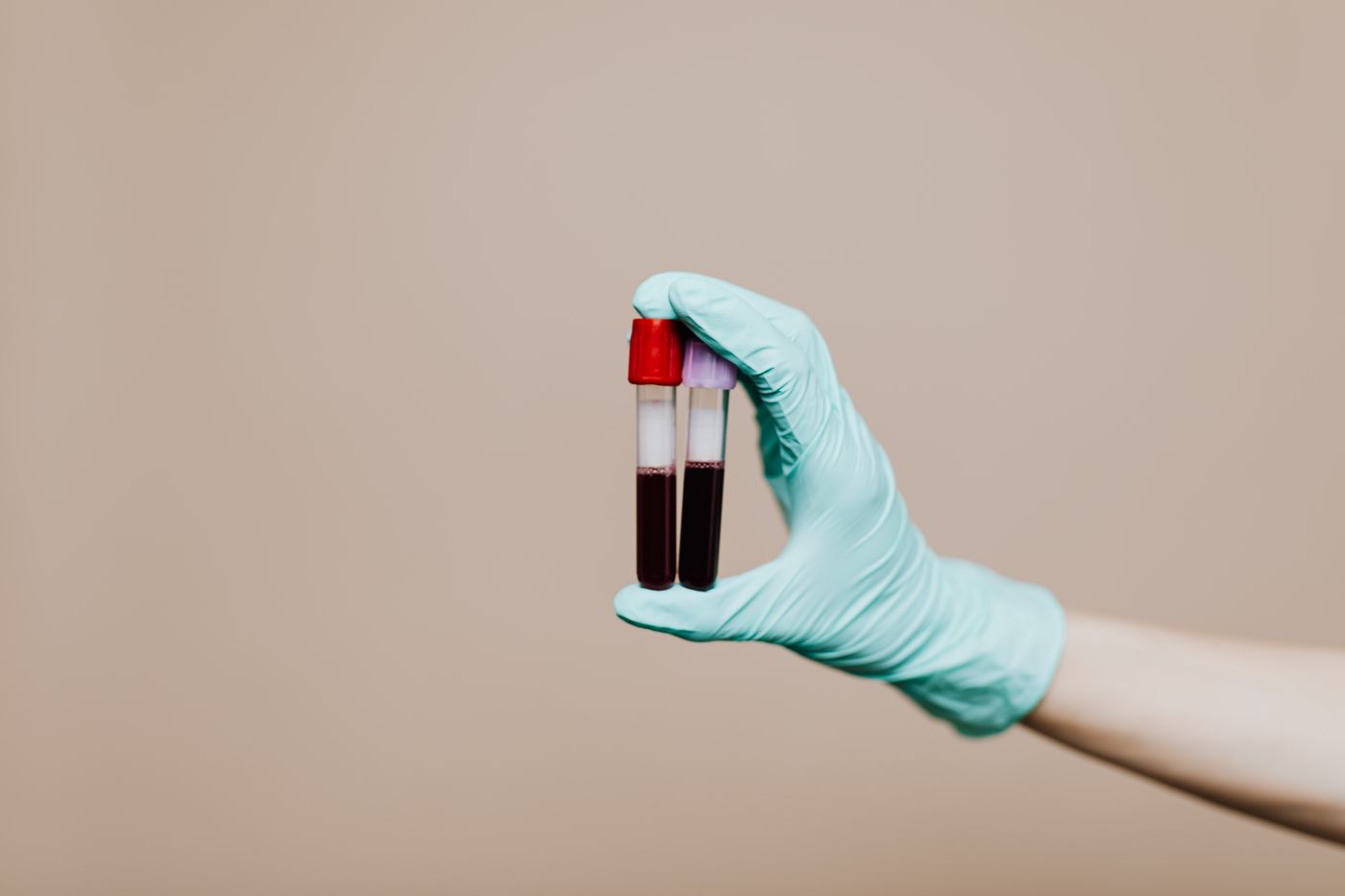
Not for lack of tests. Markers like C-reactive protein and erythrocyte sedimentation rate are ordered routinely and do detect inflammation.1
The catch is that they're non-specific. They tell a clinician that inflammation is present somewhere. They don't say where, and they don't say why. A raised CRP is a fact in search of an explanation.
So chronic inflammation tends to be pieced together rather than diagnosed off a single result — and often only assembled properly once something else has surfaced as a consequence.
What keeps the alarm ringing?
Long-term inflammation usually comes down to one or more of three things:1
- The cause was never removed. An infectious organism — bacteria, fungus, protozoa or another parasite — that's still there.
- Ongoing exposure to a low-level irritant, such as a food sensitivity or something in the environment.
- An autoimmune disorder, where the immune system reads a normal part of the body as a foreign invader and keeps responding to it.
How much does this actually matter?
Quite a lot, on the numbers.
Chronic inflammatory conditions are recognized as the most significant cause of death worldwide, with more than half of all deaths attributable to inflammation-related disease.2
Closer to home, the CDC now reports that three in four American adults live with at least one chronic condition, and more than half have two or more.3,4 Those figures have risen, which does not make the challenge smaller.
What actually helps?

Prevention is a great deal easier than disease management, and the CDC narrows the modifiable risk behaviors to the big four:3
- Not smoking
- Decent nutrition
- Physical activity
- Sensible alcohol use
Unglamorous, unsurprising, and still the four that move the needle furthest.
Where does the gut come into it?
The gut holds the largest mass of lymphoid tissue anywhere in the body — a substantial share of your immune machinery lives along the digestive tract rather than somewhere more obviously defensive.5 Which makes supporting the gut a reasonable part of supporting the rest of you.
If you want to go further:
- Simple Gut-Friendly Habits
- A Glimpse into the Human Gut Microbiome
- Food's Journey Through the GI
- Pregnancy, Delivery & the Gut Microbiome
Where does Flourish fit?
Flourish Original and Flourish Junior are living liquid probiotics — eleven strains from five families, small-batch fermented in Iowa — taken daily to support digestive and microbiome health.
That's a supporting role next to the big four, not a substitute for any of them, and not something that treats inflammation.
Flourish is a dietary supplement made to support digestive and microbiome health. It isn't an anti-inflammatory and it isn't a treatment for any condition. If you have persistent symptoms, see your doctor rather than self-managing.

Ready to try a living probiotic?
Eleven living strains. One daily shot. For the whole family.
Shop Flourish Original · Shop Flourish Junior · Why we keep it liquid
Our bodies have a lot to say. Mostly we just need to be present enough to listen, and willing to do something about what we hear.
A few questions we hear a lot
Is all inflammation bad?
Not at all. The acute kind is how you heal — redness, warmth, swelling, pain and loss of function are the immune system doing its job over a few days.1 Chronic inflammation is the version that overstays.
Can I get tested for chronic inflammation?
There are markers — CRP and ESR among them — and they're ordered routinely.1 They're non-specific, though: a raised result says inflammation is present somewhere without saying where or why. It's a starting point for a doctor, not an answer on its own.
Does inflammation cause chronic disease?
The honest framing is association and burden rather than simple cause. Chronic inflammatory conditions are recognized as the leading cause of death worldwide, with over half of all deaths attributable to inflammation-related disease.2 That's a strong relationship; it isn't the same as inflammation causing each condition on its own.
What are the four biggest things I can change?
Tobacco, nutrition, physical activity and alcohol.3 Not exciting, and still the ones with the most evidence behind them.
Why does the gut keep coming up?
Because it holds the largest mass of lymphoid tissue in the body.5 A lot of immune activity happens along the digestive tract, so gut health and immune function are hard to separate.
Will a probiotic reduce inflammation?
We're not claiming that. Flourish supports digestive and microbiome health. If you're dealing with something persistent, that belongs with your doctor.
About this article
Written by: Lorilyn Van Dyke, Entegro Health | Originally published: May 2021
Important information
This article is for general education and isn't a substitute for professional medical advice, diagnosis, or treatment. Always seek the advice of your physician or another qualified health provider with any questions regarding a medical condition, and before starting a new supplement. If you are struggling with your mental health, please speak to a health professional. These statements have not been evaluated by the Food and Drug Administration. This product is not intended to diagnose, treat, cure, or prevent any disease.
Sources
- Pahwa, R., Goyal, A., & Jialal, I. Chronic Inflammation. StatPearls. NCBI Bookshelf. On the cardinal signs, causes of persistent inflammation, and the non-specific inflammatory markers used in assessment. Source
- Furman, D., Campisi, J., Verdin, E., et al. (2019). Chronic inflammation in the etiology of disease across the life span. Nature Medicine, 25, 1822–1832. Source
- Centers for Disease Control and Prevention. About Chronic Diseases — three in four US adults have at least one chronic condition; the four modifiable risk behaviors. Source
- Watson, K. B., Wiltz, J. L., Nhim, K., et al. (2025). Trends in Multiple Chronic Conditions Among US Adults, By Life Stage, Behavioral Risk Factor Surveillance System, 2013–2023. Preventing Chronic Disease, 22, 240539. Source
- Mowat, A. M., & Agace, W. W. (2014). Regional specialization within the intestinal immune system. Nature Reviews Immunology, 14, 667–685. Source