All About Fiber
Two kinds of fiber, one target, and a lot of confusion about which foods do what. We asked a registered dietitian to sort it out.
In this excerpt from our interview series Live & Learn, we talk with Tonya Huenink, RD — creator and owner of Meal Squeeze, the family meal planning service. She covers gut health, fiber, and simple ways to support your friendly bacteria with the food you already eat.

Tonya Huenink, RD
Registered Dietitian · founder of Meal Squeeze
Everything in quotation marks below is Tonya's. Anything in an editor's note is ours.
As a dietitian, why does gut health matter?
"To me, good gut health means you are effectively digesting and absorbing your food, you have a healthy microbiota, your immune system is working well, and you have a good quality of life.
A healthy gut needs the proper balance of good bacteria and other microorganisms that help break down your foods and synthesize vitamins."
What are the different types of fiber, and where do you find them?
"There are two types of fiber: soluble and insoluble."
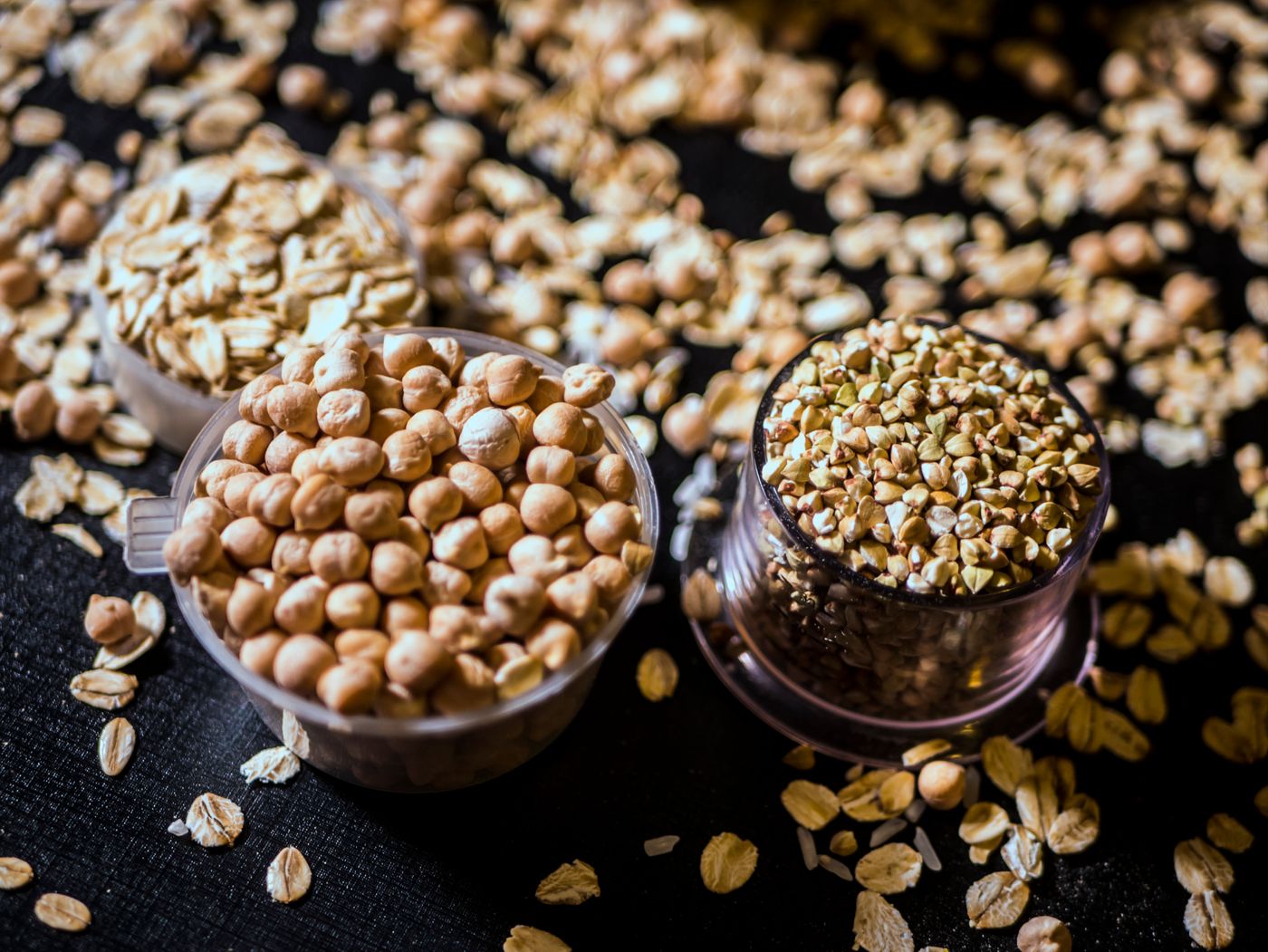
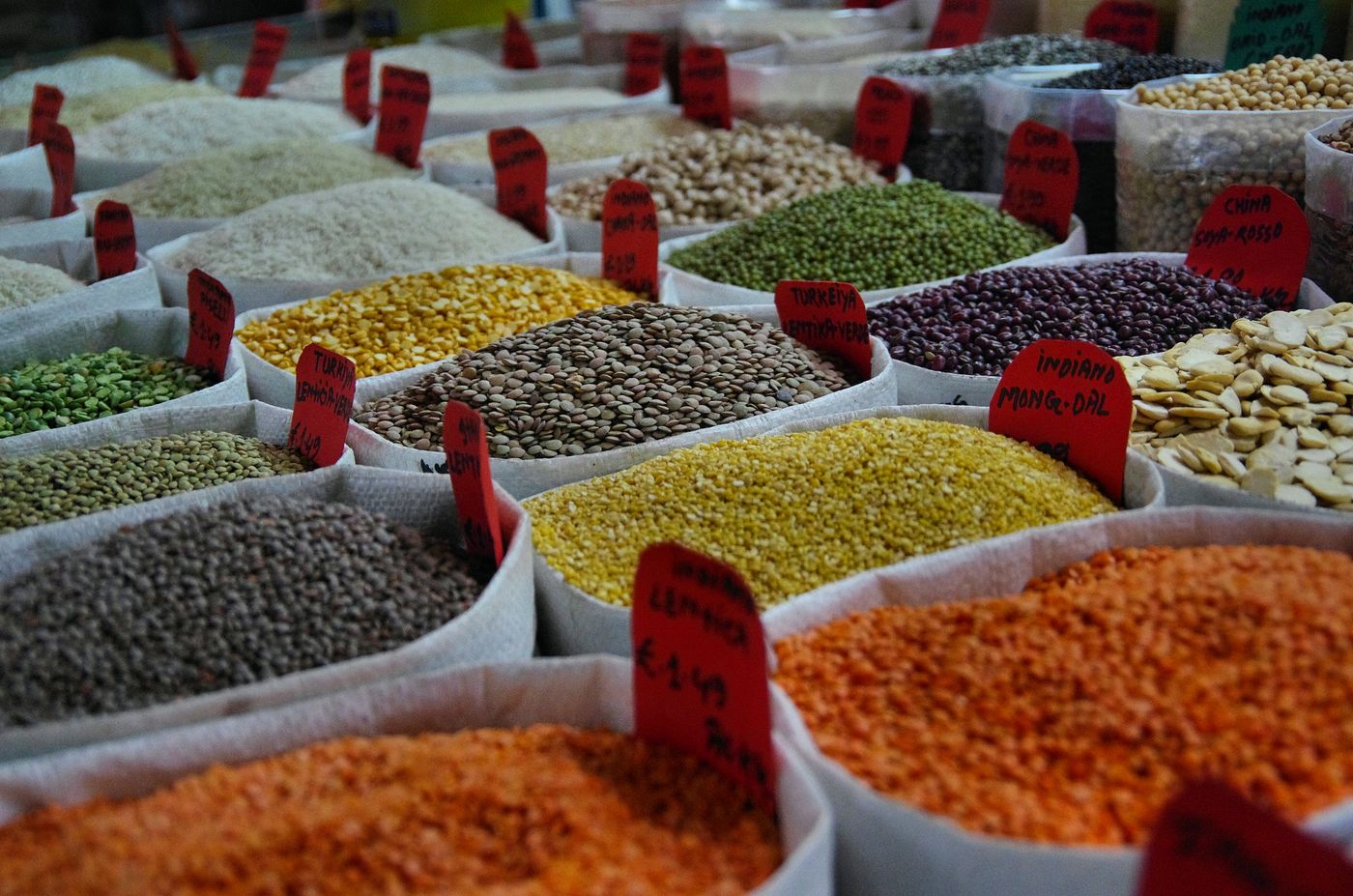
"Soluble fiber dissolves in water and creates a soft, gel-like substance. It's found in foods like oat bran, nuts, seeds, beans, lentils, fruits and vegetables. It is most well-known for helping to manage cholesterol and softening stool to make bowel movements easier to pass. It also helps to slow down fat absorption, stabilize blood sugars, and acts as a food (or prebiotic) for healthy gut bacteria."
Editor's note — two small clarifications
Where the gel forms. The gelling happens in the stomach and small intestine rather than the colon1 — which is exactly how it slows fat absorption and steadies blood sugar. The colon is where fermentation happens, further down.
Food for bacteria isn't automatically a prebiotic. Under the ISAPP consensus definition, a prebiotic has to be selectively used by your microbes and shown to produce a health benefit.2 Plenty of fermentable fiber has never been tested to that standard. It's still worth eating — the word is just narrower than it sounds. We get into it in Prebiotics with Probiotics.
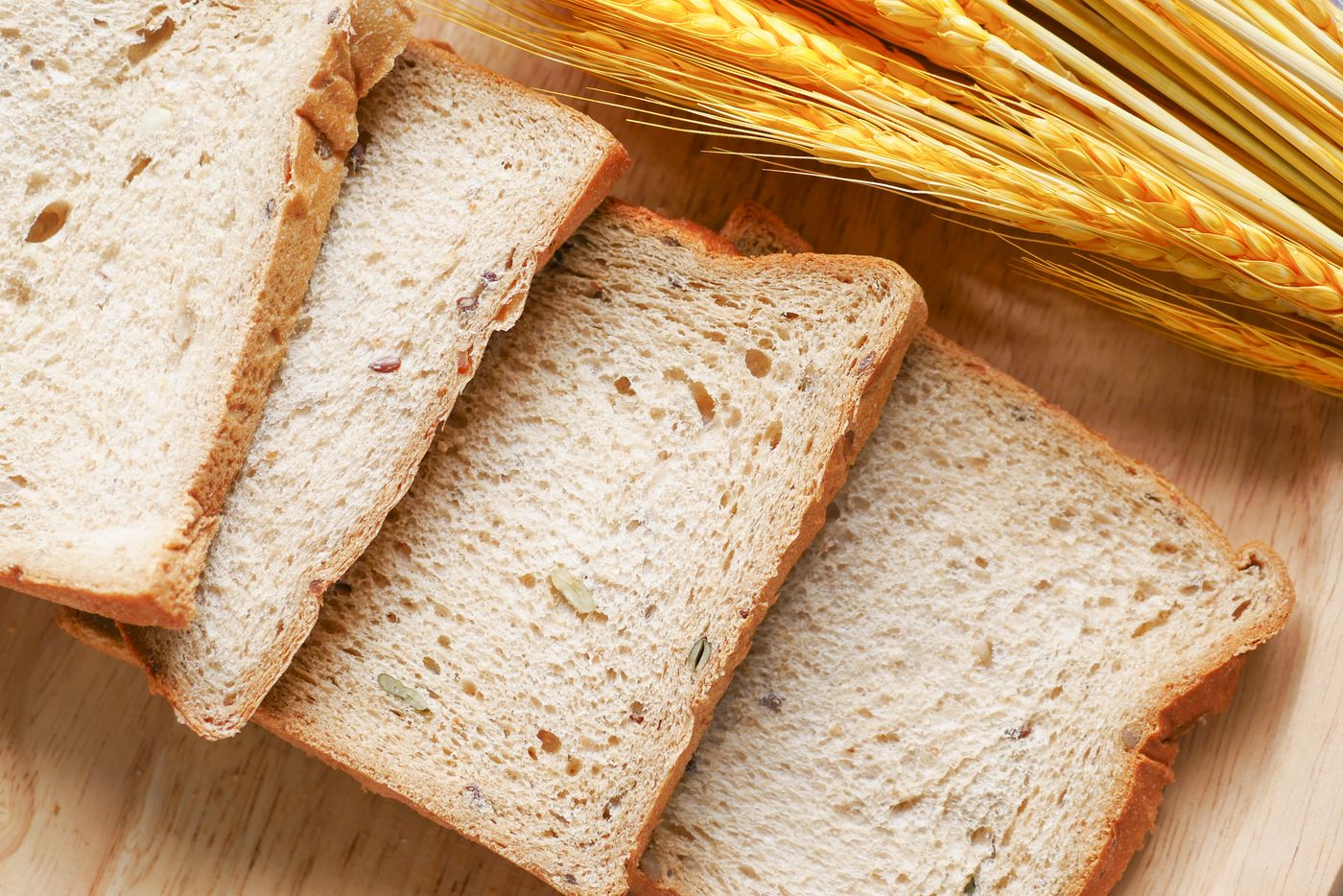
"Insoluble fiber doesn't dissolve in water and helps to bulk up the stool and keep the waste moving through the bowels more quickly. It's found in foods like whole wheat, wheat bran, and whole grain products and vegetables.
Both types are important. Foods high in fiber help you feel more satisfied after a meal and can keep you feeling full longer. They can also help lower the risk of certain diseases, like cardiovascular disease, diabetes, and metabolic syndrome."3
How much should you actually be aiming for?
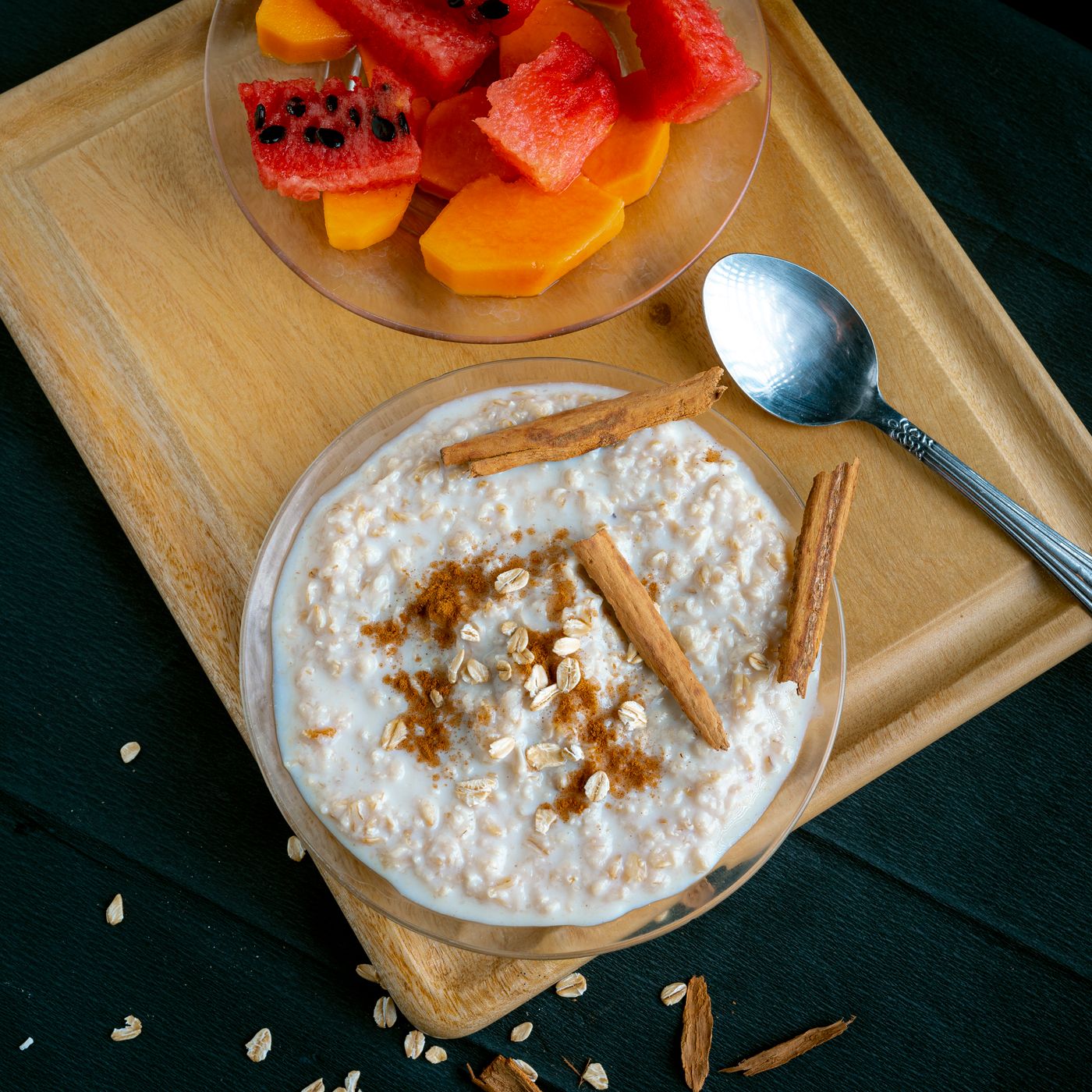
"Aim for 30 grams per day, with about 8 grams coming from soluble fiber. Many foods have a combination of both types of fiber. For example 1 cup of oatmeal has approximately 2 grams of soluble and 2 grams of insoluble." She points to oatmeal and black beans as good sources of soluble fiber.
About that 30 gram target
Thirty grams is a sensible round number, and close to the FDA's Daily Value for fiber, which is 28 g and applies to everyone.5
It isn't the only number in circulation, though. The Institute of Medicine sets Adequate Intakes of 38 g for men and 25 g for women aged 19 to 50, dropping to 30 and 21 after that.6 That's the framing we use in 10 High Fiber Foods.
Both are legitimate; they're just answering slightly different questions. Whichever you follow, the honest headline is the same — the average American manages about 15 g, so nearly everyone has room to move.7
How do you add more fiber without regretting it?

"When striving to increase intake, it's important to go slow. Increasing too quickly can lead to gas, bloating, and pain. It's also possible to become constipated if you don't drink enough water, so you want to make sure you ramp up your water intake as you increase fiber."
Which is the whole trick, really. Fiber needs water to do its job comfortably — soluble fiber in particular is only useful once it has something to gel with. Doubling your intake overnight without touching your water is a reliable way to decide fiber isn't for you.
Go up gradually, drink more, and give your bacteria a couple of weeks to adjust.
Where does Flourish fit?
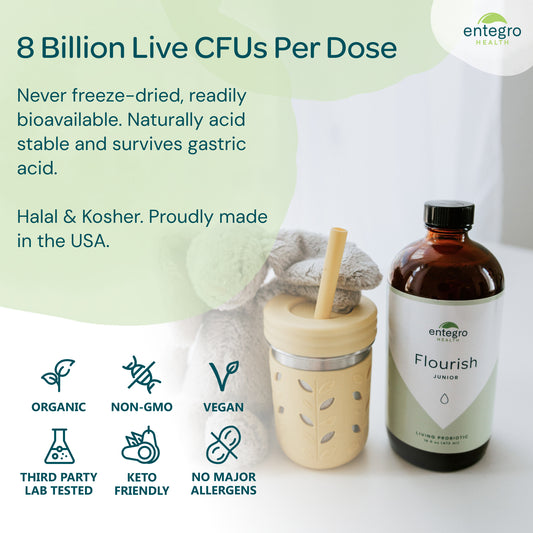
Alongside the food, doing a different job. Fiber feeds the bacteria you already have. Flourish Original and Flourish Junior are living liquid probiotics — eleven strains from five families, small-batch fermented in Iowa — taken daily to support digestive and microbiome health.
Neither replaces the other, and if you only do one of the two, eat the fiber.
Flourish is a dietary supplement made to support digestive and microbiome health. It isn't a treatment for any condition. Check with your doctor or a registered dietitian before making a large change to your fiber intake, particularly if you're managing a diagnosed digestive condition.

Ready to try a living probiotic?
Eleven living strains. One daily shot. For the whole family.
Shop Flourish Original · Shop Flourish Junior · Why we keep it liquid
You can watch more of our conversation with Tonya here, including details of her meal planning program.
A few questions we hear a lot
What's the practical difference between soluble and insoluble fiber?
Soluble dissolves and gels, which slows digestion, helps manage cholesterol and softens stool. Insoluble doesn't dissolve; it adds bulk and speeds transit. Most fiber-rich foods contain both, in different ratios.
So how much soluble fiber should I get?
Tonya suggests about 8 g of a 30 g total. Five to ten grams a day is the range usually cited for a meaningful effect on LDL cholesterol, so that sits comfortably inside it.8
Why does more fiber make me gassy?
Because your gut bacteria are fermenting it, and gas is a normal by-product. It usually settles as your microbial community adjusts to the new supply — which is the argument for increasing gradually rather than all at once.
Can fiber make constipation worse?
It can, if you're not drinking enough. Fiber needs water to soften and move; without it you can end up more blocked up than before. Increase both together.
Is a fiber supplement as good as food?
It's a reasonable backstop, but whole foods bring the rest of the package — the vitamins, minerals and fats that an isolated fiber powder doesn't. Food first.
Which single food gives the most soluble fiber?
Beans are hard to beat. Half a cup of cooked black beans brings around 2.4 g of soluble fiber on top of a healthy dose of insoluble.4 Oats are the other reliable answer.
About this article
Interview by: Lorilyn Van Dyke, Entegro Health | Featuring: Tonya Huenink, RD | Originally published: February 2021
Quotations are from our Live & Learn interview and are reproduced as given. Editor's notes are Entegro's.
Important information
This article is for general education and isn't a substitute for professional medical or dietary advice, diagnosis, or treatment. Fiber content varies with variety, ripeness and preparation; treat the figures here as good estimates. Always seek the advice of your physician or a registered dietitian with questions about your diet, and before starting a new supplement. These statements have not been evaluated by the Food and Drug Administration. This product is not intended to diagnose, treat, cure, or prevent any disease.
Sources
- Gill, S. K., Rossi, M., Bajka, B., & Whelan, K. (2021). Dietary fibre in gastrointestinal health and disease. Nature Reviews Gastroenterology & Hepatology, 18, 101–116. Source
- Gibson, G. R., Hutkins, R., Sanders, M. E., et al. (2017). Expert consensus document: The International Scientific Association for Probiotics and Prebiotics (ISAPP) consensus statement on the definition and scope of prebiotics. Nature Reviews Gastroenterology & Hepatology, 14, 491–502. Source
- Reynolds, A., Mann, J., Cummings, J., et al. (2019). Carbohydrate quality and human health: a series of systematic reviews and meta-analyses. The Lancet, 393(10170), 434–445. Source
- UCSF Health. Increasing Fiber Intake — soluble and insoluble fiber content of common foods. Source
- 21 CFR 101.9 — Nutrition labeling of food. The Reference Daily Intake behind the % Daily Value for dietary fiber is 28 g. Source
- Institute of Medicine (2005). Dietary Reference Intakes for Energy, Carbohydrate, Fiber, Fat, Fatty Acids, Cholesterol, Protein, and Amino Acids — Adequate Intake for total fiber. Source
- Quagliani, D., & Felt-Gunderson, P. (2017). Closing America's Fiber Intake Gap. American Journal of Lifestyle Medicine, 11(1), 80–85. Source
- 21 CFR 101.81 — Health claims: soluble fiber from certain foods and risk of coronary heart disease. Source