10 High Fiber Foods
Most of us eat about half the fiber we should. The fix isn't a supplement aisle — it's ten ordinary things already sitting in your grocery store.
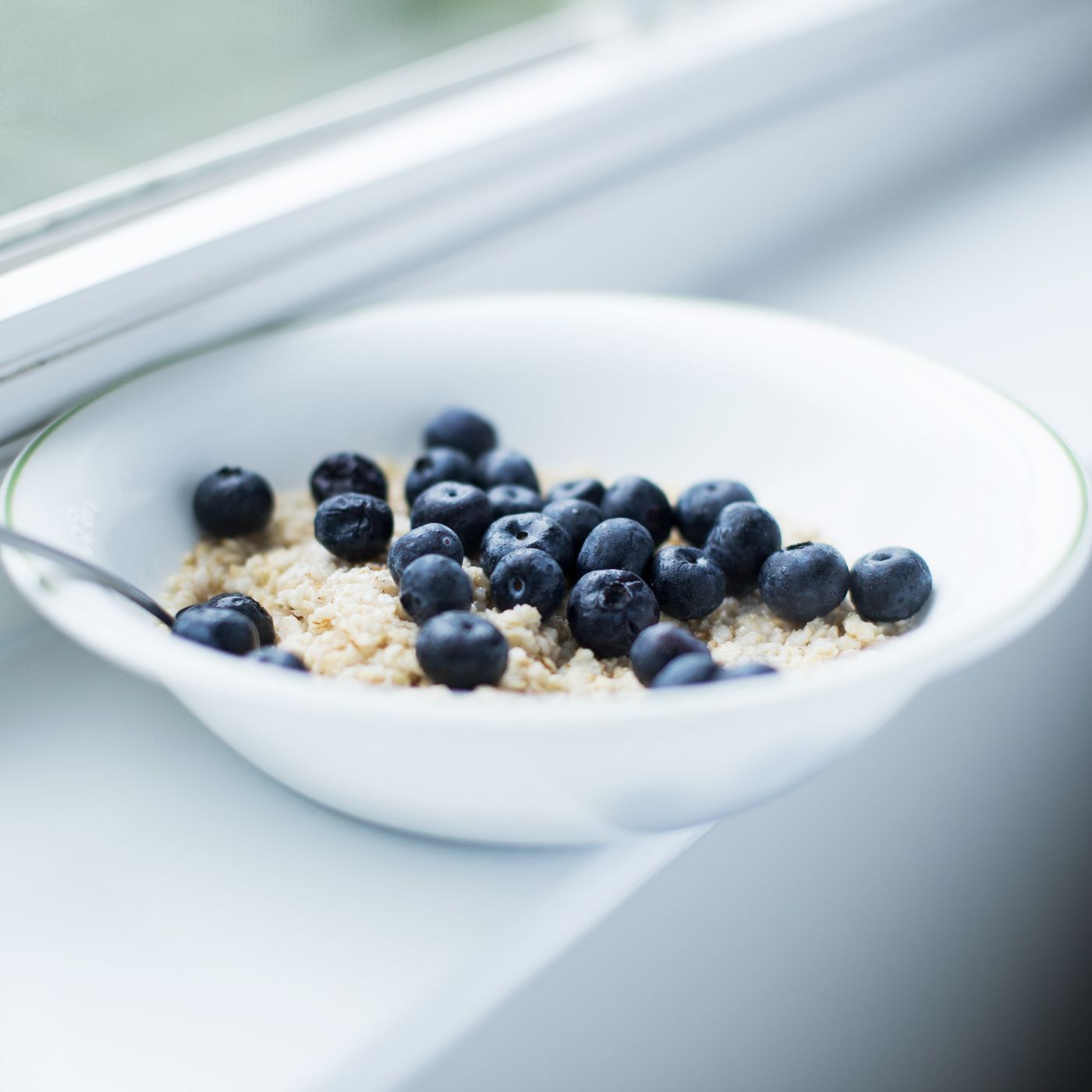
Let's talk about some common, nutrient-dense and genuinely tasty high-fiber foods you can work into an ordinary week.
How much fiber are you actually supposed to eat?
The Adequate Intake set by the Institute of Medicine is 38 grams a day for men and 25 for women, for adults aged 19 to 50.1 After 50 those drop to 30 and 21, since we tend to eat less overall.1
The average American manages around 15 grams.2 So most of us are somewhere between ten and twenty-three grams short, every day, more or less permanently.
About the percentages below
We show each food as a share of those Adequate Intakes — 25 g for women, 38 g for men.
Note that this is not the same as the "% Daily Value" on a nutrition label. The FDA's Daily Value for fiber is 28 grams for everyone, regardless of sex.3
Here are ten high-fiber foods, all readily available. While you shop, try thinking of your cart like a plate — about half fruits and vegetables, roughly a quarter whole grains. Then make a few swaps this week.
Every figure below comes from USDA FoodData Central,4 recalculated for the serving sizes shown.
The ten
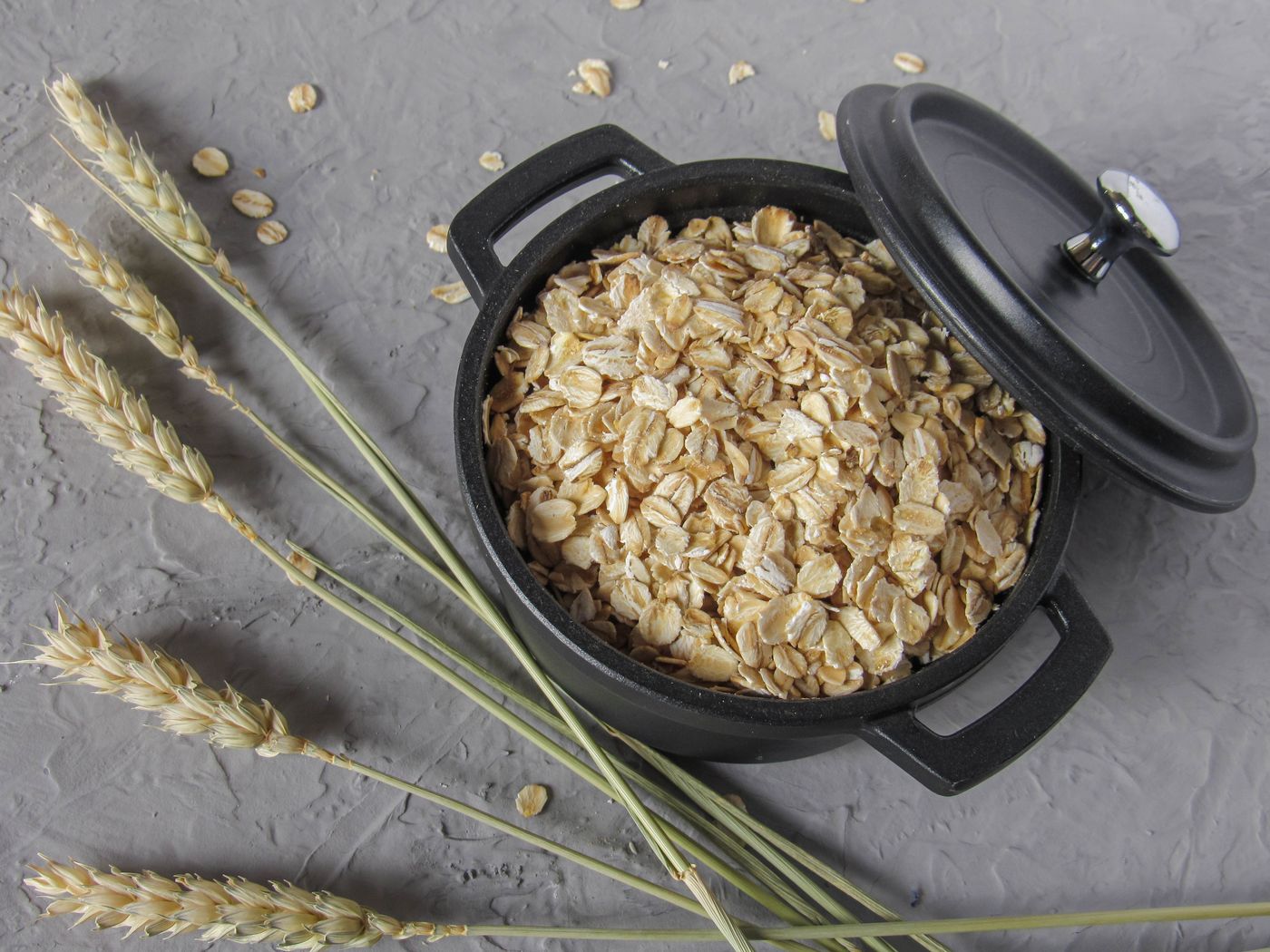
1. Oats
4 g fiber½ cup dry (40 g)16% of a woman's target11% of a man's
Start the day with something that sticks to your ribs. Half a cup of dry oats cooks up into a full cup — no instant sachets required.
Combine ½ cup of old-fashioned rolled oats with 1 cup of water, microwave for 90 seconds, and flavor with peanut butter, maple syrup, berries or chocolate chips. Or turn them into our favorite granola.
Photo: Karyna Panchenko / https://www.pexels.com
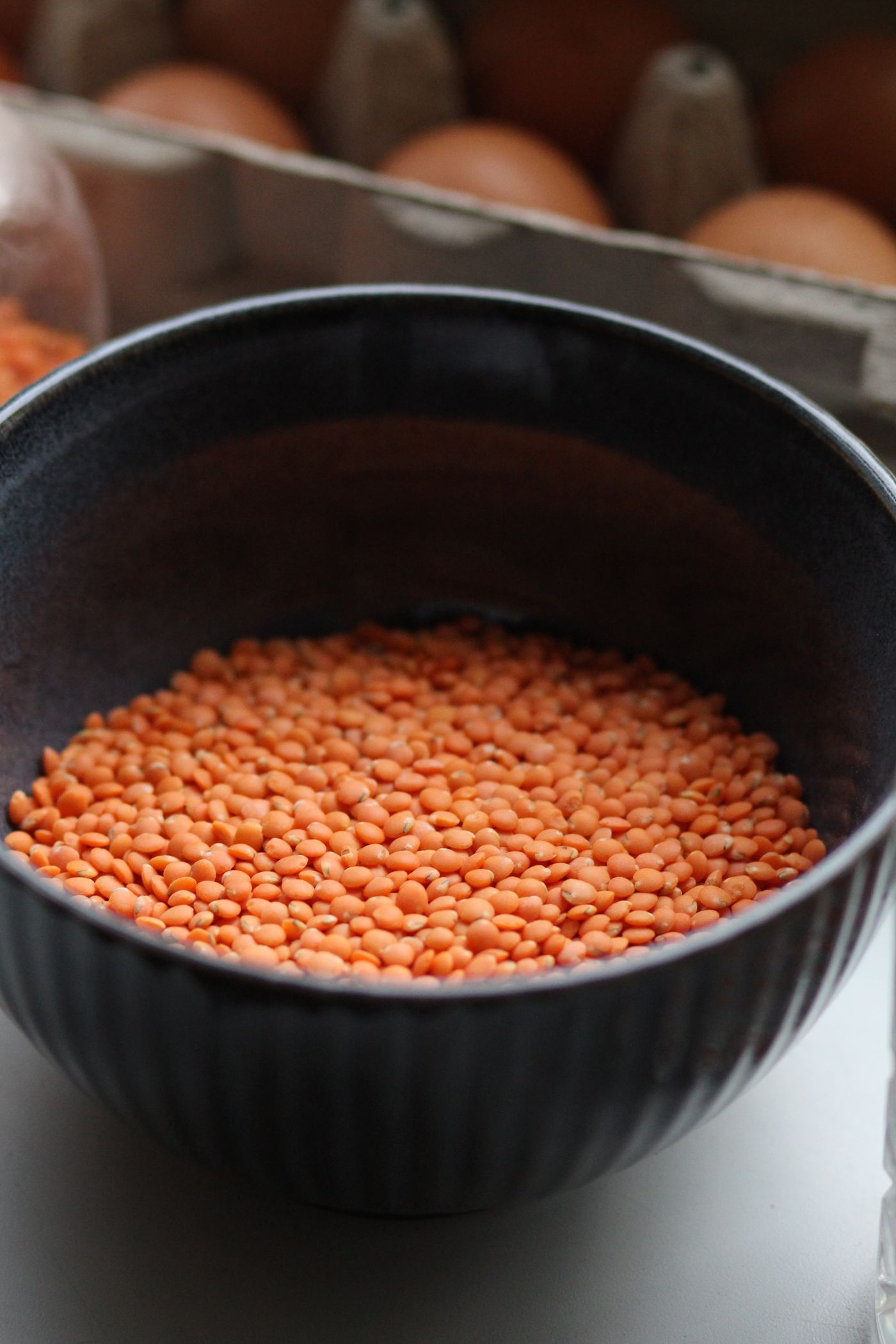
2. Lentils
5.1 g fiber¼ cup dry (48 g)20% of a woman's target13% of a man's
These utility legumes turn up in cuisines all over the world, and they're quick — a quarter cup dry makes just over half a cup cooked, fast enough for a weeknight.
Stretching ground beef with lentils in tacos adds fiber and cuts the grocery bill at the same time. There's a lentil for every texture you might want.
Photo: Katana / https://www.pexels.com
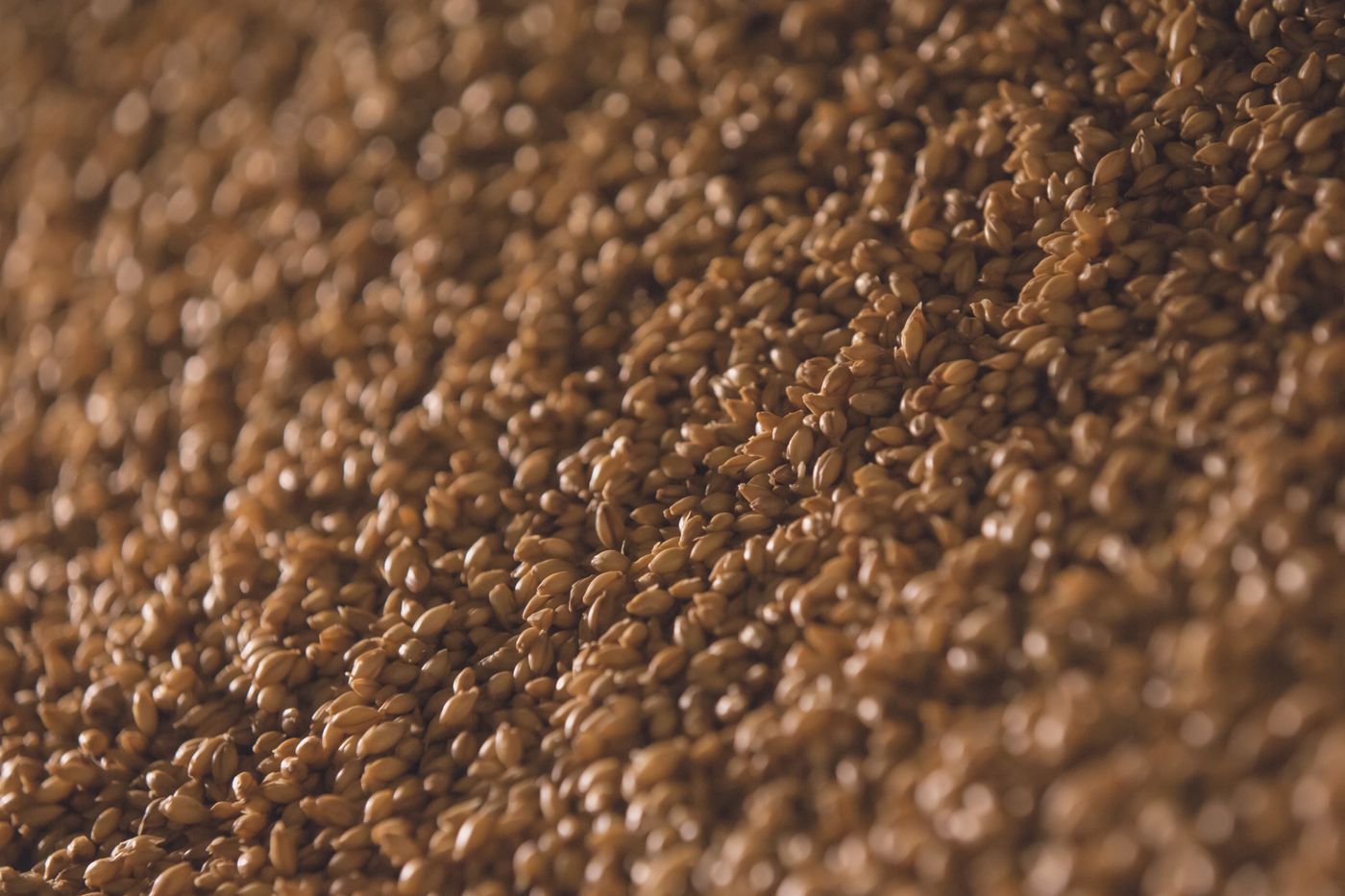
3. Flaxseed
2.8 g fiber1 Tbsp whole seed (10 g)11% of a woman's target7% of a man's
One tablespoon of whole flaxseed brings 2.8 g of fiber along with its omega-3 fatty acids.
A detail most sources miss: grinding changes the number. A tablespoon of ground flax weighs only about 7 g rather than 10, because it's fluffier — so you get roughly 1.6 g of fiber from the same spoon. Grinding is still worth doing, since whole seeds tend to pass through intact. Just measure by weight if the exact figure matters to you.
Photo: 42 North / https://www.pexels.com
4. Popcorn
3.5 g fiber2 Tbsp kernels (24 g), about 4 cups popped14% of a woman's target9% of a man's
A family favorite that's genuinely a whole grain. Two tablespoons of kernels pops up into three or four cups.
USDA puts air-popped popcorn at 14.5 g per 100 g, and two tablespoons of kernels is about 24 g. So roughly 3.5 g. Still a good snack. Top with coconut oil and sea salt.
Photo: icon0 com / https://www.pexels.com

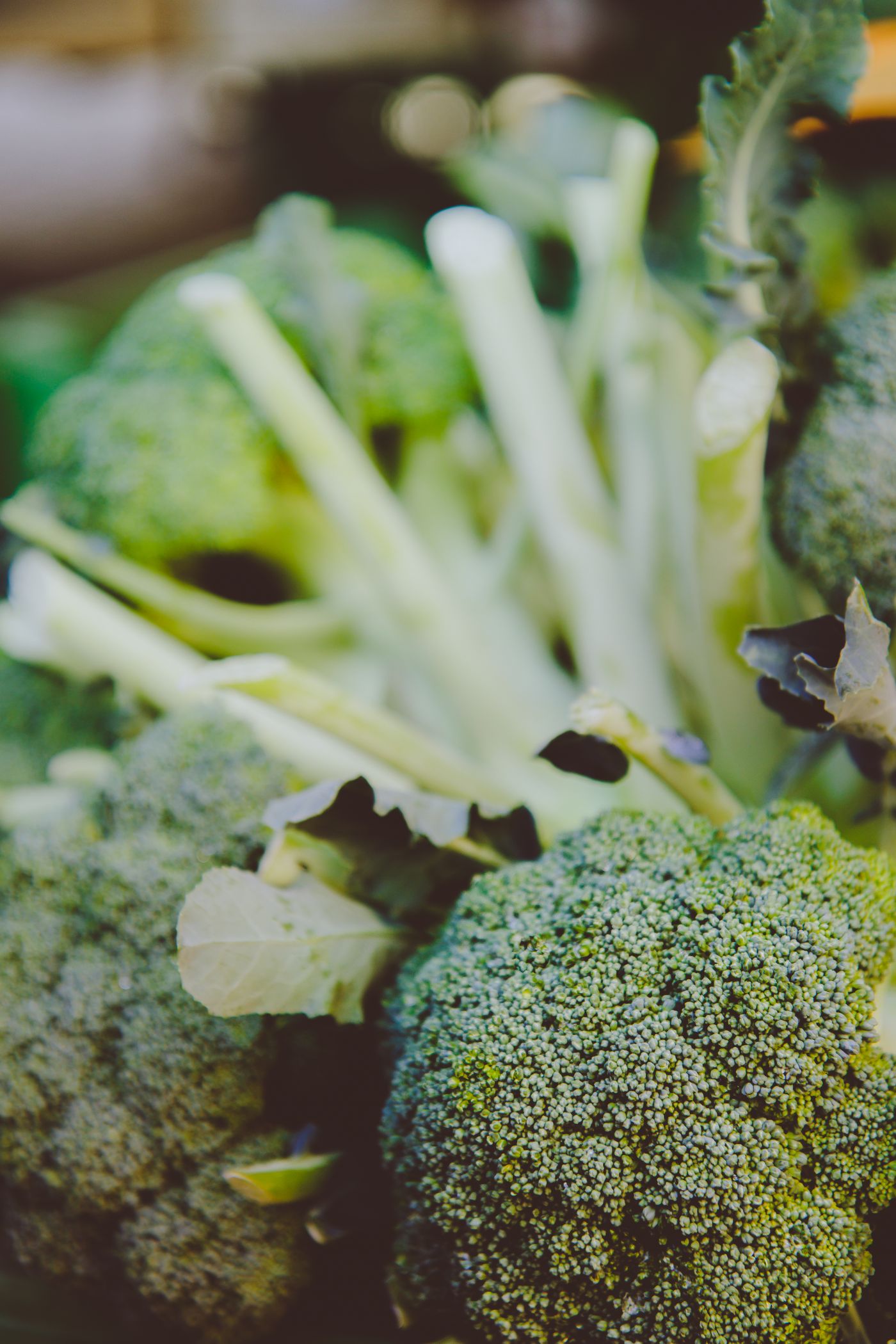
5. Broccoli
5.1 g fiber1 cup cooked (156 g)20% of a woman's target13% of a man's
One cup of this cruciferous workhorse brings 5 g and a long list of other benefits. Roasted, steamed or raw, it finds its way onto most tables without much argument.
Note the serving is cooked. A cup of raw chopped broccoli is lighter and gives closer to 2.4 g — same vegetable, less of it in the cup.
Photo: Rubyand Lion / https://www.pexels.com
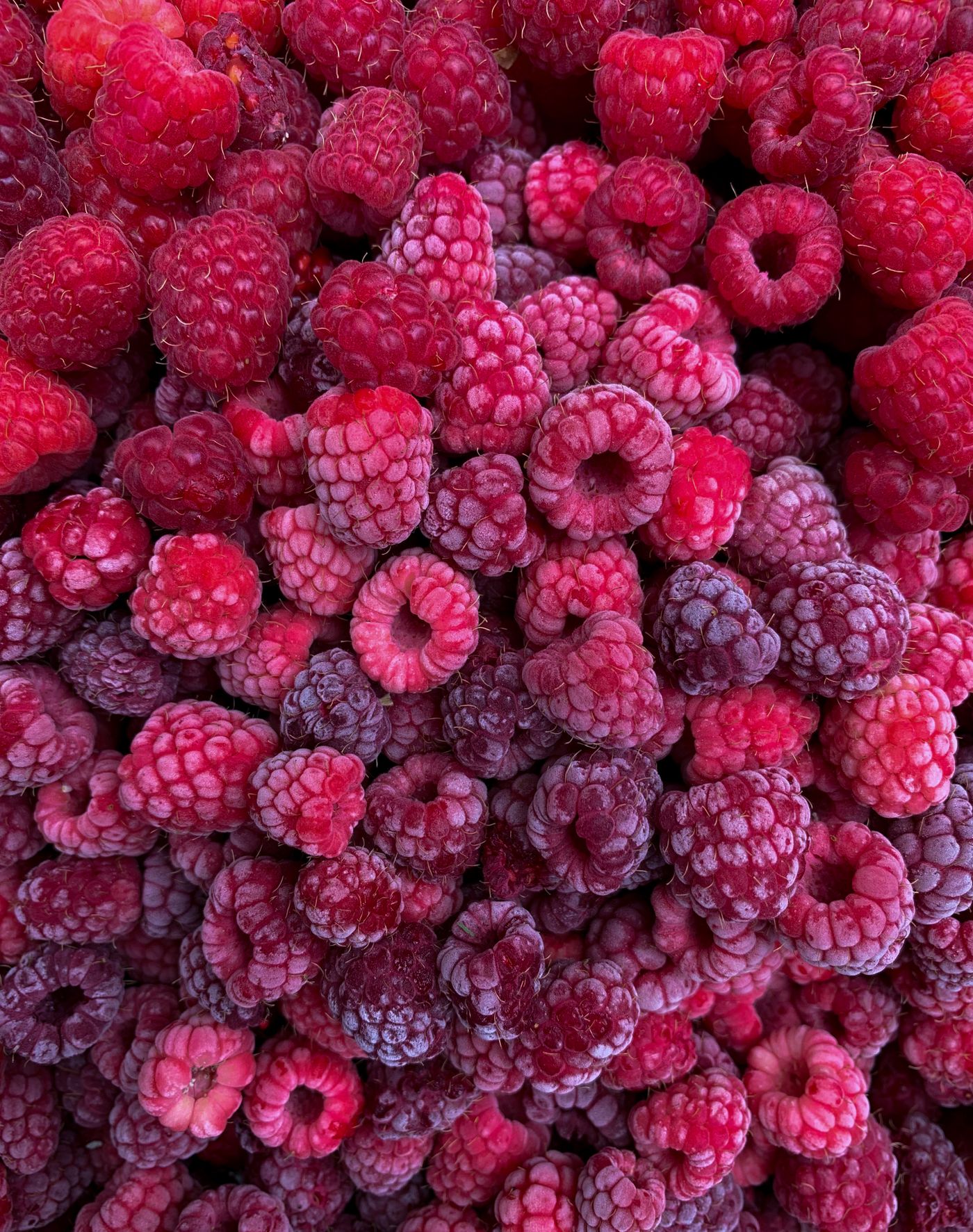
6. Raspberries
8 g fiber1 cup (123 g)32% of a woman's target21% of a man's
Eight grams in a single cup. That makes raspberries the highest-fiber item on this entire list, which surprised us too.
Sweet, tart, and oh-so-snackable.
Photo: Reality / https://www.pexels.com
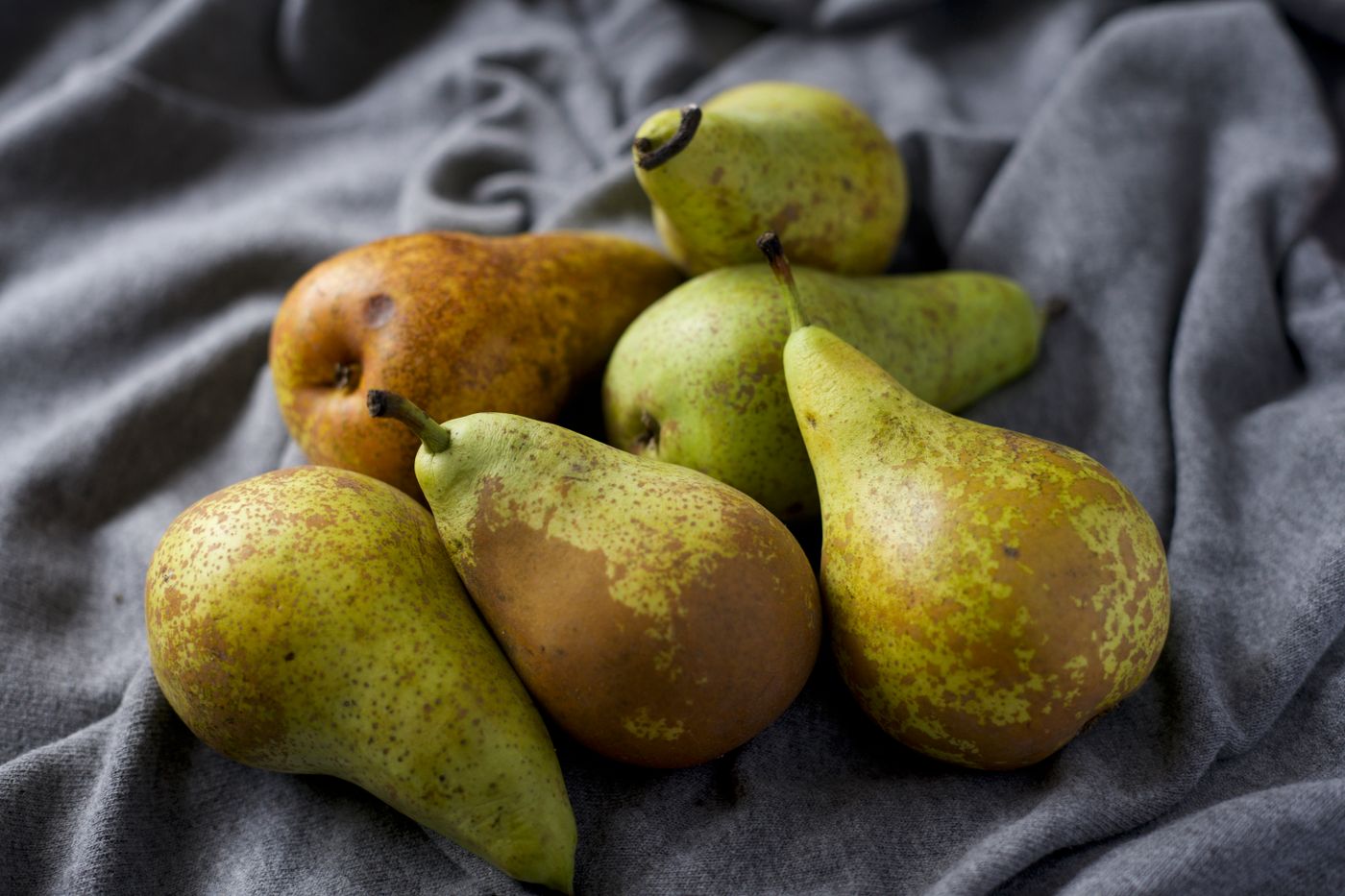
7. Pear
5.5 g fiber1 medium (178 g)22% of a woman's target14% of a man's
One medium Bartlett gives you and your microbiome 5.5 g, and pears of every variety are well stocked.
Most of that fiber lives in the skin, so leave it on. Peeling a pear is throwing away the reason you bought it.
Photo: Denis Liendo / https://www.pexels.com
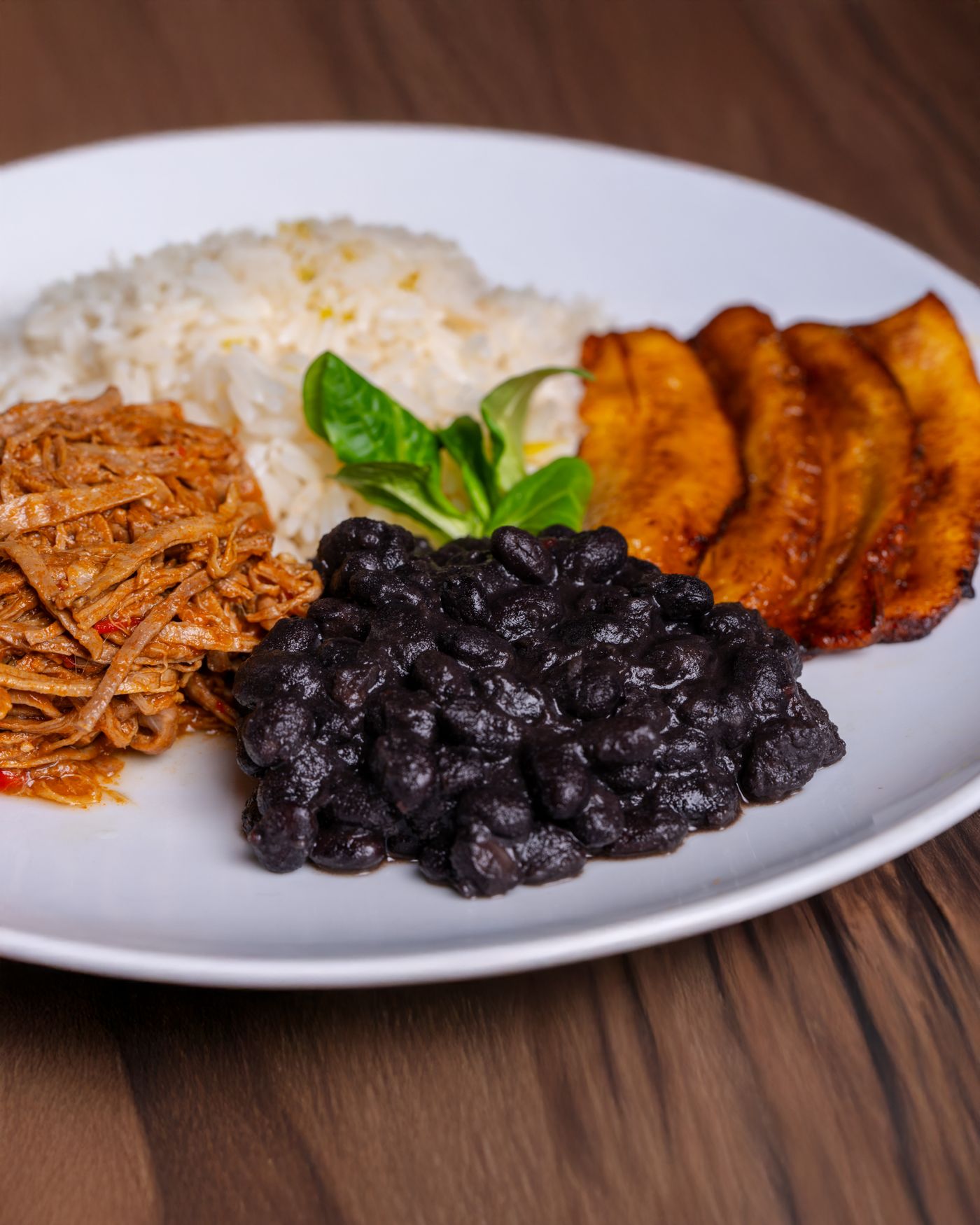
8. Black beans
7.5 g fiber½ cup cooked (86 g)30% of a woman's target20% of a man's
Buy them dry and cook them yourself, or open a can — either way this musical fruit brings 7.5 g in half a cooked cup.
USDA says 8.7 g per 100 g, which puts half a cup at 7.5 — beans are second only to raspberries here.
Photo: Nano Erdozain / https://www.pexels.com
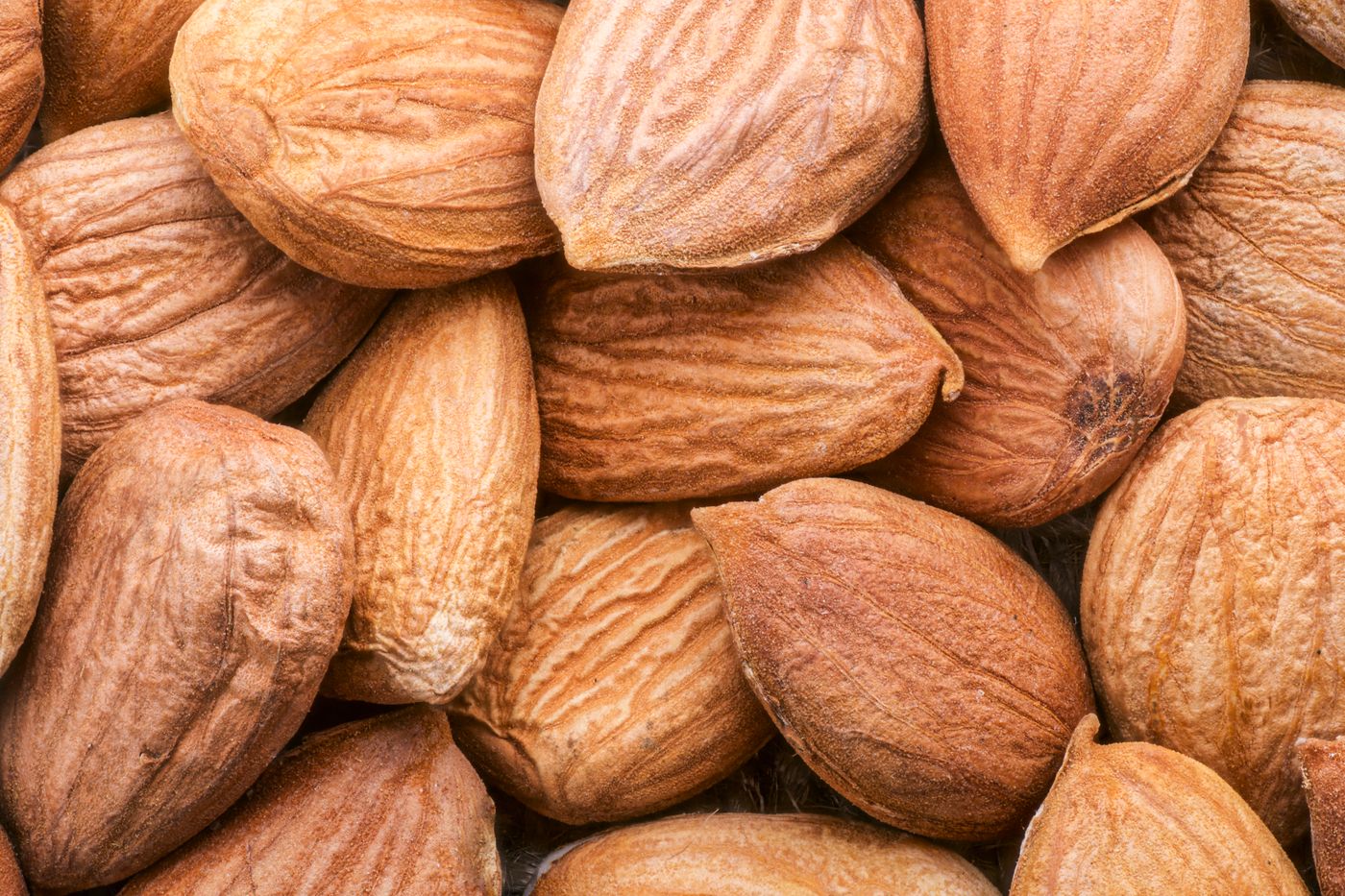
9. Almonds
3.5 g fiber1 oz (28 g)14% of a woman's target9% of a man's
Heart-healthy and gut-friendly, with 3.5 g in a single ounce — about 23 nuts.
Easy to overshoot, though. An ounce is a small handful, not a bowl on the coffee table.
Photo: Максим Вышарь / https://www.pexels.com
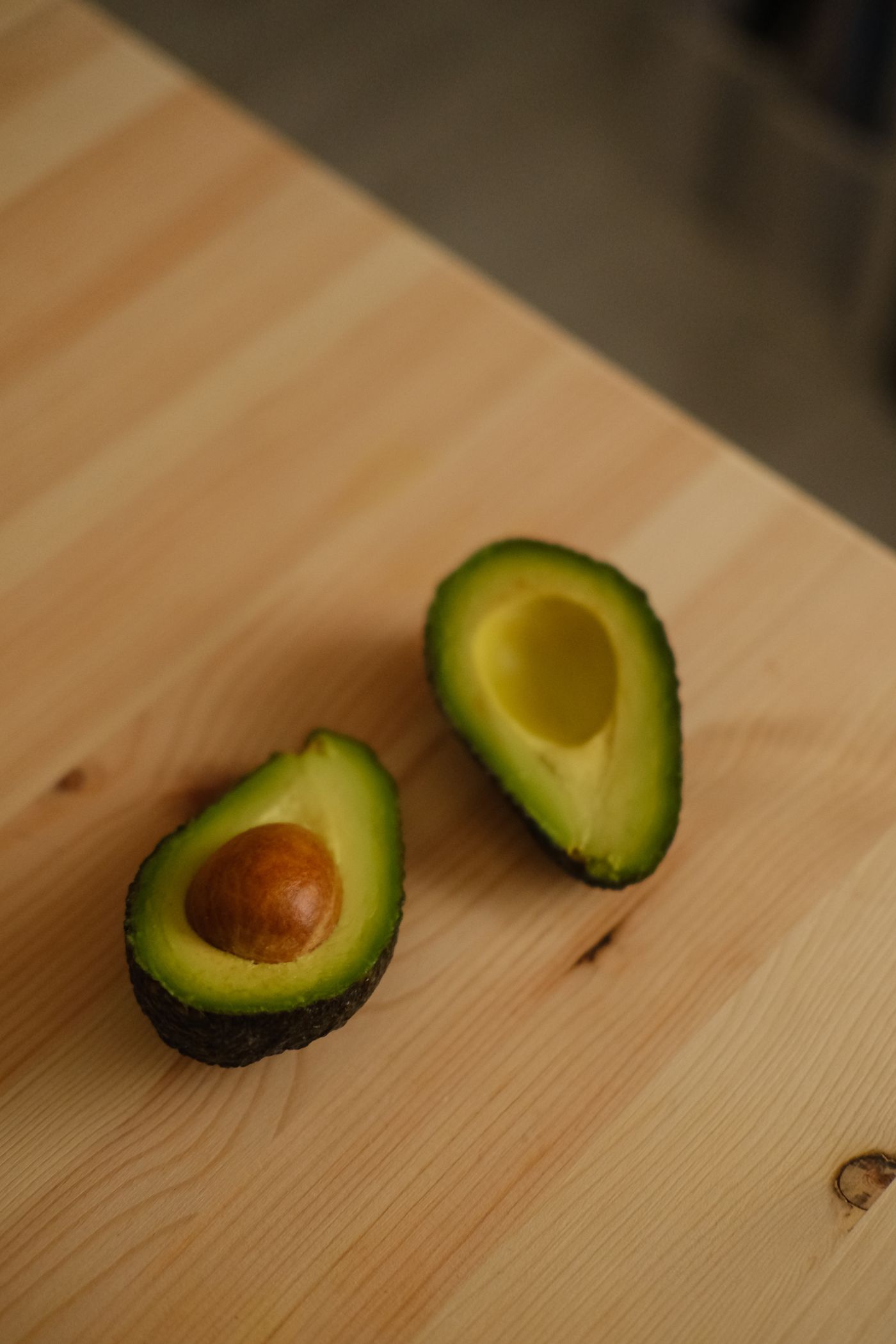
10. Avocado
3.4 g fiber⅓ medium (50 g)14% of a woman's target9% of a man's
A bit of a surprise on a fiber list, this savoury fruit brings 3.4 g per serving, alongside monounsaturated fats and close to twenty vitamins and minerals.
The catch is the serving size: one third of a medium avocado. Eat the whole thing and you've had about 10 g of fiber — and rather more calories than you may have budgeted for.
Photo: Beyzaa Yurtkuran / https://www.pexels.com
How do they stack up against each other?
Ranked by fiber per serving, highest first.
| Food | Serving | Fiber | % women's target | % men's target |
|---|---|---|---|---|
| Raspberries | 1 cup (123 g) | 8 g | 32% | 21% |
| Black beans | ½ cup cooked (86 g) | 7.5 g | 30% | 20% |
| Pear | 1 medium (178 g) | 5.5 g | 22% | 14% |
| Lentils | ¼ cup dry (48 g) | 5.1 g | 20% | 13% |
| Broccoli | 1 cup cooked (156 g) | 5.1 g | 20% | 13% |
| Oats | ½ cup dry (40 g) | 4 g | 16% | 11% |
| Popcorn | 2 Tbsp kernels (24 g), about 4 cups popped | 3.5 g | 14% | 9% |
| Almonds | 1 oz (28 g) | 3.5 g | 14% | 9% |
| Avocado | ⅓ medium (50 g) | 3.4 g | 14% | 9% |
| Flaxseed | 1 Tbsp whole seed (10 g) | 2.8 g | 11% | 7% |
Two things jump out. Raspberries and black beans are doing most of the heavy lifting, and popcorn sits near the bottom rather than the top.
Don't see your favorite on the list? You can look up almost anything with this nutrition calculator and see how it fuels you and your native gut bacteria.
Why does your gut care so much about fiber?
Because you can't digest it, and that's the point. Fiber reaches the colon largely intact, where your resident bacteria ferment it — and the short-chain fatty acids they produce in return feed the cells lining your colon directly.2
It's the closest thing on your plate to feeding the gut lining itself. We go into the mechanics properly in All About Fiber.
Go up gradually, and drink water
Jumping from 15 grams to 38 overnight is a reliable way to feel dreadful. Increase over a couple of weeks and increase your fluids alongside it — fiber needs water to do its job comfortably.2
Where does Flourish fit?
Alongside the food, not instead of it. Flourish Original and Flourish Junior are living liquid probiotics — eleven strains from five families — taken daily to support digestive and microbiome health. Fiber feeds the bacteria you already have; a probiotic is a different input doing a different job.
Flourish is a dietary supplement made to support digestive and microbiome health. It isn't a treatment for any condition. If you're managing a diagnosed digestive condition, talk to your provider before making a large change to your fiber intake.

Ready to try a living probiotic?
Eleven living strains. One daily shot. For the whole family.
Shop Flourish Original · Shop Flourish Junior · Why we keep it liquid
A few questions we hear a lot
Which of these has the most fiber?
Raspberries, at 8 g a cup, just ahead of black beans at 7.5 g per half cup cooked.4 Both beat everything else on the list comfortably.
Why is the men's target higher than the women's?
The Adequate Intakes are set at 14 grams per 1,000 calories, and men are assumed to eat more calories.1 It's a scaling factor rather than a statement about anyone's gut.
Is the "% Daily Value" on my cereal box the same thing?
No. Label percentages use the FDA Daily Value of 28 grams, which applies to everyone.3 The percentages here use the Institute of Medicine's 25 and 38. Two different systems, both legitimate, easy to confuse.
Does cooking change the fiber?
Not much in absolute terms, but serving sizes shift a lot. A cup of cooked broccoli weighs far more than a cup of raw florets, which is why it carries roughly double the fiber.4 Always check what the serving actually weighs.
Should I grind my flaxseed?
Yes — whole seeds often pass through undigested. Just know that a tablespoon of ground flax holds less seed than a tablespoon of whole, so the fiber per spoon drops from about 2.8 g to roughly 1.6 g.4
Can I just take a fiber supplement instead?
You can, and for some people it helps. But whole foods bring the rest of the package — the vitamins, the minerals, the fats in the avocado and almonds — that an isolated fiber powder doesn't. Food first, supplement second.
About this article
Written by: Lorilyn Van Dyke, Entegro Health | Originally published: February 2021
All fiber values recalculated from USDA FoodData Central for this revision.
Important information
This article is for general education and isn't a substitute for professional medical or dietary advice. Nutrient values vary with variety, ripeness, growing conditions and preparation; treat the figures here as good estimates rather than exact measurements. Always seek the advice of your physician or a registered dietitian with questions about your diet, and before starting a new supplement. These statements have not been evaluated by the Food and Drug Administration. This product is not intended to diagnose, treat, cure, or prevent any disease.
Sources
- Institute of Medicine (2005). Dietary Reference Intakes for Energy, Carbohydrate, Fiber, Fat, Fatty Acids, Cholesterol, Protein, and Amino Acids — Adequate Intake for total fiber, set at 14 g per 1,000 kcal. Source
- Quagliani, D., & Felt-Gunderson, P. (2017). Closing America's Fiber Intake Gap. American Journal of Lifestyle Medicine, 11(1), 80–85. Source
- 21 CFR 101.9 — Nutrition labeling of food. The Reference Daily Intake used for the % Daily Value of dietary fiber is 28 g. Electronic Code of Federal Regulations. Source
- U.S. Department of Agriculture, Agricultural Research Service. FoodData Central (SR Legacy). All fiber values in this article derived from per-100 g figures and converted to the serving sizes shown. Source