Gut-Mouth Connection
Your mouth is the headwaters of the river that is your GI tract. What lives up there doesn't always stay up there — which is why your dentist and your gut have more to say to each other than either lets on.
The gut is a well-connected organ and a key player in the GI tract. So let's look at the two ends of it — the very top and the far end — and the conversation running between them.
Where did we first find these bacteria?
In someone's teeth, as it happens.
In 1683, Antonie van Leeuwenhoek scraped the plaque off his own teeth, put it under a lens and became the first person to see bacteria. He described several different shapes, all of them, in his words, very prettily a-moving.1
He didn't invent the microscope
Compound microscopes existed decades earlier — the Janssens had one around 1590, and Robert Hooke published Micrographia in 1665.1
What Leeuwenhoek did was arguably better. He ground tiny single glass beads into lenses that outperformed every compound instrument of his day, because using one lens instead of several removed most of the optical distortion.1 He beat the fancy equipment with one very good bead of glass, and then looked at his own teeth with it.
That plaque sits at the top of the GI tract. And it turns out it isn't so prettily a-helping further down the line.
Why would the mouth and the gut be talking at all?
Because digestion starts in the mouth, and so does everything you swallow.
As we've covered previously, digestion begins immediately with the physical crushing and grinding of food. Chemical digestion starts here too, via enzymes in saliva. Given that, a connection between the two ends is less surprising than it first sounds.
And there's a lot of saliva. Most adults produce somewhere between half a litre and a litre and a half a day — roughly two to six cups.2 All of it heading downstream.
Does the mouth have its own microbiome?
It does, and it's the second biggest one you've got — only the gut carries more bacteria.3
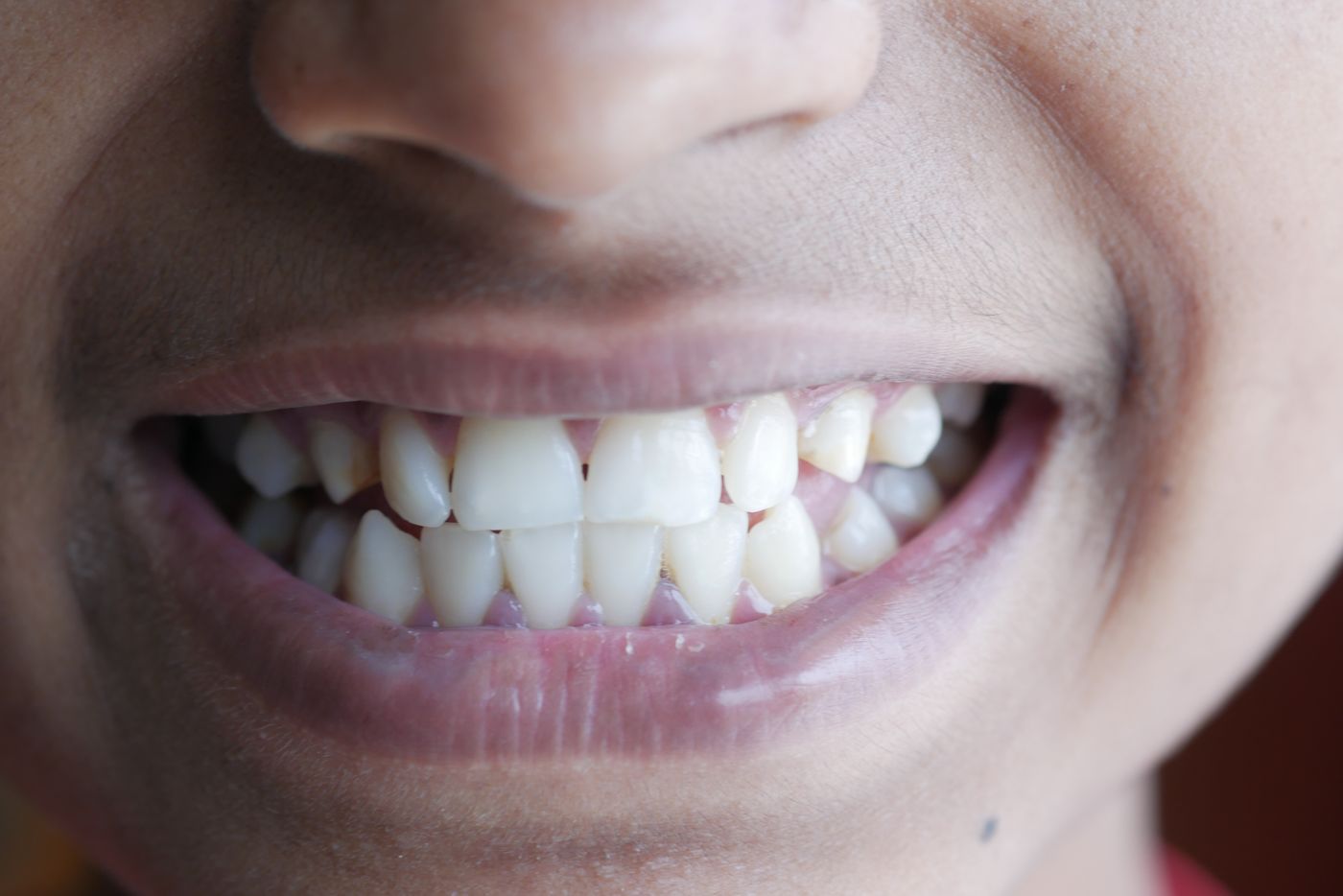
These little mouth dwellers even settle in different neighbourhoods. Some prefer the great plains of the tongue. Others go cave-dwelling in the teeth. A few opt for the high life on the soft palate. And unlike the gut microbiome, the oral one is comparatively stable — fewer dramatic highs and lows.3,4
You swallow these bacteria constantly, and most are killed off by stomach acid. Remember, they're adapted to the cushy life up top, not the pH of a stomach. But some are acid-tolerant enough to survive the trip.
Which ones survive the journey?
The one that gets the most attention is Porphyromonas gingivalis.
Gum disease and cavities are not the same thing
Cavities — dental caries — are largely the work of Streptococcus mutans, which ferments sugars into acid that dissolves enamel.5
Periodontal disease is gum disease: inflammation of the tissue and bone that hold your teeth in place. P. gingivalis is what researchers call its keystone pathogen — present in small numbers, but capable of tipping the whole oral community into a destructive, inflammatory state.6
So what happens when a keystone pathogen goes downstream? Reviews of the field suggest swallowed oral bacteria can reach the gut and shift the community there, and that this may feed into inflammation elsewhere in the body.7
Worth being straight about the strength of that, though. Much of the mechanistic work is in mice, and the human data is largely associative — mouths and guts in poor shape tend to keep company, which isn't the same as one causing the other.7 It's a well-supported line of investigation rather than a settled chain of events.
The practical upshot doesn't change: looking after your mouth is not a separate project from looking after your gut.
What do dentists actually want you to do?
Three things. They've been saying them for decades, and they're still the answer.
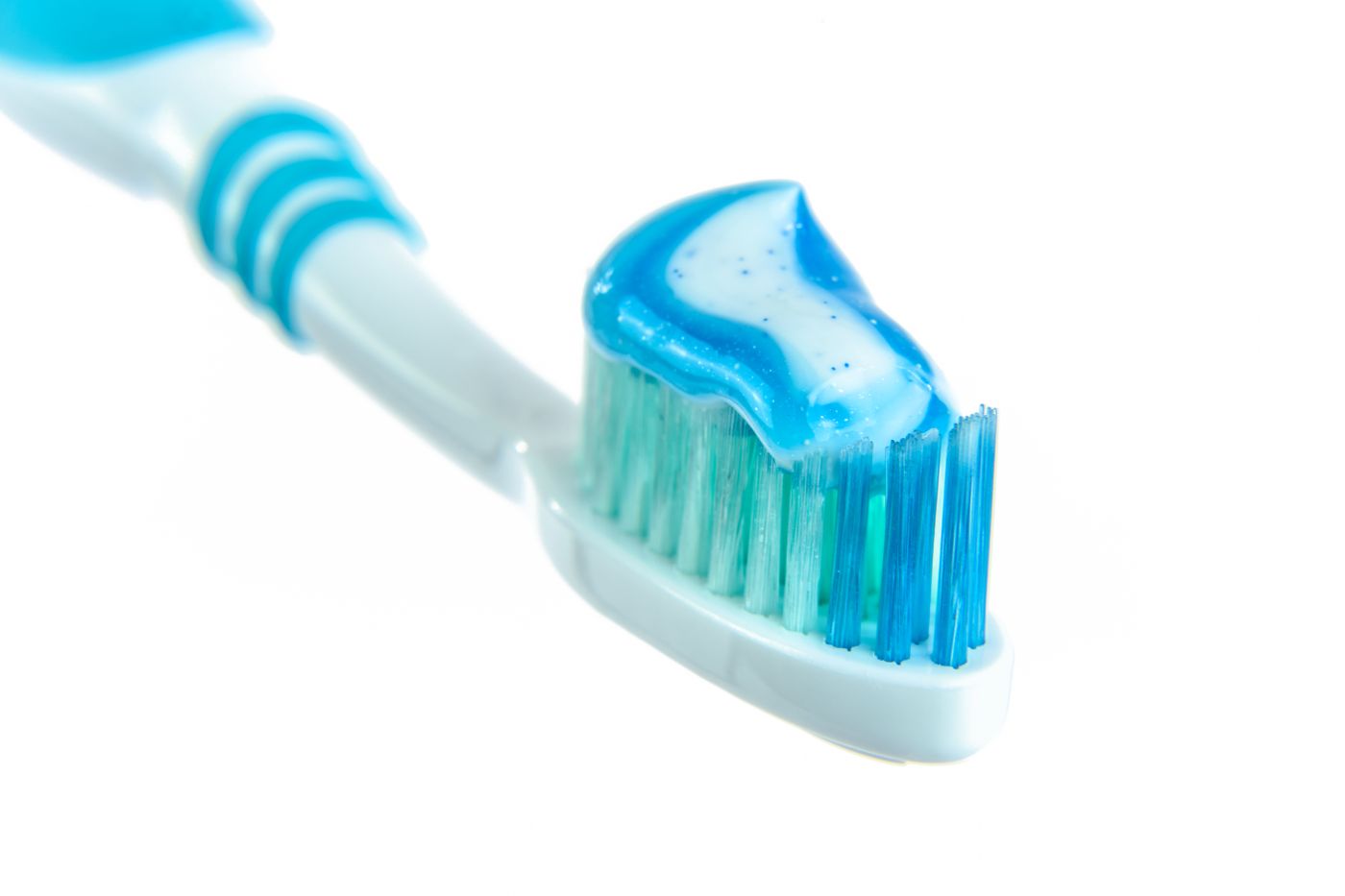
1. Brush
Twice a day, two minutes each time, with a fluoride toothpaste. Aim the bristles at the line where teeth and gums meet, and work in small circles.8 That gum line is precisely where periodontal trouble starts, which is why the angle matters more than the effort.
Photo: AS Photography / https://www.pexels.com
2. Floss
Remember the cave dwellers? Those squatters are not easily reached by a toothbrush bristle and need gentle removal — traditional floss, or the pre-threaded flossers if those are what you'll actually use.8
If it isn't a habit that comes naturally, try it in the evening rather than fighting the morning rush.
Photo: RDNE Stock project / https://www.pexels.com

3. See your dentist regularly
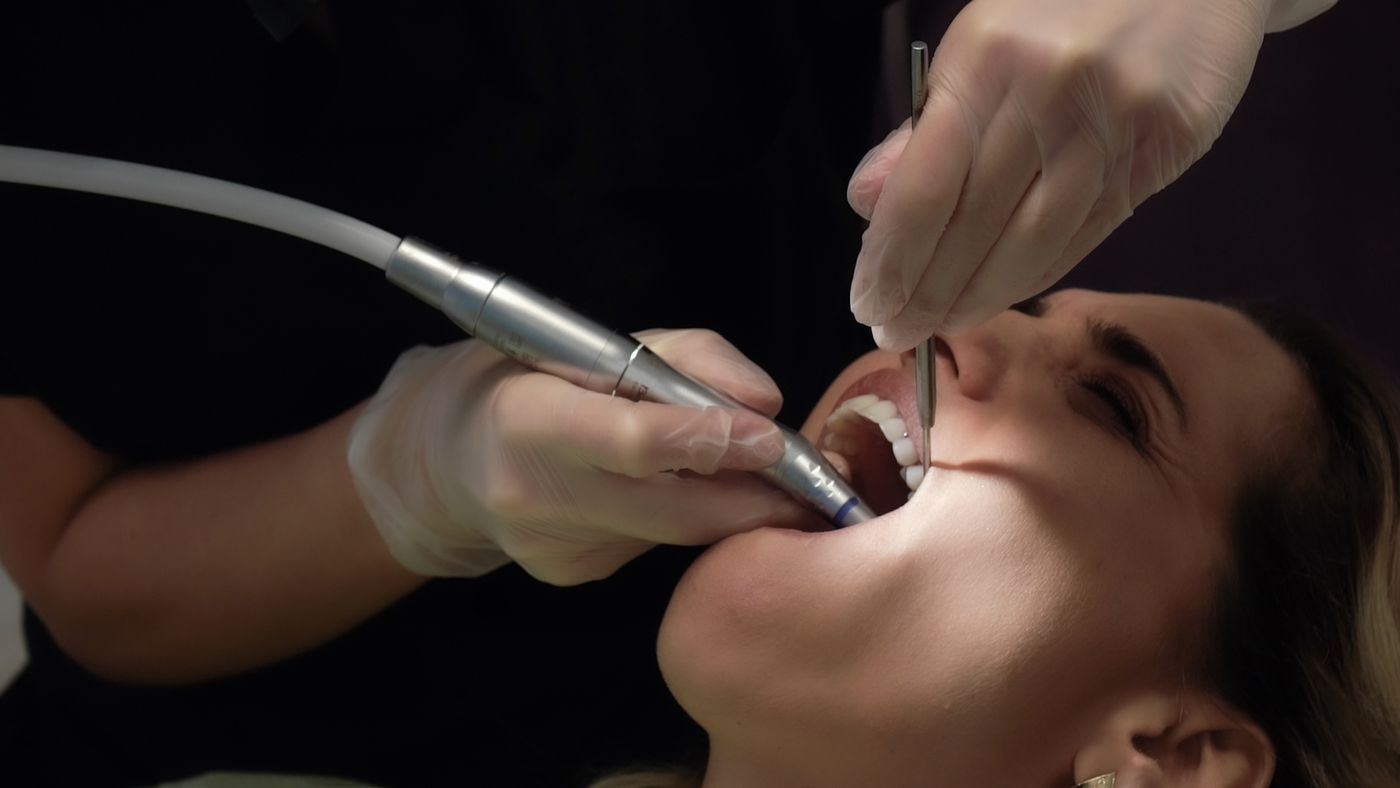
Plaque that isn't removed hardens into tartar, and tartar doesn't come off with brushing and flossing — it needs a professional. Clearing it makes everything you do at home work better.8
The other half of that appointment is surveillance: someone who sees your mouth twice a year notices the slow changes you won't.
Photo: Hikmet Toprak / https://www.pexels.com
So where does Flourish come into this?

Let's be careful here, because this is a topic where it would be easy to overreach.
The dental habits above are the oral health advice. Brushing, flossing and regular checkups are what protect your teeth and gums. A probiotic is not a substitute for any of them, and we're not suggesting Flourish treats or prevents gum disease.
What we will say is the ordinary thing. Flourish Original and Flourish Junior are living liquid probiotics — eleven strains from five families, small-batch fermented in Iowa — taken daily to support digestive and microbiome health. That's the gut end of the river, and it sits alongside dental care rather than doing its job.
There's also a plainly mechanical connection worth noting: healthy teeth and gums let you chew properly, and chewing properly is where good digestion starts. A mouth in trouble makes for a harder job further down the line. That's not a claim about bacteria — it's just how eating works.
Flourish is a dietary supplement made to support digestive and microbiome health. It isn't a treatment for periodontal disease, dental caries or any other condition. For oral health concerns, see your dentist. Check with your doctor before starting a new supplement.

Ready to try a living probiotic?
Eleven living strains. One daily shot. Your gut and your smile will thank you — for slightly different reasons.
Shop Flourish Original · Shop Flourish Junior · Why we keep it liquid
A few questions we hear a lot
Is periodontal disease the same as cavities?
No. Cavities are decay in the tooth itself, driven largely by Streptococcus mutans turning sugar into enamel-dissolving acid.5 Periodontal disease is inflammation of the gums and the bone holding your teeth, with P. gingivalis as its keystone pathogen.6 Different diseases, different bacteria.
Can bacteria from my mouth really end up in my gut?
Some can. Most swallowed oral bacteria are killed by stomach acid, but acid-tolerant species survive, and reviews suggest they can shift the gut community once they arrive.7 How much that matters in humans is still being worked out.
Which microbiome is bigger, the mouth or the gut?
The gut, comfortably. The mouth is second — the most populous and diverse microbial community in the body after the digestive tract.3
Why is the oral microbiome more stable than the gut's?
It's less exposed to the things that swing gut populations around — the full volume of what you eat, the pH extremes, and the long transit through the intestines. The mouth sees food briefly and is continually rinsed by saliva.3,4
How much saliva do I actually make?
Roughly 0.5 to 1.5 litres a day, which is about two to six cups.2 Production drops sharply during sleep, which is the reason morning breath exists.
Will taking a probiotic improve my gum health?
We're not claiming that. Brushing, flossing and regular dental visits are what protect gums. Flourish is a daily supplement for digestive and microbiome health — a different job.
About this article
Written by: Lorilyn Van Dyke, Entegro Health | Originally published: February 2021
Important information
This article is for general education and isn't a substitute for professional medical or dental advice, diagnosis, or treatment. Always seek the advice of your physician, dentist or another qualified provider with any questions regarding a medical or oral health condition, and before starting a new supplement. These statements have not been evaluated by the Food and Drug Administration. This product is not intended to diagnose, treat, cure, or prevent any disease.
Sources
- Antonie van Leeuwenhoek and the dawn of microscopic observation — on his 1683 examination of dental plaque, and on single-lens instruments outperforming the compound microscopes of Hooke and the Janssens. Applied Microscopy. Source
- Cleveland Clinic. Saliva (Spit) — salivary glands produce about 0.5 to 1.5 litres, or 2 to 6.3 cups, per day in most adults. Source
- Deo, P. N., & Deshmukh, R. (2019). Oral microbiome: Unveiling the fundamentals. Journal of Oral and Maxillofacial Pathology, 23(1), 122–128. Source
- Lu, M., Xuan, S., & Wang, Z. (2019). Oral microbiota: A new view of body health. Food Science and Human Wellness, 8(1), 8–15. Source
- Lemos, J. A., Palmer, S. R., Zeng, L., et al. (2019). The Biology of Streptococcus mutans. Microbiology Spectrum, 7(1). Source
- Hajishengallis, G., Darveau, R. P., & Curtis, M. A. (2012). The keystone-pathogen hypothesis. Nature Reviews Microbiology, 10(10), 717–725. Source
- Olsen, I., & Yamazaki, K. (2019). Can oral bacteria affect the microbiome of the gut? Journal of Oral Microbiology, 11(1), 1586422. Source
- American Dental Association, MouthHealthy. Brushing and flossing guidance. Source