Do You Need Prebiotics When Taking Probiotics?
Short answer: probably not. The longer answer is more useful, and it starts with the inconvenient fact that both of these words have formal scientific definitions — and a lot of what gets sold under them does not meet either one.

Photo: Anna Shvets/ https://www.pexels.com
Probiotics and prebiotics get sold as a matched set, like a razor and its blades. Buy the bacteria, buy the thing that feeds the bacteria, and the two together will do more than either alone. It is a tidy story. It is also, as far as the published evidence goes, mostly untested — and in one specific group of people it runs the wrong way.
So let us do this properly, starting with what the words actually mean.
Two words, two definitions, both stricter than the marketing
Probiotic
The definition comes from a panel convened by the International Scientific Association for Probiotics and Prebiotics, and it is short enough to memorize: “live microorganisms which when administered in adequate amounts confer a health benefit on the host.”1
Two conditions are doing real work there. Adequate amounts — a token sprinkle of bacteria is not a probiotic. And confer a health benefit — being alive is not, on its own, enough. A jar of live microorganisms with no demonstrated benefit is a jar of live microorganisms.

Photo: makafood/ https://www.pexels.com
One more thing worth knowing, because most probiotic marketing quietly implies the opposite: swallowed probiotics are visitors, not settlers. A study that gave healthy adults an eleven-strain probiotic and then went and looked — by endoscopy, at the actual gut mucosa, rather than guessing from stool — found colonization was highly individual, and concluded that probiotics “induced a transient, individualized impact on mucosal community structure and gut transcriptome”2. Some people’s guts let the newcomers settle in. Others show what the authors called “colonization resistance” and simply shrug them off.
Prebiotic
Same organization, different panel, 2017. This one is worth reading twice:
“A substrate that is selectively utilized by host microorganisms conferring a health benefit.”3
And, from the same document: “The requirement for selective microbiota-mediated mechanisms was retained. Beneficial health effects must be documented for a substance to be considered a prebiotic.”3
The popular shorthand — prebiotics are food for your good bacteria — drops both of the clauses that matter. It drops selectively, which is what separates a prebiotic from any old fermentable carbohydrate. And it drops the documented health benefit, which is what separates a prebiotic from a thing that merely changes your stool bacteria. Plenty of fiber feeds gut bacteria without clearing that bar.
If anything the bar has since gone up. A 2025 follow-up from the same association set out to address, in its own words, “establishing that prebiotic-induced microbiota modulation causes the health outcome” and “when those microbial effects sufficiently satisfy selectivity requirements”4. Demonstrating a bacterial shift is no longer treated as sufficient. You have to show the shift is what produced the benefit.
A small regulatory fact almost nobody mentions
In the United States, “prebiotic” has no legal definition at all. The word does not appear anywhere in FDA’s food and supplement regulations. What is defined is dietary fiber, and that is the category inulin, oligofructose and galacto-oligosaccharides are actually regulated under on a US label5. So the only real discipline behind the word is the scientific definition above — which is exactly why it is worth knowing.
What probiotics do, and what nobody can promise you
Here is the single most important sentence in this whole article, and it applies to every probiotic on every shelf, ours included.
Probiotic effects are strain-specific. Evidence for one strain does not transfer to another.
This is not a technicality. The American Gastroenterological Association’s clinical practice guideline on probiotics states plainly that “within species, different strains can have widely different activities and biologic effects,” and that effects are likely “not only strain specific but also dose specific”6. A strain is the thing after the species name — Lacticaseibacillus rhamnosus GG, not just L. rhamnosus.
The accompanying technical review makes the practical consequence uncomfortably clear. Across the trials it assessed, the reviewers found that those studies “tested 44 different probiotic species/strains or combinations of species/strains; thus, for the majority of probiotics, the total body of evidence is derived from a single trial”7. The literature is wide and shallow, not deep.
Which means: when you see a general claim about “probiotics,” the honest reading is that some strain, somewhere, in some population, at some dose, showed something. Whether that has anything to do with the bottle in your hand is a separate question, and usually an unanswered one.
If you have a diagnosed digestive condition
Please talk to your clinician before adding any supplement, ours included. Probiotics are not a treatment for irritable bowel syndrome, inflammatory bowel disease, small intestinal bacterial overgrowth, or any other diagnosed condition, and we are not going to suggest otherwise. These conditions have real treatment pathways and real clinical guidelines8,9, and a supplement is not a substitute for either.
What actually counts as a prebiotic, and where you find it
The short established list is shorter than the marketing suggests. Inulin, fructo-oligosaccharides (FOS, also called oligofructose), and galacto-oligosaccharides (GOS) are the ones with the clearest claim to the name, with human milk oligosaccharides a more recent addition3. Everything else is somewhere on a spectrum from promising to wishful.
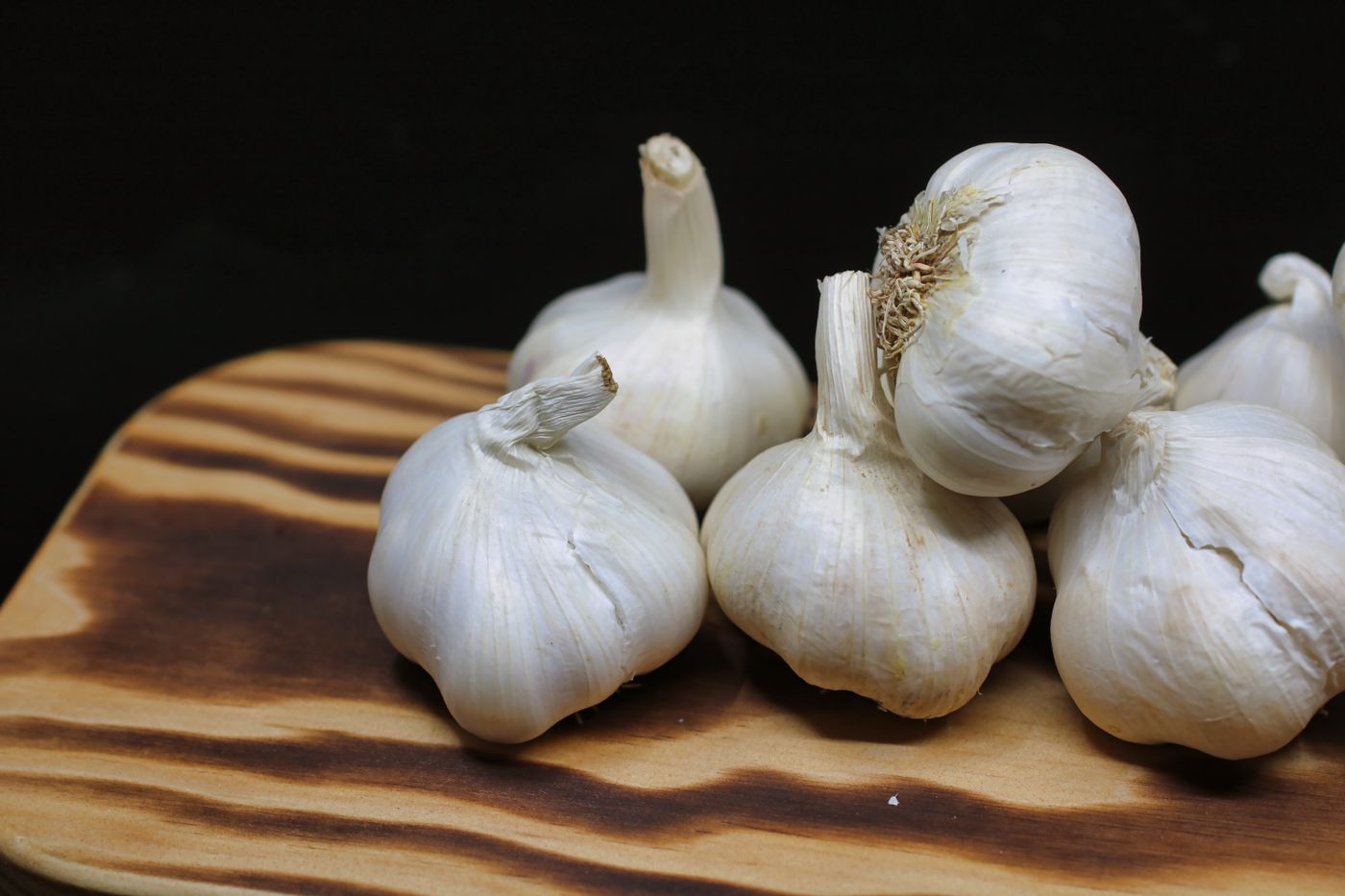
Photo: Nick Collins/ https://www.pexels.com
In food, the fructans — inulin and FOS — cluster in a fairly predictable group: chicory root, Jerusalem artichoke, garlic, onions, leeks, asparagus, and wheat. GOS turns up in legumes, and closely related compounds in beans, lentils and chickpeas. Slightly green bananas, cooked-and-cooled potatoes and rice, oats and barley bring resistant starch and beta-glucan to the party — genuinely useful fermentable fibers, though not all of them meet the formal prebiotic bar.
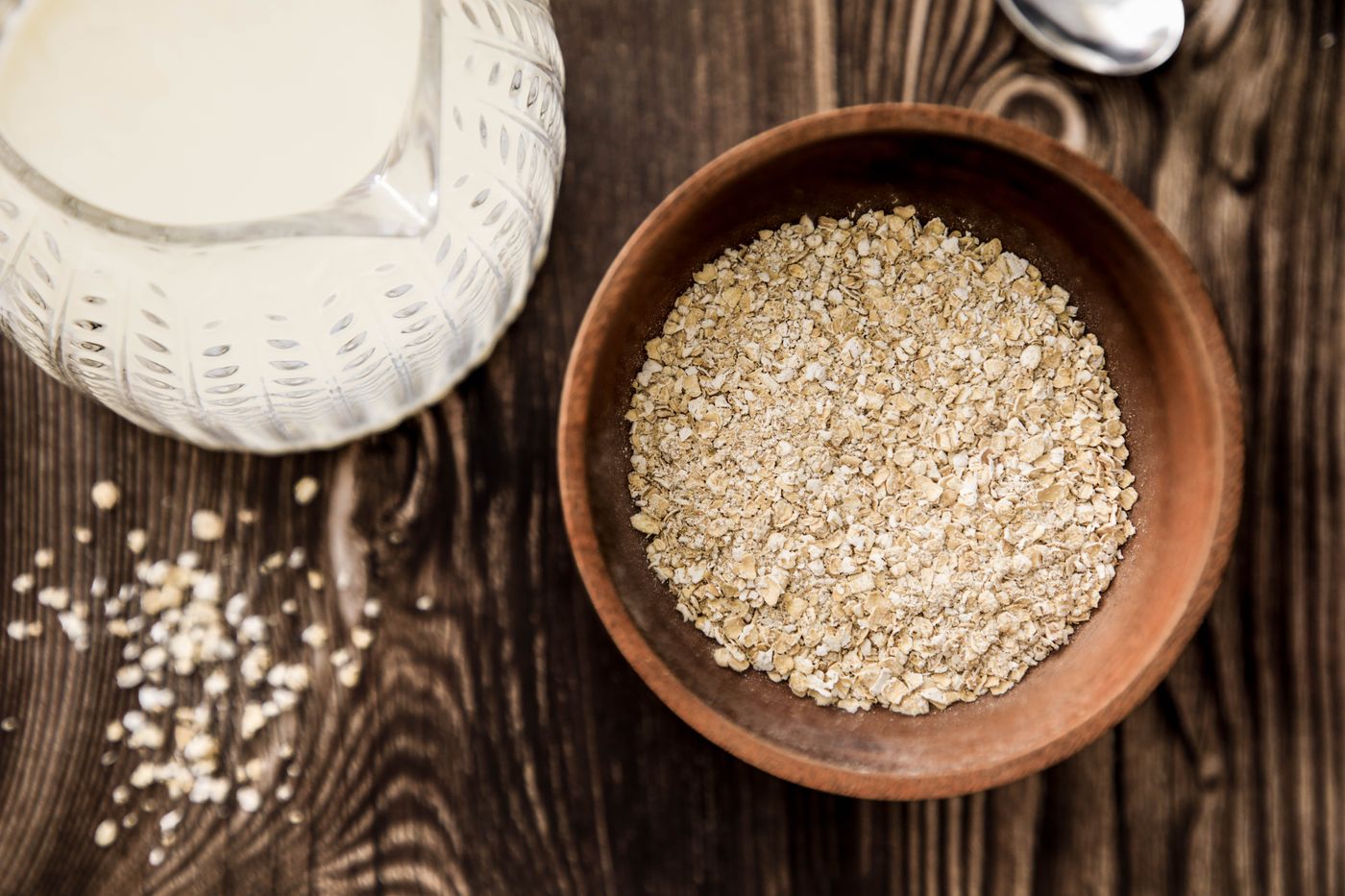
Photo: Victoria Bowers/ https://www.pexels.com
If you want the practical version: a varied diet with plenty of vegetables, legumes and whole grains gets you there without a single supplement. That is not us being coy. It is what the food list above actually says.
The bit the label leaves off: most prebiotics are FODMAPs
This is where the tidy story starts to fray, and it is the most useful thing in the article.
Fructans and galacto-oligosaccharides — the two best-established prebiotic classes — are literally the O in FODMAP. Not similar to it. It. The FODMAP framework describes short-chain carbohydrates that are poorly absorbed and therefore “exert osmotic effects in the intestinal lumen increasing its water volume, and are rapidly fermented by bacteria with consequent gas production,” and the authors note that “these two effects alone may underlie most of the induction of gastrointestinal symptoms” after eating a moderate amount10.
So the mechanism that makes a prebiotic a prebiotic is the same mechanism that makes it produce gas. Those are not two properties. They are one property, viewed from two ends.

Photo: Alexey Demidov/ https://www.pexels.com
The dose numbers, which nobody prints
Tolerance is dose-dependent and the thresholds are lower than you would guess. All three of these trials were in healthy volunteers, which matters — if you have a sensitive gut, assume your own threshold sits lower still.
- A randomized crossover trial found doses up to 10 g/day of native inulin and up to 5 g/day of oligofructose were well tolerated in healthy young adults — but that “the 10-g dose of oligofructose substantially increased GI symptoms compared to control.” The most common complaints were flatulence, then bloating11
- A separate randomized crossover found that “by contrast to 10 g, 20 g of inulin demonstrated a significant difference in composite score compared to placebo” (P < 0.001)12
- And a third found measurable symptom increases at 5.0 g and 7.5 g/day of agave inulin, with bloating and flatulence intensity both rising13
And it is not the same for everyone
A dose-response study gave healthy adults GOS at 0, 2.5, 5 and 10 g/day for three weeks each. The headline finding is the interesting one: there was “a high inter-subject variation in bifidogenic effect,” with only 9 of the 18 participants responding at all — and the responders and non-responders did not differ in their starting bifidobacteria levels14. The 2.5 g dose did nothing measurable in anyone.
Note what that study also rules out. “Your gut will adapt” is standard supplement advice, and this trial found the opposite: even at high doses over many weeks, non-responders stayed non-responders14. Starting slow is still sensible — it lets you find your own tolerance without a bad week. Just do not start slow on the expectation that persistence will eventually get you there.
The gut-garden metaphor, which we are keeping
Think of a prebiotic as fertilizer for a garden. Useful in the right amount, at the right time. Dump the whole bag on in week one and you do not get a better garden — you get a mess. The dose numbers above are simply where “the right amount” stops being right.
So: do you need prebiotics when taking probiotics?
No — and not because of what is in anybody’s bottle.
The strongest evidence available is a systematic review and meta-analysis of randomized controlled trials of prebiotics in adults with irritable bowel syndrome and other functional bowel disorders. Eleven trials, 729 patients. The results are worth quoting properly, because the summary version gets softened everywhere it is repeated:
Global response: 54% on prebiotic versus 63% on placebo, with no difference between groups (OR 0.62; 95% CI 0.07–5.69; P = 0.67). “Similarly, no differences were found for severity of abdominal pain, bloating and flatulence, and QoL score between prebiotics and placebo.”15
Doses of 6 g/day or less improved flatulence, and so did non-inulin-type prebiotics — but “inulin-type fructans worsened flatulence” (SMD 0.85; 95% CI 0.23–1.47; P = 0.007)15. Inulin-type fructans are the most commonly sold prebiotic supplement on the market.
The authors’ own conclusion: “Prebiotics do not improve gastrointestinal symptoms or QoL in patients with IBS or other FBDs, but they do increase bifidobacteria.”15
Read that last sentence one more time, because it is the whole lesson in miniature. The prebiotics did exactly what prebiotics are advertised to do — they significantly raised bifidobacteria15 — and the people taking them felt no better.
A change in your gut bacteria is not the same thing as a benefit. That gap is why the formal definition insists on both.
There is a proper word for a probiotic and a prebiotic deliberately combined: a synbiotic, defined as “a mixture comprising live microorganisms and substrate(s) selectively utilized by host microorganisms that confers a health benefit on the host”16. It is a real and active area of research. What it is not, yet, is a demonstrated improvement on taking a well-chosen probiotic by itself.
And if you have IBS specifically, the direction of travel in the guidelines is the opposite of “add a prebiotic.” A network meta-analysis of 13 randomized trials in 944 patients found a low-FODMAP diet ranked first against a habitual diet for global symptom improvement (RR 0.67; 95% CI 0.48–0.91) and “was superior to all other interventions”17, and the American College of Gastroenterology recommends a limited trial of exactly that diet8. That means eating fewer fermentable oligosaccharides — which is to say, fewer prebiotics. Read our FODMAPs explainer if that is your situation.
While we are here: postbiotics
This is the one word in the family that scientists are still openly arguing about, and it is worth understanding the argument rather than picking a side by accident. There are two definitions in play.
The fermentation definition
“Postbiotics are functional bioactive compounds, generated in a matrix during fermentation, which may be used to promote health.”29
“The term postbiotics can be regarded as an umbrella term for all synonyms and related terms of these microbial fermentation components. Therefore, postbiotics can include many different constituents including metabolites, short-chain fatty acids (SCFAs), microbial cell fractions, functional proteins, extracellular polysaccharides, cell lysates, teichoic acid, peptidoglycan-derived muropeptides and pili-type structures.”29
On this reading, a postbiotic is what fermentation produces. It is an umbrella term, it explicitly includes short-chain fatty acids, and it does not care whether the organisms that made those compounds are still alive.
The inactivated-cell definition
In 2021 a consensus panel proposed something narrower: “a preparation of inanimate microorganisms and/or their components that confers a health benefit on the host,” adding that “effective postbiotics must contain inactivated microbial cells or cell components, with or without metabolites”18. On that reading the defining feature is a deliberate step that kills the organisms, and purified metabolites on their own would not qualify.
That narrowing was not accepted quietly. Thirty-eight researchers published a formal objection, arguing among other things that the new wording “generates confusion as well-defined molecular factors cannot be distinguished from complex (undefined) matrices derived from microbial cells,” and that the meaning the scientific literature had attached to the word for the previous decade was being set aside. The panel replied and stood by its definition19,20. The disagreement has not been resolved.
Which one we use, and why
We use the fermentation definition29, because it is the one that actually describes what is in the bottle. Flourish is fermented, and the compounds that fermentation generated are still in the liquid alongside the cultures that made them. Under the narrower definition a live product would sit outside the category; under the fermentation definition it sits squarely inside it.
We are telling you which definition we are using rather than leaving the word to float, because that is the honest way to use a contested term. There is more in What are Postbiotics? and Flourish Probiotics and Postbiotics.
Where Flourish fits in all this

Flourish is a probiotic and a postbiotic. It is a living culture, and it is bottled in the very liquid it was fermented in — so the bioactive compounds that fermentation generated are still there, alongside the organisms that made them29. What it is not is a prebiotic, and it is not a synbiotic. Two out of four is worth stating plainly rather than letting all four words blur together.
Both halves, in plain terms
The probiotic half is the live cultures. Flourish Original and Flourish Junior each contain 11 live cultures spanning nine genera, including bacteria and a beneficial yeast21, delivered in the liquid rather than freeze-dried into a capsule.
The postbiotic half is everything fermentation left behind in that liquid. Under the fermentation definition set out above, postbiotics are the “functional bioactive compounds, generated in a matrix during fermentation” — an umbrella that expressly includes short-chain fatty acids, cell fractions, functional proteins and the rest29. A fermented liquid bottled without removing its ferment carries those compounds by construction. That is a statement about what the product is, not a promise about what it will do for you.
One thing we will flag ourselves, because it matters for reading anybody’s claims including ours: our organisms are identified at species level, not strain level. Given everything above about strain-specificity, that is a limitation worth stating rather than glossing over — it means we do not inherit any individual strain’s published results, and neither does any other product that declares species alone. Strain characterization is work we would like to do.
What we can say, in the words of the people who set the rules
When FDA published the rules on structure/function claims, it printed its own examples of wording it considers acceptable. Rather than invent our own phrases, here are theirs, verbatim24:
- “Helps maintain intestinal flora” — FDA gives this one twice, and is specific that it works only unmodified. Tie it to antibiotics or to being unwell and it becomes a disease claim
- “Helps promote digestion”
- “Helps maintain regularity”
That is a shorter list than most supplement pages carry, and every item on it is FDA’s own language rather than a marketing department’s. Note what is not on it: nothing about immunity against infection, nothing about colds or winter, nothing about restoring what antibiotics took. FDA treats all of those as disease claims24, and we will not be making them.
The one claim a regulator has actually assessed
There is exactly one authorized health claim, in either the European or US register, that involves live microorganisms. The European Union permits this wording: “Live cultures in yoghurt or fermented milk improve lactose digestion of the product in individuals who have difficulty digesting lactose.” To carry it, a yoghurt or fermented milk must contain at least 108 colony-forming units per gram of two specific organisms — Lactobacillus delbrueckii subsp. bulgaricus and Streptococcus thermophilus25.
Both of those organisms are among the eleven in Flourish. We are telling you that because it is interesting and because it is the rare case where a regulator evaluated live cultures and said yes — not because Flourish carries that claim. It does not. The claim belongs to yoghurt and fermented milk, it is about digesting the lactose in the product itself, it applies to people who have difficulty digesting lactose, and it is a European authorization with no force in the United States. All four of those limits matter, and we are not going to quietly drop any of them.
Well tolerated, and here is who should check first
This is the least glamorous thing on the page and probably the most solid. The largest safety review of probiotics screened 11,977 publications and included 622 studies. Across randomized controlled trials it found no statistically significant increase in adverse events (RR 1.00; 95% CI 0.93–1.07), and none for serious adverse events either (RR 1.06; 95% CI 0.97–1.16)26.
The same review is candid about what it could not rule out, and so are we: case reports describe fungemia and some bacteremia potentially linked to administered probiotic organisms, and the controlled trials “did not monitor routinely for such infections”26. Long-term effects are not well studied.
Talk to a clinician first if any of these apply
- You are immunocompromised or taking immunosuppressive medication
- You are critically ill or recently had major surgery
- You have a central venous catheter
- You have short bowel syndrome or a damaged gut lining
- You have a cardiac valve condition
These are the populations excluded from most probiotic trials, and the ones where the case reports cluster27. This is not a long list, and it is not most people — but if you are on it, it matters more than anything else on this page.
Making it a daily habit
People have been eating and drinking cultured foods for thousands of years23, and the practical advantage of a liquid is an ordinary one: there is no capsule to pry apart and no tablet to hide. It measures with a spoon, it goes in whatever you are already drinking, and the whole family can share a bottle. If a daily supplement is going to survive contact with real life, it has to be easy. That is a format argument, not a health claim, and we are making it as such.
One piece of timing advice that is genuinely useful and slightly counter-intuitive. A laboratory model of the upper digestive tract found survival of a probiotic was best when it was taken with a meal or about thirty minutes before one, and that survival in milk or an oatmeal-and-milk mixture was “significantly better than apple juice or spring water”28. So if you are mixing a dose into something, milk beats juice. That study was an in-vitro model of an encapsulated product rather than a trial of Flourish, so treat it as a sensible default rather than a finding about this bottle.
About the molasses and the sorghum
Flourish is bottled with the liquid it was fermented in — molasses for Original, sorghum for Junior. That medium is there to feed the cultures in the bottle and keep them active until you drink them. It is a manufacturing choice, and a real one.
What it is not is a prebiotic for you. There is no human prebiotic literature on molasses at all, and molasses is mostly simple sugars, which your small intestine absorbs long before they reach the bacteria anyone is trying to feed. Sorghum is a slightly more interesting case — it does contain resistant starch and non-starch polysaccharides — but the one controlled human trial we could find, in which men ate 40 g of extruded whole sorghum daily for eight weeks, reported that “short-chain fatty acid production, fecal pH, and α and β diversity indexes did not differ” between groups22.
So we are not going to tell you Flourish replaces a prebiotic
It does not, and a company selling live cultures saying otherwise would be relying on you not checking. The honest version is simpler: Flourish is a fermented liquid, bottled in the liquid it was fermented in, so the fermentation medium and the compounds formed during fermentation stay in the bottle. That is a statement about what the product is, not a claim about what it does for you.
If you want prebiotics, eat the food list further up this page. If you have a sensitive gut, read the dose numbers first. Those two sentences are the entire practical takeaway, and neither of them requires buying anything from us.
The short version
Photo: Ella Olsson/ https://www.pexels.com
- A probiotic is live microorganisms in adequate amounts with a demonstrated benefit. A prebiotic is a substrate selectively used by your microbes with a documented benefit. Both definitions are stricter than the shelf talk
- Probiotic effects are strain-specific. General claims about “probiotics” tell you very little about any particular product
- Swallowed probiotics are mostly transient, and how well they take hold varies a lot between people
- Most established prebiotics are FODMAPs. Symptoms start appearing in healthy adults somewhere around 5–10 g/day, and lower if your gut is sensitive
- Adding a prebiotic to a probiotic has not been shown to beat the probiotic alone, and in people with IBS the prebiotic component did not improve symptoms — while inulin-type fructans made flatulence measurably worse
- Raising your bifidobacteria is not the same as feeling better. The trials managed the first without the second
- Under the fermentation definition, postbiotics are what fermentation produces — an umbrella term that includes short-chain fatty acids. A 2021 consensus proposed a narrower one built around deliberately inactivated cells, and the argument is still live
- Food beats supplements here, and it is not close
- Postbiotic is a genuinely contested term. We use the fermentation definition — the bioactive compounds fermentation generates, short-chain fatty acids included29 — and we say so rather than leaving the word to float
About this article
Written by: Kelsy Armstrong, Entegro Health | Originally published: April 2025
Important information
This article is for general education and isn’t a substitute for professional medical advice, diagnosis, or treatment. Nothing here diagnoses, treats, cures or prevents any condition. If you have a diagnosed digestive condition, or symptoms that concern you, please speak to a qualified health professional.
These statements have not been evaluated by the Food and Drug Administration. This product is not intended to diagnose, treat, cure, or prevent any disease.
Sources
- Hill, C., Guarner, F., Reid, G., Gibson, G. R., Merenstein, D. J., Pot, B., et al. (2014). Expert consensus document: The International Scientific Association for Probiotics and Prebiotics consensus statement on the scope and appropriate use of the term probiotic. Nature Reviews Gastroenterology & Hepatology, 11(8), 495–506 — the definition: “live microorganisms which when administered in adequate amounts confer a health benefit on the host.” Source
- Zmora, N., Zilberman-Schapira, G., Suez, J., Mor, U., Dori-Bachash, M., Bashiardes, S., et al. (2018). Personalized gut mucosal colonization resistance to empiric probiotics is associated with unique host and microbiome features. Cell, 174(6), 1388–1405.e21 — an eleven-strain probiotic assessed by endoscopy rather than stool: “probiotics induced a transient, individualized impact on mucosal community structure and gut transcriptome… empiric probiotics supplementation may be limited in universally and persistently impacting the gut mucosa.” Source
- Gibson, G. R., Hutkins, R., Sanders, M. E., Prescott, S. L., Reimer, R. A., Salminen, S. J., et al. (2017). Expert consensus document: The International Scientific Association for Probiotics and Prebiotics (ISAPP) consensus statement on the definition and scope of prebiotics. Nature Reviews Gastroenterology & Hepatology, 14(8), 491–502 — “a substrate that is selectively utilized by host microorganisms conferring a health benefit”; “The requirement for selective microbiota-mediated mechanisms was retained. Beneficial health effects must be documented for a substance to be considered a prebiotic.” Source
- Hutkins, R., Walter, J., Gibson, G. R., Bedu-Ferrari, C., Scott, K., Tancredi, D. J., Wijeyesekera, A., & Sanders, M. E. (2025). Classifying compounds as prebiotics — scientific perspectives and recommendations. Nature Reviews Gastroenterology & Hepatology, 22(1), 54–70 — on “establishing that prebiotic-induced microbiota modulation causes the health outcome” and “when those microbial effects sufficiently satisfy selectivity requirements.” Source
- US Food and Drug Administration — dietary fiber is defined at 21 CFR 101.9(c)(6)(i); the isolated and synthetic non-digestible carbohydrates that may be declared as dietary fiber were extended by guidance at 83 FR 27894 (15 June 2018). A full-text search of 21 CFR returns no occurrence of the word “prebiotic.” Source
- Su, G. L., Ko, C. W., Bercik, P., Falck-Ytter, Y., Sultan, S., Weizman, A. V., & Morgan, R. L. (2020). AGA clinical practice guidelines on the role of probiotics in the management of gastrointestinal disorders. Gastroenterology, 159(2), 697–705 — “within species, different strains can have widely different activities and biologic effects”; effects likely “not only strain specific but also dose specific.” Source
- Preidis, G. A., Weizman, A. V., Kashyap, P. C., & Morgan, R. L. (2020). AGA technical review on the role of probiotics in the management of gastrointestinal disorders. Gastroenterology, 159(2), 708–738.e4 — the reviewed trials “tested 44 different probiotic species/strains or combinations of species/strains; thus, for the majority of probiotics, the total body of evidence is derived from a single trial.” Source
- Lacy, B. E., Pimentel, M., Brenner, D. M., Chey, W. D., Keefer, L. A., Long, M. D., & Moshiree, B. (2021). ACG clinical guideline: management of irritable bowel syndrome. American Journal of Gastroenterology, 116(1), 17–44 — recommends a limited trial of a low-FODMAP diet to improve global symptoms in IBS. Source
- Pimentel, M., Saad, R. J., Long, M. D., & Rao, S. S. C. (2020). ACG clinical guideline: small intestinal bacterial overgrowth. American Journal of Gastroenterology, 115(2), 165–178 — SIBO “is defined as the presence of excessive numbers of bacteria in the small bowel, causing gastrointestinal symptoms.” Source
- Shepherd, S. J., Lomer, M. C. E., & Gibson, P. R. (2013). Short-chain carbohydrates and functional gastrointestinal disorders. American Journal of Gastroenterology, 108(5), 707–717 — poorly absorbed short-chain carbohydrates “exert osmotic effects in the intestinal lumen increasing its water volume, and are rapidly fermented by bacteria with consequent gas production… These two effects alone may underlie most of the induction of gastrointestinal symptoms”; the FODMAP concept defined. Source
- Bonnema, A. L., Kolberg, L. W., Thomas, W., & Slavin, J. L. (2010). Gastrointestinal tolerance of chicory inulin products. Journal of the American Dietetic Association, 110(6), 865–868 — randomized double-blind crossover in 26 healthy adults: “the 10-g dose of oligofructose substantially increased GI symptoms compared to control”; “doses up to 10 g/day of native inulin and up to 5 g/day of oligofructose were well-tolerated.” Source
- Housez, B., Cazaubiel, M., Vergara, C., Bard, J. M., Adam, A., Einerhand, A., & Samuel, P. (2012). Evaluation of digestive tolerance of a soluble corn fiber. Journal of Human Nutrition and Dietetics, 25(5), 488–496 — “by contrast to 10 g, 20 g of inulin demonstrated a significant difference in composite score compared to placebo (P < 0.001, difference = 7.6; 95% CI = 3.8–11.3).” Source
- Holscher, H. D., Doligale, J. L., Bauer, L. L., Gourineni, V., Pelkman, C. L., Fahey, G. C., & Swanson, K. S. (2014). Gastrointestinal tolerance and utilization of agave inulin by healthy adults. Food & Function, 5(6), 1142–1149 — 29 healthy adults; composite GI intolerance scores for 5.0 g and 7.5 g both greater than control, with bloating and flatulence intensity increased at both doses. Source
- Davis, L. M., Martínez, I., Walter, J., & Hutkins, R. (2010). A dose dependent impact of prebiotic galactooligosaccharides on the intestinal microbiota of healthy adults. International Journal of Food Microbiology, 144(2), 285–292 — “a high inter-subject variation in bifidogenic effect… a subset of 9 GOS responders among the eighteen subjects”; “a dose of 2.5 g showed no significant effect… even when GOS was administered for many weeks and at high doses, there were still some individuals for which a bifidogenic response did not occur.” Source
- Wilson, B., Rossi, M., Dimidi, E., & Whelan, K. (2019). Prebiotics in irritable bowel syndrome and other functional bowel disorders in adults: a systematic review and meta-analysis of randomized controlled trials. American Journal of Clinical Nutrition, 109(4), 1098–1111 — 11 RCTs, 729 patients; global response 54% vs 63% with no difference between groups (OR 0.62; 95% CI 0.07–5.69; P = 0.67); no differences in abdominal pain, bloating and flatulence severity, or quality of life; “inulin-type fructans worsened flatulence (SMD 0.85; 95% CI 0.23, 1.47; P = 0.007)”; bifidobacteria increased (WMD 1.16 log₁₀ copies; 95% CI 0.06, 2.26); “Prebiotics do not improve gastrointestinal symptoms or QoL in patients with IBS or other FBDs, but they do increase bifidobacteria.” Source
- Swanson, K. S., Gibson, G. R., Hutkins, R., Reimer, R. A., Reid, G., Verbeke, K., et al. (2020). The International Scientific Association for Probiotics and Prebiotics (ISAPP) consensus statement on the definition and scope of synbiotics. Nature Reviews Gastroenterology & Hepatology, 17(11), 687–701 — “a mixture comprising live microorganisms and substrate(s) selectively utilized by host microorganisms that confers a health benefit on the host”; complementary versus synergistic synbiotics distinguished. Source
- Black, C. J., Staudacher, H. M., & Ford, A. C. (2022). Efficacy of a low FODMAP diet in irritable bowel syndrome: systematic review and network meta-analysis. Gut, 71(6), 1117–1126 — 13 RCTs, 944 patients; “a low FODMAP diet ranked first vs habitual diet (RR of symptoms not improving = 0.67; 95% CI 0.48 to 0.91…), and was superior to all other interventions.” Source
- Salminen, S., Collado, M. C., Endo, A., Hill, C., Lebeer, S., Quigley, E. M. M., et al. (2021). The International Scientific Association of Probiotics and Prebiotics (ISAPP) consensus statement on the definition and scope of postbiotics. Nature Reviews Gastroenterology & Hepatology, 18(9), 649–667 — “a preparation of inanimate microorganisms and/or their components that confers a health benefit on the host”; “Effective postbiotics must contain inactivated microbial cells or cell components, with or without metabolites, that contribute to observed health benefits.” Source
- Aguilar-Toalá, J. E., Arioli, S., Behare, P., Belzer, C., Berni Canani, R., et al. (2021). Postbiotics — when simplification fails to clarify. Nature Reviews Gastroenterology & Hepatology, 18(11), 825–826 — a 38-author critique of the consensus definition. Source
- Salminen, S., Collado, M. C., Endo, A., Hill, C., Lebeer, S., Quigley, E. M. M., et al. (2021). Reply to: Postbiotics — when simplification fails to clarify. Nature Reviews Gastroenterology & Hepatology, 18(11), 827–828 — the consensus panel’s response. Source
- Zheng, J., Wittouck, S., Salvetti, E., Franz, C. M. A. P., Harris, H. M. B., Mattarelli, P., et al. (2020). A taxonomic note on the genus Lactobacillus: description of 23 novel genera, emended description of the genus Lactobacillus Beijerinck 1901, and union of Lactobacillaceae and Leuconostocaceae. International Journal of Systematic and Evolutionary Microbiology, 70(4), 2782–2858 — the reclassification underlying the genus count for the cultures in Flourish. Source
- Lúcio, H., Anunciação, P., da Silva, B., et al. (2023). Consumption of extruded sorghum SC319 improved gut microbiota at genus level and reduced anthropometric markers in men with overweight: a randomized controlled clinical trial. Nutrients, 15(17), 3786 — 40 g/day of extruded whole sorghum for eight weeks: “short-chain fatty acid production, fecal pH, and α and β diversity indexes did not differ intra- and intergroup after interventions.” Source
- Marco, M. L., Sanders, M. E., Gänzle, M., Arrieta, M. C., Cotter, P. D., De Vuyst, L., et al. (2021). The International Scientific Association for Probiotics and Prebiotics (ISAPP) consensus statement on fermented foods. Nature Reviews Gastroenterology & Hepatology, 18(3), 196–208 — “the label ‘contains probiotics’ should only be used when the strains in the fermented food are defined to the strain level, the genome sequences are known and the strains are present at an appropriate number during product shelf-life”; Table 1 prescribes “Contains live and active cultures” for a fermented food containing live microorganisms that has not met that bar; “the terms ‘fermented food’ and ‘probiotics’ cannot be used interchangeably.” Source
- US Food and Drug Administration (2000). Regulations on statements made for dietary supplements concerning the effect of the product on the structure or function of the body, 65 FR 999–1050 (6 January 2000) — FDA’s own examples of acceptable structure/function claims: “helps maintain intestinal flora” (65 FR 1012 and 1029), “helps promote digestion” (65 FR 1006), “helps maintain regularity” (65 FR 1015 and 1033). FDA also states that “helps individuals using antibiotics to maintain normal intestinal flora” is a disease claim (65 FR 1029), and that “dietary support during the cold and flu season” is a disease claim (65 FR 1030). Source
- Commission Regulation (EU) No 432/2012, Annex — the authorized claim for live yoghurt cultures: “Live cultures in yoghurt or fermented milk improve lactose digestion of the product in individuals who have difficulty digesting lactose.” Conditions of use: “yoghurt or fermented milk should contain at least 10⁸ Colony Forming Units live starter microorganisms (Lactobacillus delbrueckii subsp. bulgaricus and Streptococcus thermophilus) per gram.” Underlying opinion: EFSA Journal 2010;8(10):1763 (register entries 1143, 2976). No claim using the word “probiotic” is authorized anywhere in the EU register. Source
- Hempel, S., Newberry, S., Ruelaz, A., Wang, Z., Miles, J. N. V., Suttorp, M. J., et al. (2011). Safety of probiotics used to reduce risk and prevent or treat disease. Evidence Report/Technology Assessment No. 200. Agency for Healthcare Research and Quality — 11,977 publications screened, 622 studies included; randomized controlled trials showed “no statistically significantly increased relative risk (RR) of the overall number of experienced adverse events (RR 1.00; 95% CI 0.93, 1.07)… or other adverse events, including serious adverse events (RR 1.06; 95% CI 0.97, 1.16).” The review also notes that case studies describe fungemia and some bacteremia potentially associated with administered probiotic organisms, and that controlled trials “did not monitor routinely for such infections.” Source
- Doron, S., & Snydman, D. R. (2015). Risk and safety of probiotics. Clinical Infectious Diseases, 60(Suppl 2), S129–S134 — the populations in which caution is warranted, including immunocompromised, critically ill and premature patients, those with central venous catheters, and those with compromised intestinal barrier function. Source
- Tompkins, T. A., Mainville, I., & Arcand, Y. (2011). The impact of meals on a probiotic during transit through a model of the human upper gastrointestinal tract. Beneficial Microbes, 2(4), 295–303 — an in-vitro model of the upper digestive tract using an encapsulated multi-strain product: “survival of all the bacteria in the product was best when given with a meal or 30 minutes before a meal… Survival in milk with 1% milk fat and oatmeal-milk gruel were significantly better than apple juice or spring water.” Source
- Wegh, C. A. M., Geerlings, S. Y., Knol, J., Roeselers, G., & Belzer, C. (2019). Postbiotics and their potential applications in early life nutrition and beyond. International Journal of Molecular Sciences, 20(19), 4673 — “Postbiotics are functional bioactive compounds, generated in a matrix during fermentation, which may be used to promote health. The term postbiotics can be regarded as an umbrella term for all synonyms and related terms of these microbial fermentation components. Therefore, postbiotics can include many different constituents including metabolites, short-chain fatty acids (SCFAs), microbial cell fractions, functional proteins, extracellular polysaccharides (EPS), cell lysates, teichoic acid, peptidoglycan-derived muropeptides and pili-type structures.” Source