Pregnancy, Delivery & the Gut Microbiome
Babies. They are the cutest! With their little toes, chubby cheeks, perfect hands, and soft skin – it’s enough to make any mom or dad swoon. I think the reason we like babies so much is because they are so full of potential. Watching life unfold before the eyes of a child is a reminder of discovery and seeing amazement in the everyday. Let’s consider influencers of baby microbiomes beginning in pregnancy.
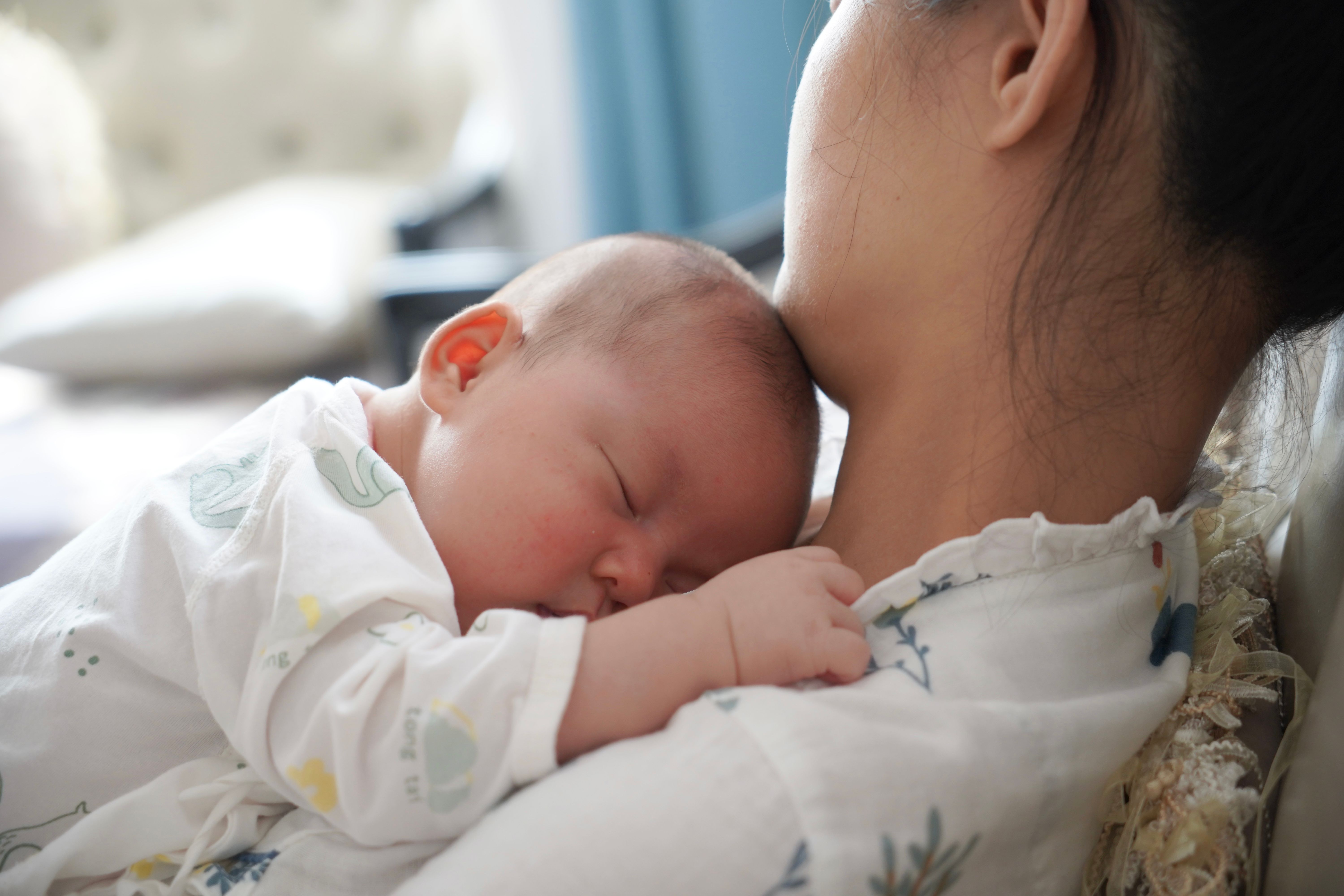
Our current understanding of mother/child gut microbiome interaction continues to grow.
The first understanding of how baby’s microbiome began was through the first introduction to beneficial bacteria via vaginal delivery, or a ‘bacterial baptism,’ as the vaginal tract is home to approximately 50 known bacteria.1 In instances where vaginal delivery is not an option, doctors have tried to recreate this introduction to mom’s bacteria through a technique called vaginal seeding. It involves taking fluid from the mother’s vagina and swabbing it over the nose, mouth, and skin of the newborn in an effort to protect the child from non-communicable diseases.2 It is still considered experimental, and ACOG does not recommend it outside of research studies.3 As science progresses, we are able to learn more about baby’s microbiome and things that have an influence on their microbiome.
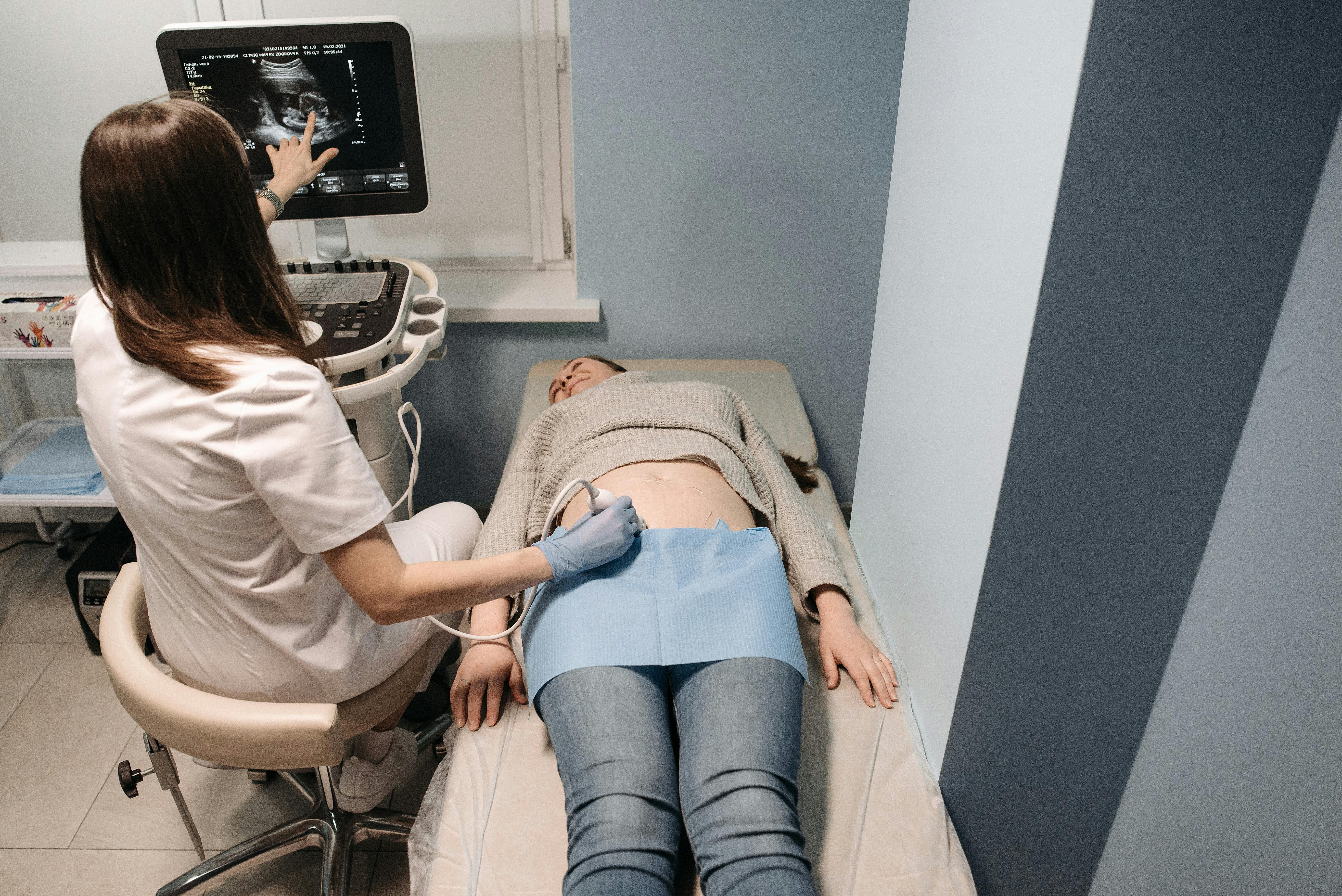
While babies are in utero, they rely on one source for all oxygen, nutrient exchange, waste removal, and life support: Mom.
All these requirements cause lots of changes in mom. Those baby growing hormones contribute to heartburn, morning sickness (which, honestly, why is it called morning sickness? It knows no time restraints), things stretching in unbelievable ways, gorgeous supermodel hair, weird and temporarily delicious food combinations, increases in blood volume, brain fog, and crying at dog adoption commercials. Inside the microbiome, things change dramatically too.

Between the first and third trimester, the maternal microbiome shifts in part due to the increases of estrogen and progesterone.
Microbiome diversity in the first trimester appears to be similar to that of non-pregnant women. However, as pregnancy advances into the second and third trimester, a shift happens. Diversity decreases while the type of bacteria associated with inflammation increases in nearly 70% of pregnant women.45 Interestingly, many of the changes that normally occur in the pregnant mama gut microbiome are actually comparable to metabolic syndrome outside of pregnancy. This includes the ratio of several key bacteria mimicking the higher levels of Firmicutes seen in obesity.5 The thought is that the body is trying to prepare itself to consume more calories in order to grow another human, because that just takes an amazing amount of energy and effort on mama’s body. Anyway, if this shift to additional bacteria takes place under normal pregnancy terms, there are additional challenges when beginning with a gut with low diversity.
Role of Fiber
Part of the reason why it’s important to see diversity as well as high numbers of good guys is because of the beneficial byproducts they kick off while digesting dietary fiber. Short chain fatty acids (SCFA) such as acetate, propionate, and butyrate are used by the intestinal epithelial cells (these are the important cells that act as a barrier between your insides and the outside world) as a source of energy for this tissue. SCFA production by the gut bacteria is associated with a healthy body mass index and leanness.5 So these are the good guy byproducts we like to see from our bacteria, pregnant or not. Having good numbers is important for mom and baby.
Baby’s first microbiome influencer is always mom’s microbiome.
Research continues to find more about the importance of mom having a healthy microbiome as it has a direct correlation to the diversity in baby’s gut.416 This is great news! There are many good ways to influence baby’s microbiome before he or she even arrives in the world. Nearly all moms can strive to have high diversity and a good population of beneficial bacteria to share with baby, regardless of delivery method.

If you are pregnant or thinking about becoming pregnant,
check with your healthcare practitioner to see if Flourish is a good fit for you.
Parents work hard to equip their kids with the tools they need to be independent contributors to society.
It takes time to put in the work helping with homework, instruments, practices, tutoring, flashcards, church events, social activities, and bake sales. We're not perfect and make mistakes, but we do the best we can. Turns out, one of the best gifts you can give to your kids is a jump start in their microbiome. Pregnancy and delivery were their first dose of motherly love and bacteria. We can continue to add to their microbiome as they grow from toddlers to high schoolers by supplementing with Flourish. Offering fermented foods and feeding both the kids and their bacteria with fiber-rich foods.

Do you have a high schooler looking to the future with jobs or colleges? Take the time to teach them laundry skills and introduce them to their microbiome buddies. Who knows, maybe someday when they have kids, they will thank you for it.

Ready to try a living probiotic?
Eleven live cultures. One daily shot. For the whole family.
Shop Flourish Original · Shop Flourish Junior · When to take it
About this article
Written by: Lynn Haak, Entegro Health | Originally published: November 2019
Important information
The content in this article is not a substitute for professional medical advice, diagnosis, or treatment.
These statements have not been evaluated by the Food and Drug Administration. This product is not intended to diagnose, treat, cure, or prevent any disease.
Sources
- Collado, M. C., et al. Distinct Composition of Gut Microbiota during Pregnancy in Overweight and Normal-Weight Women. The American Journal of Clinical Nutrition, 88(4), 894–899. Source
- Stinson, L. F., Payne, M. S., & Keelan, J. A. (2018). A Critical Review of the Bacterial Baptism Hypothesis and the Impact of Cesarean Delivery on the Infant Microbiome. Frontiers in Medicine, 5, 135. Source
- American College of Obstetricians and Gynecologists. (2017, reaffirmed 2022). Committee Opinion No. 725: Vaginal Seeding. Obstetrics & Gynecology, 130(5), e274–e278. Source
- Edwards, S. M., Cunningham, S. A., Dunlop, A. L., & Corwin, E. J. (2017). The Maternal Gut Microbiome During Pregnancy. MCN: The American Journal of Maternal/Child Nursing, 42(6), 310–317. Source
- Dunlop, A. L., Mulle, J. G., Ferranti, E. P., Edwards, S., Dunn, A. B., & Corwin, E. J. (2015). The Maternal Microbiome and Pregnancy Outcomes That Impact Infant Health: A Review. Advances in Neonatal Care, 15(6), 377–385. Source
- Santacruz, A., Collado, M. C., García-Valdes, L., et al. (2010). Gut microbiota composition is associated with body weight, weight gain and biochemical parameters in pregnant women. British Journal of Nutrition, 104(1), 83–92. Source