Your Gut Health Unlocked
Four of our older articles were trying to say the same thing from four different angles: gut health is a series of small, ordinary decisions. We have merged them into one guide, checked every claim against a primary source, and fixed the ones that were wrong.

Photo: Vanessa Loring/ https://www.pexels.com
This is the long version — food, movement, sleep, stress, medications, the things worth avoiding, and how to actually use a daily probiotic. It is built for families who want the reasoning, not just the rules.
A warning about the tone: some of what follows is unflattering to the supplement category this company sells in. It is here anyway, because a guide you cannot check is not a guide.
Start with the mindset, not the rules
Smokey Bear has been the face of wildfire prevention since 1944, in a campaign run jointly by the USDA Forest Service, the National Association of State Foresters and the Ad Council. His slogan arrived in 1947 as "Only YOU Can Prevent Forest Fires," and was updated in 2001 to "Only You Can Prevent Wildfires" — because most wildfires do not start in forests.1
Nobody made a bear in blue jeans for your microbiome. Which is a shame, because the health equivalent of "know the risk, then act on it" is exactly what most of us are missing.
Prevention and promotion are not the same job
Prevention means stopping something bad from happening. It is usually described in three levels: primary prevention stops a problem from starting, secondary prevention catches it early through screening, and tertiary prevention limits the damage once a condition is established.3
Promotion is the other half. The World Health Organization’s Ottawa Charter defines health promotion as "the process of enabling people to increase control over, and to improve, their health."2 It is about building capacity, not just dodging illness.
The difference matters because of what each one does to your motivation. Asked to do something with fear as the engine, most people’s attitude reflects that. Asked to do the same thing with encouragement behind it, the attitude usually follows.
Prevention is a key to unlocking a healthy lifestyle, but promotion is the friendly application.

Photo: Jay-r Alvarez/ https://www.pexels.com
Trap 1: all or nothing
You eat a doughnut at the ten o’clock meeting and the whole day is written off. I’ll start again Monday.
There is a study that speaks directly to this, and it is the most misquoted paper in health writing. Researchers followed 96 people adopting a new daily eating, drinking or activity behavior and measured how automatic it felt over 12 weeks. The median time to plateau was 66 days — the number everyone repeats. The range was 18 to 254 days, which nobody repeats.4
And the finding that gets quoted least is the one you actually need: missing a single day did not materially affect habit formation.4 One skipped opportunity barely moved the automaticity score, and it recovered quickly.
The mental shift
Days, weeks and years are a series of decisions, not a single pass/fail grade. Yes, there are doughnuts in the break room, and yes, you were planning a beer on the deck tonight. Skip the doughnut, keep the beer, move on.
Trap 2: the word "diet"
"Diet" sounds restrictive and it sounds temporary, which is a bad combination for something you are meant to keep doing.
We will be straight with you: we could not find research showing that calling something a "lifestyle change" instead of a "diet" makes people stick with it. As far as we can tell, that comparison has not been tested. What has been tested is the substance behind the distinction. In the Diabetes Prevention Program, 3,234 adults at high risk were randomized to placebo, metformin or an intensive lifestyle program. Over an average of 2.8 years the lifestyle group cut their diabetes incidence by 58%, against 31% for the drug.5
The label matters less than whether the change is one you can keep.
Trap 3: too much information, and foods labeled good or bad
Sorting food into good and bad mostly generates guilt, and guilt is a poor long-term fuel.
The mental shift
Keep it simple. Keep it diverse. Fruits, vegetables, whole grains, lean proteins, foods high in omega-3 fats and fermented foods are consistently good options. Cutting out entire food groups is rarely something people sustain, and your body needs a wide range of vitamins and minerals to run properly.
Trap 4: comparing
Comparison is the biggest trap of the four, and body size is a particularly unreliable thing to compare. In a nationally representative sample of 5,440 US adults, about 32% of obese adults had no clustering of cardiometabolic risk factors, while about 24% of normal-weight adults did.6
Two honest caveats: the exact percentages shift depending on which criteria researchers use, and "metabolically healthy obesity" often is not permanent — a good number of people move into the unhealthy category over time. The point is not that weight is irrelevant. It is that you cannot read someone’s metabolic health off their silhouette, including your own.
Three buckets
Everything in health falls into one of three piles: things you can control, things you cannot, and things you can influence. Heart disease makes the example concrete.
The American Heart Association splits risk factors into ones you cannot change — increasing age, male sex, and heredity including race — and ones you can treat, change or control: tobacco and vaping, high blood cholesterol, high blood pressure, physical inactivity, excess weight and diabetes.7
The AHA’s current framework for the second list is Life’s Essential 8: diet, physical activity, nicotine exposure, sleep health, body mass index, blood lipids, blood glucose and blood pressure.8 Sleep was added in 2022, replacing the older "Life’s Simple 7" — a useful reminder that the list is not fixed.
Accepting what sits in the first bucket frees up the energy to work on the other two. Pick one thing from your control bucket. Start there.
Food is the biggest lever
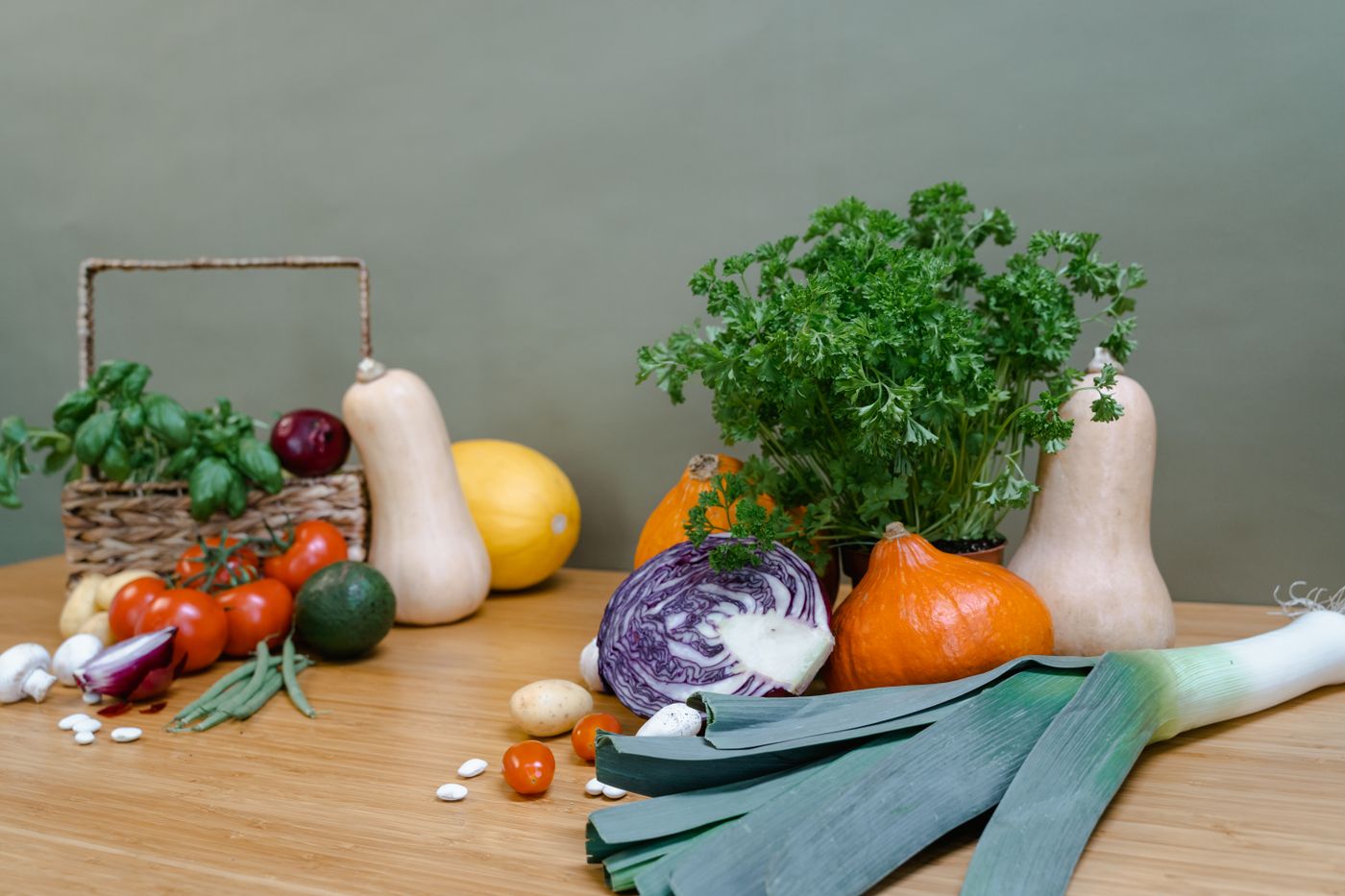
Photo: MART PRODUCTION/ https://www.pexels.com
Nothing you do for your gut moves the needle as reliably as what you eat, and the single most underrated number in that conversation is fiber.
The FDA’s Daily Value for fiber is 28 grams a day on a 2,000-calorie diet.9 The Institute of Medicine’s adequate intake works out to roughly 25 grams for women and 38 grams for men, or about 14 grams per 1,000 calories. Americans average about 17 grams, and roughly 94% of us fall short.10
Prebiotics and probiotics, and the mix-up worth fixing
The one-line version: prebiotics are food for probiotics.
The International Scientific Association for Probiotics and Prebiotics defines a prebiotic as "a substrate that is selectively utilized by host microorganisms conferring a health benefit."11 In plainer terms: something your own digestive enzymes cannot break down, but your gut bacteria can.
A correction we owe you
An earlier version of this material had soluble and insoluble fiber the wrong way round — twice. It said prebiotics come from insoluble fiber and that your gut bacteria eat insoluble fiber. The opposite is closer to the truth.
The FDA’s own labeling guidance puts it plainly. Soluble fiber "dissolves in water to form a thick gel-like substance in the stomach. It is broken down by bacteria in the large intestine and provides some calories." Insoluble fiber "does not dissolve in water and may pass through the gastrointestinal tract relatively intact and, therefore, is not a source of calories."9 Soluble, fermentable fiber is what your microbes eat. Insoluble fiber adds bulk and helps things move.
One more distinction that keeps people honest: most prebiotics are fibers, but not all fibers are prebiotics. ISAPP puts it as "prebiotics are frequently equated with dietary fibers, but only a subset of dietary fibers actually qualify as prebiotics."12 The best-established ones are inulin, fructooligosaccharides (FOS), galactooligosaccharides (GOS), chicory fiber, resistant starch and human milk oligosaccharides.
Where prebiotics actually come from
If you want to feed your microbes on purpose, the measured numbers are worth knowing. Inulin and oligofructose content, per 100 grams:13
- Chicory root — 41.6 g inulin. Far and away the richest source, and the reason it shows up on so many ingredient lists.
- Garlic, dried — 28.2 g.
- Jerusalem artichoke — 18.0 g.
- Leeks, raw — 6.5 g.
- Onions, raw — 4.3 g. Onions alone supply about a quarter of all the inulin in the American diet.
- Asparagus, raw — 2.5 g.
Jicama and dandelion greens also supply inulin. Oats bring beta-glucan, apples bring pectin, and cooked-then-cooled potatoes and rice — along with slightly green bananas — bring resistant starch, which is on ISAPP’s established list.12
Three items we have dropped from our old list: seaweed, flaxseed and cocoa. All three are worth eating. None is an established prebiotic. Cocoa’s effects on the microbiome come from its polyphenols rather than its fiber, and marine polysaccharides are fermented well by only a minority of gut microbiomes. A ripe banana, incidentally, carries about 0.5 g of inulin per 100 g — it is a nice snack, not a prebiotic strategy.13
Fermented foods

Photo: makafood/ https://www.pexels.com
Kombucha, kefir, yogurt, miso, tempeh, kimchi, live sauerkraut, live pickles. Fermented foods carry bacteria, and in some cases yeasts, that behave as probiotics.
The best trial we have compared them head to head with fiber. Over 17 weeks, Stanford researchers randomized adults to a high-fermented-food diet or a high-fiber diet, 18 people per arm. The fermented-food group showed a steady increase in gut microbiota diversity and a decrease in inflammatory markers. The high-fiber group increased their microbes’ glycan-degrading enzyme capacity but showed stable diversity, not increased. The study’s primary outcome — a cytokine response score — was unchanged in both arms, and responses to fiber varied depending on where people started.14
Small study, well controlled, and worth reading carefully rather than in headline form. The practical takeaway stands: both arms are worth doing, and they do different things.
If you buy rather than ferment, check the label. Not all pickled foods are fermented — look for live cultures, fermented or probiotics, not just vinegar.
Artificial sweeteners
Diet soda is older than most people assume. The first, No-Cal, arrived in 1952 from a Brooklyn bottler and was aimed at diabetic patients. Royal Crown’s Diet Rite followed in 1958, and Coca-Cola launched Tab in 1963 — named for drinkers keeping tabs on their weight.
For decades the assumption was that these sweeteners pass through inert. A 2022 randomized controlled trial changed that picture. Over two weeks, at doses below the acceptable daily intake, 120 healthy adults took saccharin, sucralose, aspartame or stevia. Each of the four altered participants’ stool and oral microbiomes — but only saccharin and sucralose significantly impaired glycemic responses. Aspartame and stevia did not. When researchers transplanted participants’ microbiomes into germ-free mice, the mice reproduced their donors’ glycemic responses, which is about as close to causal evidence as this field gets.15
The effect was strikingly person-specific. Some participants responded strongly, others barely at all.
Separately, in 2023 the World Health Organization issued a conditional recommendation against using non-sugar sweeteners for weight control, on the grounds that they show no long-term benefit for body fat. That recommendation does not apply to people with pre-existing diabetes.16
On the sweetness itself: the old line that artificial sweeteners are "200+ times sweeter than sugar" is true at the bottom of the range and badly understates the top. Per the FDA, aspartame and acesulfame potassium are about 200 times sweeter than table sugar, stevia 200 to 400 times, saccharin 200 to 700, sucralose 600, and neotame 7,000 to 13,000.17 Whether that recalibrates the American palate toward sweeter sweets is a reasonable hypothesis and not a settled finding.
Alcohol
Guidance here has shifted, and our old article was quoting the previous version. The 2025–2030 Dietary Guidelines for Americans, released in January 2026, dropped the numeric daily limits entirely. The advice now reads: "Consume less alcohol for better overall health."18 The guidelines also list groups who should avoid alcohol completely, including people who are pregnant, people recovering from alcohol use disorder or unable to control how much they drink, and people on medications that interact with alcohol.
The CDC still defines moderate drinking as two drinks or less a day for men and one or less for women — a definition carried over from the previous edition, on a page last reviewed in January 2025. The same page notes that "even moderate drinking may increase your risk of death and other alcohol-related harms, compared to not drinking."19 Worth being precise: the CDC defines a level; it does not recommend that anyone drink.
And in January 2025 the US Surgeon General issued an advisory linking alcohol to at least seven cancers — breast, colorectum, esophagus, larynx, liver, oral cavity and pharynx — and called for updated warning labels.20
As for the gut specifically: in large or chronic amounts, alcohol and its metabolites overwhelm the GI tract and liver, driving inflammation locally and elsewhere. In humans, a subset of people with alcohol use disorder show measurably increased intestinal permeability, with plasma endotoxin rising alongside it — and those with both were more than 40 times as likely to have liver disease as controls. Even one week of moderate red wine produced subclinical increases in permeability markers in people with inflammatory bowel disease.21
Much of the step-by-step mechanism — leaky gut, then endotoxemia, then liver injury — has been mapped in rats rather than people. And the study showing that a probiotic prevented alcohol-driven microbiome shifts was also done in rats. We are not going to stretch that into a claim about you.
If you want to cut back
- Try a low-alcohol or alcohol-free alternative.
- Set a monthly alcohol budget — one that actually challenges you.
- Find a friend and do a sober month together.
Water
Fiber needs water to do its job. Without enough of it, you can reasonably expect constipation.
What we are removing is a mechanism our older article asserted: that low water intake reduces stomach acid, raises stomach pH and causes acid reflux. There is no good evidence for it, and it does not hold together on its own terms — reflux causes heartburn because stomach contents are acidic, so a mechanism that makes you less acidic would not produce it.
The American College of Gastroenterology attributes reflux to a poorly functioning esophagogastric junction, impaired esophageal clearance and altered mucosal integrity, with contributions from delayed gastric emptying and esophageal hypersensitivity. Dehydration is not on the list.22 The guideline does have one water-related note worth keeping: substituting water for two servings of coffee, tea or soda was associated with a decrease in reflux symptoms.
Move, mostly for other reasons

Photo: Galina Yarovaya./ https://www.pexels.com
Exercise appears to change both the composition and the functional capacity of the gut microbiota, and at least some of that effect looks independent of diet.23 Exercisers tend to carry greater microbial diversity and more of the bacteria that produce butyrate, a short-chain fatty acid.
Two caveats the review itself insists on. Much of the human data is cross-sectional and cannot separate exercise from the different diets active people eat — in one study, elite rugby players’ higher protein intake accounted for much of the observed difference. And in training studies the changes look transient and reversible: they fade when training stops. The authors describe the health implications as speculative pending better data.23
None of which is a reason not to move. Blood flow, mood, sleep and every hard outcome in the AHA list are already reason enough. The microbiome effect is a bonus with an asterisk on it, and one bout a week is a real start.
Sleep

Photo: Andrea Piacquadio/ https://www.pexels.com
The American Academy of Sleep Medicine and the Sleep Research Society recommend that adults aged 18 to 60 sleep 7 or more hours per night on a regular basis to promote optimal health.24 Note the wording — "7 or more," not "7 to 8." The panel said it is uncertain whether sleeping more than 9 hours carries risk.
Short sleep shifts your appetite hormones in the wrong direction, and the numbers are specific. In a randomized crossover study of healthy young men, sleep restriction cut leptin — the hormone behind that satisfied feeling — by 18%, raised the hunger hormone ghrelin by 28%, and increased reported hunger by 24%, with the strongest pull toward calorie-dense, high-carbohydrate foods.25 A population study of over 1,000 adults found the same pattern: roughly 15% lower leptin and 15% higher ghrelin at five hours of sleep versus eight, independent of BMI.26
Sleep loss also hits the parts of the brain handling impulse control, which is why "I couldn’t stop myself" is such a common description of a badly slept day.
The microbiome side of this is genuinely interesting and genuinely unfinished. A frequently cited review argues that sleep and the gut microbiome influence each other bidirectionally — but its own authors are careful to say that most studies tested indirect relationships rather than causation, few controlled for diet, antibiotics or age, and the field lacks randomized trials confirming a causal link.27 We are citing it as a proposed connection, not as a reason to expect that fixing your microbiome will fix your sleep.
Making bedtime easier
- Limit screens before bed.
- Take your caffeine in the morning rather than the afternoon — a more cheerful way to frame the same rule.
- Exercise, preferably morning or early afternoon. Recovery is motivation for the body to sleep.
- Add 15 minutes a night for a week or two rather than trying to jump straight to a target.
One item we have taken off that list: "avoid mid-day napping." It is on almost every sleep hygiene list, and it does not belong on a general one. Nap avoidance is an instruction inside stimulus control therapy, a component of cognitive behavioral therapy for insomnia, used with people who have chronic insomnia disorder. The same 2021 AASM guideline that contains it recommends against using generic sleep hygiene advice as a stand-alone therapy, because the evidence for it is insufficient.28 If you sleep well at night, a short nap is not a problem. If you have persistent insomnia, CBT-I is the first-line treatment — ask a clinician.
Medications, and why this is an awareness section
It is not just antibiotics. A screen of more than 1,000 marketed drugs against 40 representative gut bacterial strains found that 24% of drugs with human targets — spanning every therapeutic class — inhibited the growth of at least one strain in vitro.29
Two precision points, because this number gets mangled. The 24% refers to drugs with human targets, meaning non-antibiotics, not to all drugs. And it was growth inhibition of isolated strains in a lab, not a study of people’s microbiomes.
For that, human cohort data backs it up: of 41 commonly used drugs studied across a population cohort and two gastrointestinal disease cohorts, 19 were associated with measurable microbiome differences. Proton pump inhibitors, metformin, antibiotics and laxatives showed the strongest associations.30 PPIs were linked to increased oral-type bacteria in the gut; metformin to enhanced butanoate production; SSRIs, oral steroids and laxatives each had their own signatures.
Different drug classes also tend to produce recognizable GI side effects. Constipation shows up with antihypertensives, some cholesterol medications, iron, opioid painkillers and some antacids. Diarrhea with most antibiotics. Reflux with beta-blockers, NSAIDs, some birth control and oral antibiotics.
Read this part twice
None of this is a reason to stop a prescribed medication. Stopping a drug on your own can be considerably more dangerous than any microbiome effect it has. If you are on long-term therapy and having gut symptoms, that is a conversation with your prescriber — not a decision to make from a blog post.
Stress, and the two-way street
Your gut has its own nervous system. The enteric nervous system contains an estimated 200 to 600 million neurons distributed across many thousands of small ganglia in the gut wall.31 Our older article said 100 million, which is low by a factor of two to six.
It gets called the "second brain," and what earns the nickname is not the neuron count so much as the wiring. In the small intestine and colon the ENS contains complete reflex circuits — sensory neurons, interneurons and several classes of motor neuron — so it can regulate muscle activity, fluid movement across the mucosa and local blood flow without instructions from the brain.31 It stays in constant conversation with the central nervous system. It is not taking orders.
Which is why intestinal distress can be the cause or the effect of anxiety — and this is one of the better-evidenced claims in the whole guide. In a 12-year prospective study of 1,002 people, higher anxiety at baseline predicted new-onset functional gut disorders at follow-up. And participants who started with gut symptoms but without elevated anxiety or depression had significantly higher anxiety and depression twelve years later.32
Distress can precede gut trouble. Gut trouble can precede distress. Both directions are real, which means neither one is your fault in the way people tend to assume.
The finer mechanisms — stress to vagal tone to specific microbiome changes to mood — are mostly worked out in animal models so far. Worth knowing, not worth overselling.
Getting the most out of a daily probiotic

This is the product section. It sits here, after the medical content, on purpose — and it is deliberately conservative about what we claim.
Making it a habit
- Pick a time you will actually remember. Many families find mornings easiest, but the best time to take a probiotic is whenever you will consistently take it. Consistency beats optimization.
- Take it with food. A meal is a reasonable anchor for the habit and is easy on digestive comfort.
- Travel with it. The Flourish TO GO 4-pack exists so a routine survives a week away from your kitchen.
What to expect, honestly
There is no validated list of "signs it’s working"
We looked for one. There is no systematic review, guideline or trial establishing consumer-detectable markers that a probiotic is doing something, and no established time-to-effect. Our older article listed improved mood, more energy and better skin as signs of efficacy. We are removing all three — there is no evidence base behind them for a general audience, and mood, energy and skin claims sit uncomfortably close to claims about diseases we have no business making claims about.
What research does show is that responses differ enormously between people. In one study, gut mucosal colonization by probiotics turned out to be bimodal: some people are "permissive" and the strains establish themselves, others are "resistant" and they do not — and stool measurements did not reflect what was happening at the mucosal surface.33
It is also worth knowing where the professional guidelines currently sit. The American Gastroenterological Association makes no recommendation for probiotics in adults and children with IBS, and suggests that patients using them for that purpose consider stopping, given the cost and the state of the evidence.34 We would rather you heard that from us than found it later.
Many people give a probiotic four to eight weeks before deciding whether to continue. Be clear about what that number is: it is the typical length of a clinical trial, not an evidence-based time-to-effect. Small changes in digestive comfort and regularity are the most plausible things to notice, and they are worth noticing.
Storage
- Refrigeration is not required, but it helps. Flourish does not need to be refrigerated, but the fridge extends its life. That is a specification of how we make it, not a general fact about liquid probiotics — shelf stability depends on the strains, the formulation and the matrix.
- Expect some pressure. The cultures are alive and metabolizing, and heterofermentative lactic acid bacteria produce carbon dioxide as a by-product.35 Our older article also listed nitrogen. That was wrong — lactic acid bacteria do not produce nitrogen gas. Warm bacteria metabolize faster than cool ones, which is the practical argument for the fridge.
- Do not freeze. Freezing does not sterilize; it damages cell membranes with ice crystals and costs you viable cells. In published work, survival after freezing and freeze-drying has ranged from around 91% down to as low as 2% depending on conditions and cryoprotectants — and a ready-to-drink liquid does not have added cryoprotectants working in its favor.36
- Keep it out of heat and direct sunlight. Sustained heat reduces viable counts. There is no single "kill temperature" for these organisms — thermal inactivation is a function of how hot and for how long, and it varies by strain.
Two myths and one retraction
Myth: all probiotics are the same
They are not, but the honest version of this is narrower than the marketing version. Entegro ferments its cultures as a consortium and bottles them live rather than freeze-drying or encapsulating them. Freeze-drying is known to cost viability, sometimes dramatically.36 What we cannot tell you is that liquid outperforms freeze-dried in people, because we have not found a head-to-head human trial comparing the two formats on clinical outcomes. We are describing how we make it, not claiming it beats other formats.
A tablespoon of Flourish delivers 11 strains from 5 genera and a minimum of 8 billion CFUs. Two things worth saying about that number. Probiotic effects are strain-specific — ISAPP’s consensus definition is "live microorganisms which when administered in adequate amounts confer a health benefit on the host," and the operative word is adequate, not maximal.37 And ESPGHAN explicitly advises selecting "a strain (or combination of strains) with proven effectiveness and established safety profile… rather than focussing on administering multiple strains from different genera."38 So: eleven strains is a description of our formulation. It is not, on its own, evidence of anything.
Myth: results should be instant
Real changes take time and daily use. See the section above on what to expect — and on why "four to eight weeks" is a trial length rather than a promise.
Not a myth: who Flourish is actually for
This is the correction that matters most
Our older article said Flourish is "suitable for all ages, including pregnant women, babies, and children." We are retracting that sentence, and we want to be specific about why.
The FDA has not approved any probiotic product for use as a drug or biological product in infants of any age.39 In 2023 the agency reported that probiotic products used in hospital settings had contributed to invasive disease including one infant death, and had been associated with more than two dozen other reported adverse events in the United States since 2018.39
On pregnancy, the meta-analysis most often cited found no evidence that probiotics or prebiotics in pregnancy either increase or decrease the risk of preterm birth or other adverse outcomes — while noting that most outcomes were underpowered and confidence intervals were wide.40 "No evidence of harm" from underpowered trials is not the same thing as evidence of safety.
Flourish is intended for adults. If you are pregnant or breastfeeding, or considering a probiotic for a child, talk to your healthcare provider first.
Dosing
You can adjust your serving to what feels comfortable. Some people start smaller and build up if they notice gas or bloating in the first few days — that is a reasonable thing to do with a liquid, and it is genuinely easier than with a capsule.
What we will not tell you is that more is better. In published research, probiotic effects depend on the specific strain and the outcome being measured rather than simply on CFU count.37
Your family gut health checklist

- Eat more fermentable fiber. Aim toward 28 grams of total fiber a day and lean on the sources that actually feed bacteria: onions, garlic, leeks, asparagus, oats, apples, chicory-root fiber, cooked-and-cooled starches.
- Add fermented foods. Live sauerkraut, kefir, yogurt, miso, kimchi. Check the label for live cultures.
- Move, one bout at a time. The AHA target is 150 minutes a week of moderate activity; a single weekly walk is a real beginning.
- Protect seven or more hours of sleep. Fifteen minutes a night at a time.
- Drink water. Fiber cannot work without it, and swapping water for a couple of servings of soda or coffee has its own payoff.
- Be deliberate about alcohol and non-nutritive sweeteners. "Consume less alcohol for better overall health" is the current federal guidance, and saccharin and sucralose are the two sweeteners with the clearest glycemic signal against them.
- Know your medications’ GI effects — and never stop a prescribed drug over it.
- Take your probiotic at a time you will remember, with food. Consistency beats timing.
- Track digestive comfort and regularity — not mood, energy or skin, none of which we can honestly promise.
- Bring the household along. Adults, that is. Children, pregnancy and breastfeeding are conversations for your provider.
The short version
Feed your bacteria fermentable fiber. Eat things with live cultures in them. Sleep seven or more hours. Move. Drink water. Be honest about alcohol. Know what your medications do. Take a probiotic consistently if you want to, and judge it on digestive comfort rather than on the things nobody can measure.
And when you miss a day: the research says it barely registers.4 Days, weeks and years are a series of decisions. Make the next one.
About this article
Written by: Lynn Haak, Entegro Health | Originally published: November 2025
This revision merges three earlier Entegro Health articles into the original: Get the Most out of Your Gut Health! by Kelly Kamerman, and Simple Gut-Friendly Habits and Preventative + Promotional Health by Lorilyn Van Dyke.
Important information
This article is for general education and is not a substitute for professional medical advice, diagnosis, or treatment. Always seek the advice of your physician or another qualified health provider with any questions about a medical condition, and never start or stop a prescribed medication based on what you read here. Guideline recommendations are summarized in brief; the linked documents carry the full wording and the strength of each recommendation. Where findings come from animal studies or from laboratory work rather than people, that is stated in the text. Probiotic effects are specific to the strain, the dose and the population studied, and evidence for one product does not transfer to another. These statements have not been evaluated by the Food and Drug Administration. This product is not intended to diagnose, treat, cure, or prevent any disease.
Sources
- Smokey Bear / USDA Forest Service, National Association of State Foresters and the Ad Council. About the PSA Campaign — character created 1944; slogan introduced 1947 and updated in 2001 to "Only You Can Prevent Wildfires." Source
- World Health Organization (1986). Ottawa Charter for Health Promotion. First International Conference on Health Promotion, Ottawa, 21 November 1986. Source
- Ochs, J., Roper, S. L., & Schwartz, S. M. (2024). Levels of prevention. In Population Health for Nurses, §2.5. OpenStax. Source
- Lally, P., van Jaarsveld, C. H. M., Potts, H. W. W., & Wardle, J. (2010). How are habits formed: modelling habit formation in the real world. European Journal of Social Psychology, 40(6), 998–1009 — 96 participants; median 66 days to plateau, range 18–254; missing one opportunity did not materially affect the process. Source
- Knowler, W. C., Barrett-Connor, E., Fowler, S. E., et al.; Diabetes Prevention Program Research Group (2002). Reduction in the incidence of type 2 diabetes with lifestyle intervention or metformin. New England Journal of Medicine, 346(6), 393–403 — 3,234 adults; 58% versus 31% reduction. Source
- Wildman, R. P., Muntner, P., Reynolds, K., et al. (2008). The obese without cardiometabolic risk factor clustering and the normal weight with cardiometabolic risk factor clustering. Archives of Internal Medicine, 168(15), 1617–1624 — NHANES 1999–2004, n=5,440. Source
- American Heart Association. Understand Your Risks to Prevent a Heart Attack — modifiable and non-modifiable risk factors. Source
- Lloyd-Jones, D. M., Allen, N. B., Anderson, C. A. M., et al. (2022). Life’s Essential 8: updating and enhancing the American Heart Association’s construct of cardiovascular health. Circulation, 146(5), e18–e43 — sleep health added as the eighth metric. Source
- U.S. Food and Drug Administration (October 2021). Interactive Nutrition Facts Label — Dietary Fiber — soluble fiber "is broken down by bacteria in the large intestine"; insoluble fiber "may pass through the gastrointestinal tract relatively intact"; Daily Value 28 g. Source
- Daley, S. F., & Shreenath, A. P. (2026). The role of dietary fiber in health promotion and disease prevention: a practical guide for clinicians. StatPearls — adequate intake 25 g (women) and 38 g (men); US intake approximately 17 g/day; approximately 94% fall short. Source
- Gibson, G. R., Hutkins, R., Sanders, M. E., et al. (2017). Expert consensus document: the ISAPP consensus statement on the definition and scope of prebiotics. Nature Reviews Gastroenterology & Hepatology, 14(8), 491–502. Source
- International Scientific Association for Probiotics and Prebiotics. Prebiotics — "prebiotics are frequently equated with dietary fibers, but only a subset of dietary fibers actually qualify as prebiotics"; established prebiotics include inulin, FOS, GOS, chicory fiber, resistant starch and human milk oligosaccharides. Source
- Moshfegh, A. J., Friday, J. E., Goldman, J. P., & Chug Ahuja, J. K. (1999). Presence of inulin and oligofructose in the diets of Americans. Journal of Nutrition, 129(7), 1407S–1411S — measured inulin and oligofructose content by food. Source
- Wastyk, H. C., Fragiadakis, G. K., Perelman, D., et al. (2021). Gut-microbiota-targeted diets modulate human immune status. Cell, 184(16), 4137–4153.e14 — 17 weeks, 18 per arm; diversity rose in the fermented-food arm only; the primary cytokine outcome was unchanged. Source
- Suez, J., Cohen, Y., Valdés-Mas, R., et al. (2022). Personalized microbiome-driven effects of non-nutritive sweeteners on human glucose tolerance. Cell, 185(18), 3307–3328.e19 — 120 adults; all four sweeteners altered the microbiome, saccharin and sucralose impaired glycemic responses. Source
- World Health Organization (15 May 2023). WHO advises not to use non-sugar sweeteners for weight control in newly released guideline — a conditional recommendation; does not apply to people with pre-existing diabetes. Source
- U.S. Food and Drug Administration. Aspartame and Other Sweeteners in Food — relative sweetness figures for aspartame, acesulfame potassium, saccharin, sucralose, steviol glycosides and neotame. Source
- U.S. Departments of Agriculture and Health and Human Services. Dietary Guidelines for Americans, 2025–2030 — released January 2026; "Consume less alcohol for better overall health," with the previous numeric daily limits removed. Source
- Centers for Disease Control and Prevention. Moderate Alcohol Use — page last reviewed 14 January 2025; defines moderate drinking as two drinks or less a day for men and one or less for women, and notes that even moderate drinking may increase risk of death and other harms. Source
- U.S. Department of Health and Human Services, Office of the Surgeon General (January 2025). Alcohol and Cancer Risk 2025: The U.S. Surgeon General’s Advisory — at least seven cancers; call for updated warning labels. Source
- Bishehsari, F., Magno, E., Swanson, G., Desai, V., Voigt, R. M., Forsyth, C. B., & Keshavarzian, A. (2017). Alcohol and gut-derived inflammation. Alcohol Research: Current Reviews, 38(2), 163–171 (PMID 28988571) — the review’s stated scope is chronic, larger-amount consumption; the Lactobacillus GG protection finding is a rat result. Source
- Katz, P. O., Dunbar, K. B., Schnoll-Sussman, F. H., Greer, K. B., Yadlapati, R., & Spechler, S. J. (2022). ACG clinical guideline for the diagnosis and management of gastroesophageal reflux disease. American Journal of Gastroenterology, 117(1), 27–56. Source
- Mailing, L. J., Allen, J. M., Buford, T. W., Fields, C. J., & Woods, J. A. (2019). Exercise and the gut microbiome: a review of the evidence, potential mechanisms, and implications for human health. Exercise and Sport Sciences Reviews, 47(2), 75–85 (doi:10.1249/JES.0000000000000183) — much of the human data is cross-sectional; training effects are described as transient and reversible. Source
- Watson, N. F., Badr, M. S., Belenky, G., et al. (2015). Recommended amount of sleep for a healthy adult: a joint consensus statement of the American Academy of Sleep Medicine and the Sleep Research Society. Sleep, 38(6), 843–844 — "7 or more hours per night on a regular basis." Source
- Spiegel, K., Tasali, E., Penev, P., & Van Cauter, E. (2004). Sleep curtailment in healthy young men is associated with decreased leptin levels, elevated ghrelin levels, and increased hunger and appetite. Annals of Internal Medicine, 141(11), 846–850 — randomized crossover, 12 men. Source
- Taheri, S., Lin, L., Austin, D., Young, T., & Mignot, E. (2004). Short sleep duration is associated with reduced leptin, elevated ghrelin, and increased body mass index. PLoS Medicine, 1(3), e62 — Wisconsin Sleep Cohort, n=1,024. Source
- Li, Y., Hao, Y., Fan, F., & Zhang, B. (2018). The role of microbiome in insomnia, circadian disturbance and depression. Frontiers in Psychiatry, 9, 669 (PMID 30568608) — a narrative review; the authors state that most studies tested indirect relationships and that the field lacks randomized trials confirming causality. Source
- Edinger, J. D., Arnedt, J. T., Bertisch, S. M., et al. (2021). Behavioral and psychological treatments for chronic insomnia disorder in adults: an American Academy of Sleep Medicine clinical practice guideline. Journal of Clinical Sleep Medicine, 17(2), 255–262 — nap avoidance sits within stimulus control therapy; the guideline recommends against sleep hygiene as a stand-alone therapy. Source
- Maier, L., Pruteanu, M., Kuhn, M., et al. (2018). Extensive impact of non-antibiotic drugs on human gut bacteria. Nature, 555(7698), 623–628 — more than 1,000 drugs screened against 40 strains; 24% of drugs with human targets inhibited growth of at least one strain in vitro. Source
- Vich Vila, A., Collij, V., Sanna, S., et al. (2020). Impact of commonly used drugs on the composition and metabolic function of the gut microbiota. Nature Communications, 11, 362 — 19 of 41 drugs associated with microbial features; PPIs, metformin, antibiotics and laxatives strongest. Source
- Furness, J. B., Callaghan, B. P., Rivera, L. R., & Cho, H. J. (2014). The enteric nervous system and gastrointestinal innervation: integrated local and central control. In Microbial Endocrinology: The Microbiota-Gut-Brain Axis in Health and Disease, Advances in Experimental Medicine and Biology, vol. 817, 39–71 — "the ENS in human contains 200–600 million neurons." Source
- Koloski, N. A., Jones, M., Kalantar, J., Weltman, M., Zaguirre, J., & Talley, N. J. (2012). The brain-gut pathway in functional gastrointestinal disorders is bidirectional: a 12-year prospective population-based study. Gut, 61(9), 1284–1290 — n=1,002. Source
- Zmora, N., Zilberman-Schapira, G., Suez, J., et al. (2018). Personalized gut mucosal colonization resistance to empiric probiotics is associated with unique host and microbiome features. Cell, 174(6), 1388–1405.e21 — colonization is bimodal; stool measures did not reflect mucosal colonization. Source
- Su, G. L., Ko, C. W., Bercik, P., et al. (2020). AGA clinical practice guidelines on the role of probiotics in the management of gastrointestinal disorders. Gastroenterology, 159(2), 697–705. Source
- Cornell University College of Agriculture and Life Sciences, Milk Quality Improvement Program. Lactic Acid Bacteria — Homofermentative and Heterofermentative — heterofermentative species produce lactic acid, ethanol or acetic acid, and carbon dioxide; nitrogen gas is not a fermentation product. Source
- Wang, J., Wu, P., Dhital, S., Yu, A., & Chen, X. D. (2025). Impact of freezing and freeze drying on Lactobacillus rhamnosus GG survival: mechanisms of cell damage and the role of pre-freezing conditions and cryoprotectants. Foods, 14(10), 1817. Source
- Hill, C., Guarner, F., Reid, G., et al. (2014). Expert consensus document: the ISAPP consensus statement on the scope and appropriate use of the term probiotic. Nature Reviews Gastroenterology & Hepatology, 11(8), 506–514 — "live microorganisms which when administered in adequate amounts confer a health benefit on the host." Source
- van den Akker, C. H. P., van Goudoever, J. B., Shamir, R., et al. (2020). Probiotics and preterm infants: a position paper by the ESPGHAN Committee on Nutrition and the ESPGHAN Working Group for Probiotics and Prebiotics. Journal of Pediatric Gastroenterology and Nutrition, 70(5), 664–680. Source
- U.S. Food and Drug Administration (26 October 2023). FDA raises concerns about probiotic products sold for use in hospitalized preterm infants — "The FDA has not approved any probiotic product for use as a drug or biological product in infants of any age"; one infant death in 2023 and more than two dozen other reported adverse events since 2018. Source
- Jarde, A., Lewis-Mikhael, A. M., Moayyedi, P., et al. (2018). Pregnancy outcomes in women taking probiotics or prebiotics: a systematic review and meta-analysis. BMC Pregnancy and Childbirth, 18, 14 — no evidence of increased or decreased risk; the authors note most outcomes were underpowered. Source
This article merges four earlier posts. All five numbered sources from Simple Gut-Friendly Habits have been retained above — Bishehsari 2017 at reference 21, the CDC alcohol page at reference 19 (updated from a retired URL), the exercise review at reference 23 (cited by DOI rather than the fragile publisher deep link), Li 2018 at reference 27 and Maier 2018 at reference 29. The 2020–2025 Dietary Guidelines link in the original has been replaced with the current 2025–2030 edition.