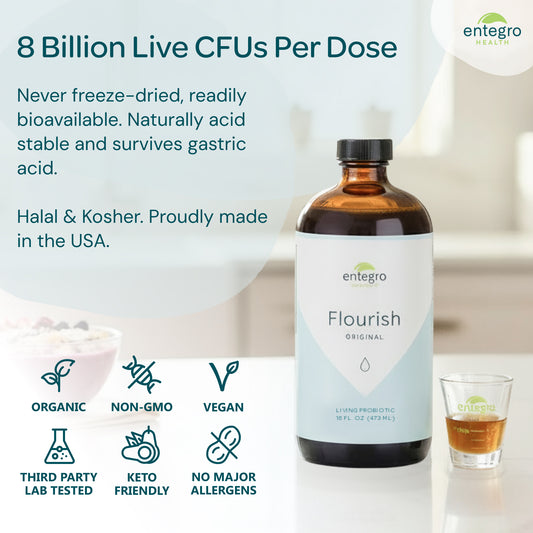
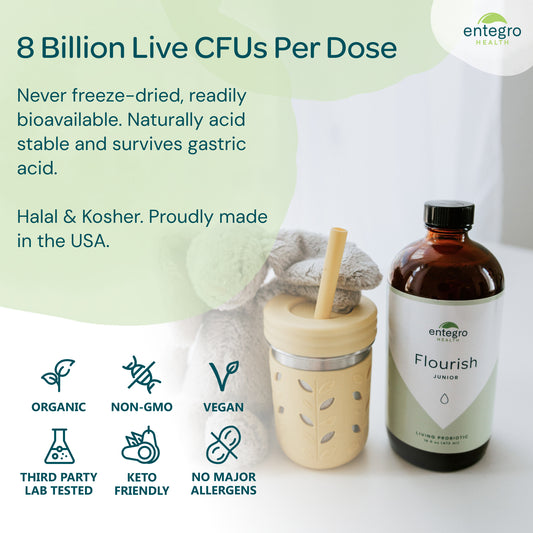
Wobbly Bottles and Extra Active Batches Explained
Sometimes a bottle of Flourish arrives with a bulging base, or a little liquid around the cap. That is not a defect. It is the product doing exactly what it is supposed to do.
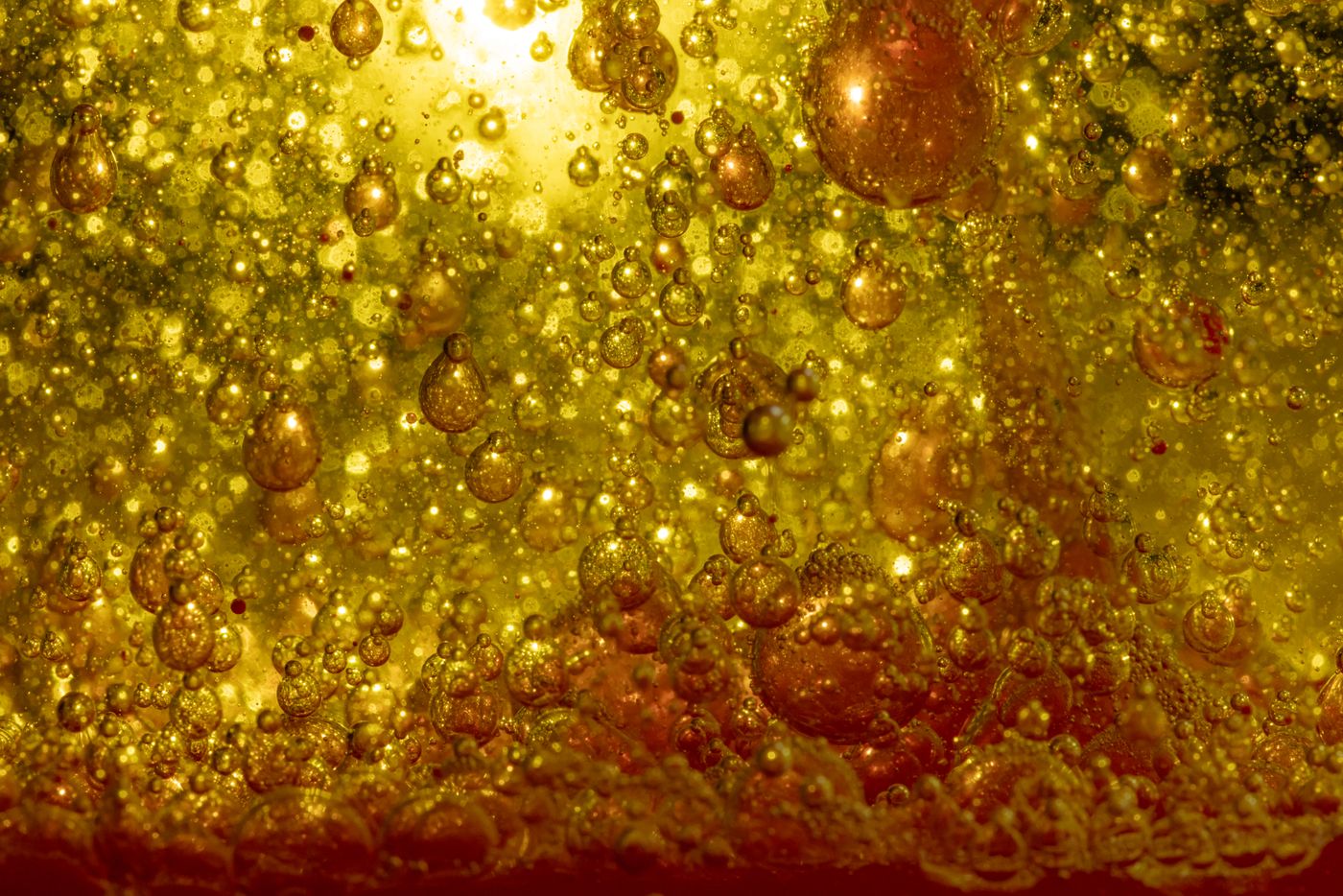
Photo: Solen Feyissa/ https://www.pexels.com
Most probiotics are freeze-dried into dormancy and packed as powder. Flourish is not. The cultures stay alive in the liquid they grew in, from fermentation to the moment you pour a tablespoon. Which means they are still eating, still metabolizing, and still producing gas while the bottle is in a box on a truck.
Here is what is happening in there, why warm weather makes it worse, what to do about it, and what to do in the rarer case where a bottle has actually leaked.
Flourish is a dietary supplement made to support digestive and microbiome health. This article is about how the product behaves and how it is made and tested. It is not medical advice.
What the gas actually is

Photo: Juan Luna/ https://www.pexels.com
Carbon dioxide. The same gas that carbonates beer, kombucha and sparkling wine, made the same way — by microorganisms fermenting sugar.
Not every organism in the bottle makes it, which is a detail worth getting right:
Who is making the bubbles
- The yeast does most of the work. Saccharomyces cerevisiae converts sugar to ethanol and carbon dioxide, one molecule of each per molecule of sugar consumed. It also ferments even when oxygen is available, so a bit of headspace air does not slow it down.1
- Some of the bacteria do too. Limosilactobacillus fermentum — what used to be called Lactobacillus fermentum before the 2020 reclassification split that genus into 252 — runs a gas-producing fermentation route. Bacillus subtilis releases some as well, through the pathway that makes acetoin and 2,3-butanediol.3
- Some make none at all. The bifidobacteria run a distinctive pathway called the bifid shunt, which was worked out in 1967 by showing they lack two enzymes other bacteria use. The step that would release carbon dioxide simply is not there.4
How much pressure that adds up to
Enough to matter, and the arithmetic is well established. Champagne is made by adding about 24 grams of sugar per liter to a base wine and letting yeast ferment it in a sealed bottle. That produces roughly 11.5 grams of dissolved CO₂ per liter and about 6 bar of pressure — which is why the cork needs a wire cage.5,6
Roughly four grams of fermented sugar produces about one bar of pressure.
Flourish is grown on sugarcane molasses or sweet sorghum, and molasses is about three-quarters sugar by weight.7 Only a small fraction of that is left unconsumed by bottling time — but a small fraction of a very sugary substrate is still enough to put a soda-like pressure behind the cap. For comparison, commercially carbonated bottled waters carry between about 3 and 7 grams of CO₂ per liter.8
One thing we like about this
Gas pressure in a sealed vessel is a direct physical readout of how much fermenting has gone on — researchers have used exactly that, measuring pressure to track ethanol and lactate production in yeast and bacterial cultures.9 So a firm bottle is not a fault report. It is a receipt.
Why a warm truck is usually the culprit

Photo: Ron Lach/ https://www.pexels.com
Two things happen when a sealed bottle gets warm, and they push the same way.
The first is obvious: warmth speeds the cultures up, so they make more gas. The second is the one people miss, and it is the bigger and faster effect. Carbon dioxide is far more soluble in cold liquid than in warm. At refrigerator temperature water holds roughly 1.6 times as much dissolved CO₂ per unit of pressure as it does at room temperature, and more than three times as much as it does at the temperature a parcel can reach in a closed vehicle on a hot day.10
So a bottle that was perfectly flat in a cool warehouse can arrive with its base pushed out, without a single extra bacterium having done anything. The gas was always there. Heat simply drove it out of solution and into the headspace.
What to do with a firm or bulging bottle
- Refrigerate it before you open it. This is not a nicety. Cooling drives the gas back into solution, and the pressure pushing on the cap and the base drops by roughly half.10
- Then open it cold, and open it slowly. Crack the cap a little, let it hiss, wait, and crack it again. A warm pressurized bottle opened fast is a bottle that gushes.
- Expect the base to flatten out. Once the pressure is released, a bulged bottom usually settles back to normal.
- Keep it refrigerated after opening. Cold slows the cultures down and keeps the gas where you want it.
If your bottle leaked in transit
Less often, pressure vents a little liquid past the cap. We overfill every bottle specifically so that a small loss still leaves you a full count of servings.
A bottle that has vented a small amount but is still sealed, and looks, smells and tastes the way it should, is fine to use. Flourish’s own acidity is the main reason: a live lactic ferment sits below the pH at which the common foodborne pathogens can grow at all. FDA publishes the thresholds — the lowest pH at which Salmonella will grow is 3.7, E. coli 4.0, Listeria 4.4, Clostridium botulinum 4.6.11 A vigorous ferment sits under all of them, and batch pH is one of the things our lab work covers.
Before you drink it
We cannot promise that nothing ever gets into a bottle that has leaked. Any container that has vented has, for a moment, stopped being a sealed container, and the packaging research is clear that microbial ingress does not require a vacuum to pull it in — it happens through channels smaller than a red blood cell, at ordinary atmospheric pressure.12 There is no leak rate above zero at which the probability of ingress is zero.13
So here is what we would rather you do.
- Wipe the cap and neck with a clean damp cloth before opening, so nothing from the outside of the bottle ends up inside it.
- Use your senses. Flourish should smell tangy and yeasty — think sourdough starter or cider — and taste sharp and a little sweet. Fizz, cloudiness, sediment and a bulged base are all normal.
- Do not drink it, and contact us instead, if the cap is loose, cracked or no longer seals; if there is visible mold or a film on the surface; if it smells putrid, solvent-like or otherwise wrong rather than simply sour; or if the bottle arrived obviously damaged.
- If any of that applies, do not taste it to check. Send us a photo and your order number and we will replace it. A replacement bottle costs us a great deal less than your uncertainty.
Why no two batches taste quite the same
Photo: Prerna Singh/ https://www.pexels.com
Flavor and fizz vary from batch to batch, and this is the part of the process we are least able to standardize — deliberately.
The raw ingredients are agricultural
Molasses and sweet sorghum are crops. Think of a vineyard: the same rows, the same vines, and a different wine every year depending on sun, rain, heat and soil. Sugar content, mineral profile and flavor compounds all shift from harvest to harvest, and our cultures taste the difference even when you barely do. We set specifications each raw ingredient has to meet, and within those specifications we let the variation through rather than engineering it out.
And we let the cultures set their own pH
Most industrial fermentation controls pH by adding a neutralizing agent as the acid builds up. It works: holding pH near the optimum reliably produces more biomass per batch. We do not do it, and it costs us cell count.
What we get for that
A population that grew up in acid. There is a well-established literature on the acid tolerance response in lactic acid bacteria: cells exposed to mild acid stress remodel their membrane lipids, accumulate protective solutes and switch on stress proteins, and the result is greater tolerance not only of acid but, through cross-protection, of other stresses too.14,15,16
The honest caveat is that this effect is described as strain-dependent,16 and we have not tested whether it improves survival through the stomach in our own product. When we have, we will say so.
What actually moves a batch, and what does not
The variables that genuinely change how a batch turns out are time, temperature, the raw ingredients, and the mother culture as it shifts through the year. Of those, time and temperature are the two we actively control.
Atmospheric pressure gets mentioned in fermentation folklore, and it is at least a real physical variable — gas solubility does depend on it. But the swing from ordinary weather is on the order of a few percent, which is nothing next to a ten-degree temperature change or a different molasses delivery. It is not what makes one batch fizzier than the last.
How every batch gets tested
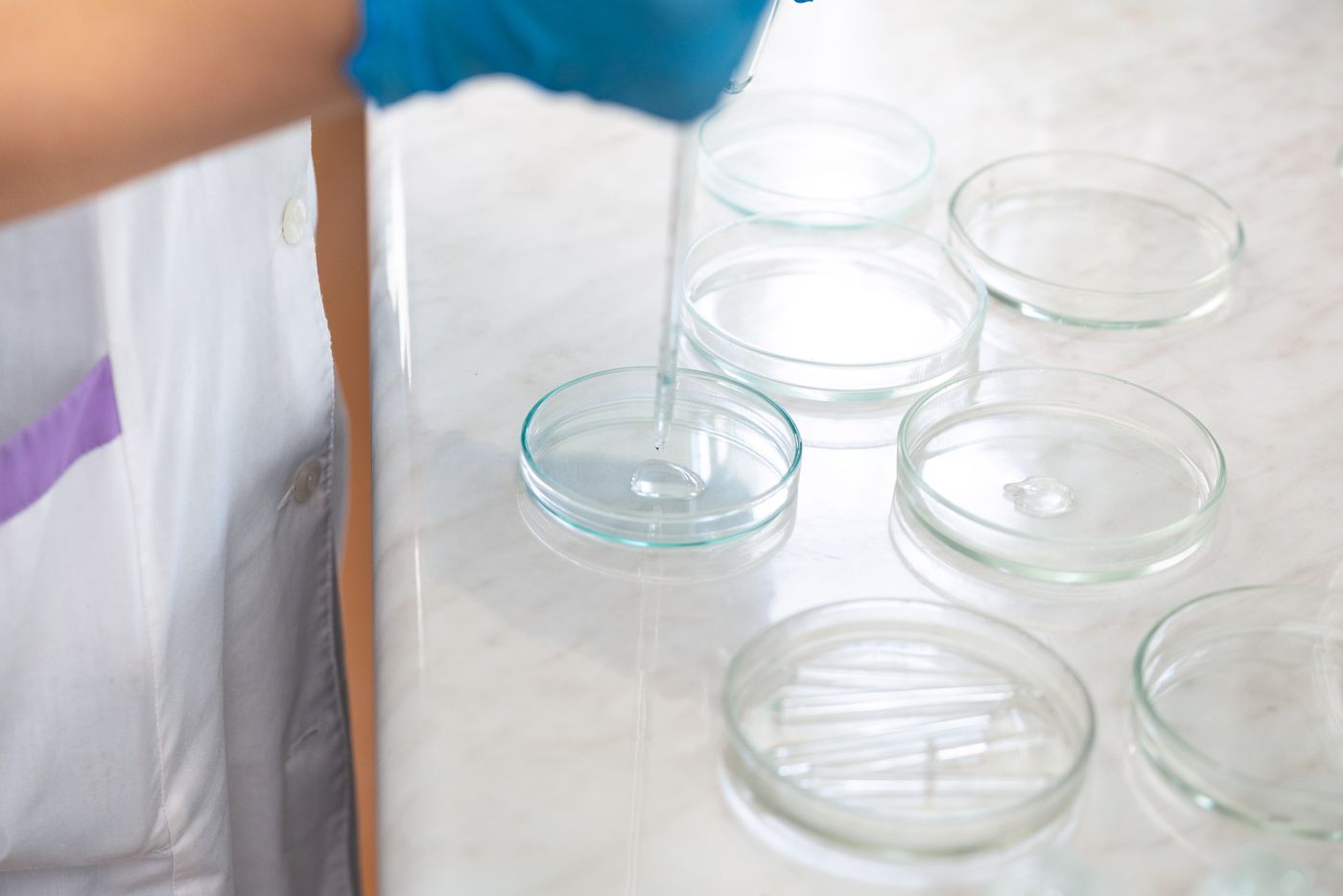
Photo: Ivan S/ https://www.pexels.com
Every batch goes to an independent laboratory twice — once mid-production and once at final bottling. They screen for organisms that should not be there, and they confirm the live count meets our minimum. A batch that fails either check does not ship.
Worth being precise about what a live count is and is not, though, because plate counting has real limits:
What a colony count can and cannot tell you
- It counts colony-forming units, not cells. Bacteria that grow in chains or clumps produce one colony from many cells, so a count is a floor, not a census.
- Some live cells will not grow on a plate. Stressed but viable organisms can fail to form colonies while still being alive.
- Mixed cultures are genuinely hard. Separating eleven organisms on selective media is difficult, and no medium is perfectly selective.
- Our count is stated at time of bottling. That is the industry convention and it is what we can measure directly. Live cultures do decline over shelf life, which is a known feature of every live product17 — another reason to keep the bottle cold.
The bottle in your hand

Eleven live cultures — ten bacterial species plus the yeast Saccharomyces cerevisiae — grown together on non-GMO sugarcane molasses or sweet sorghum, never freeze-dried, and third-party tested batch by batch.
The fizz, the tartness, the sediment and the occasional wobbly base are all the same fact reported four different ways: there is something alive in there. A product that never varied would be a product that was not.
Important information
Flourish is a dietary supplement made to support digestive and microbiome health. It is not intended to diagnose, treat, cure or prevent any condition. Follow the dosage on the label. Check with your doctor before starting a new supplement, and with your pediatrician before giving one to a child.
Questions about a bottle?
If something about your delivery does not look right, get in touch before you open it. We would rather replace a bottle than have you wondering.
A few questions we hear a lot
Is a bulging bottle safe?
A sealed bottle with a bulged base is normal for a live ferment. Refrigerate it, open it slowly, and the base will usually flatten out. If the cap is loose or damaged, or anything about the smell or appearance is off, contact us instead.
Why does mine fizz more than my last one?
Batch variation and temperature. A different molasses delivery, a warmer shipping route or a longer time in transit will all change how much gas is in the bottle when it reaches you.
Does Flourish contain alcohol?
Yeast fermentation produces ethanol alongside carbon dioxide — that is simply what the chemistry does, and it is true of any live fermented food, from kombucha to sourdough.1 The amounts here are trace.
Why is the flavor different from the last bottle?
The raw ingredients are agricultural and the mother culture shifts through the year. We set specifications and then let the natural variation through, which is the same reason two vintages from one vineyard taste different.
Should I shake it?
Gently invert it if there is sediment, and only after the pressure is released. Shaking a pressurized bottle before opening it is how you end up wearing it.
Does it need to be refrigerated?
Refrigeration keeps the cultures slower, the gas dissolved and the flavor steadier. Follow the storage guidance on your label, and refrigerate after opening.
What does “at time of bottling” mean on the label?
It means the live count was measured at bottling, which is the point we can measure it directly. Live cultures decline gradually over shelf life in any live product17 — keeping the bottle cold slows that down.
About this article
Written by: Kelsy Armstrong, Entegro Health | Originally published: June 2024
Important information
This article is for general education and isn’t a substitute for professional medical advice, diagnosis, or treatment. Nothing here treats or prevents any condition. If you have a health concern, please speak to a qualified health professional.
These statements have not been evaluated by the Food and Drug Administration. This product is not intended to diagnose, treat, cure, or prevent any disease.
Sources
- De Deken, R. H. (1966). The Crabtree effect: a regulatory system in yeast. Journal of General Microbiology, 44(2), 149–156 — establishes that Saccharomyces cerevisiae ferments sugar to ethanol and carbon dioxide even in the presence of oxygen when sugar is abundant. Source
- Zheng, J., Wittouck, S., Salvetti, E., et al. (2020). A taxonomic note on the genus Lactobacillus: description of 23 novel genera, emended description of the genus Lactobacillus Beijerinck 1901, and union of Lactobacillaceae and Leuconostocaceae. International Journal of Systematic and Evolutionary Microbiology, 70(4), 2782–2858 — the reclassification of Lactobacillus into 25 genera; L. fermentum becomes Limosilactobacillus fermentum. Source
- Cruz Ramos, H., Hoffmann, T., Marino, M., et al. (2000). Fermentative metabolism of Bacillus subtilis: physiology and regulation of gene expression. Journal of Bacteriology, 182(11), 3072–3080 — lactate, acetate and 2,3-butanediol identified as the major anaerobic fermentation products; 2,3-butanediol formation proceeds via acetolactate synthase and decarboxylase, both of which release carbon dioxide. Source
- de Vries, W., & Stouthamer, A. H. (1967). Pathway of glucose fermentation in relation to the taxonomy of bifidobacteria. Journal of Bacteriology, 93(2), 574–576 — bifidobacteria possess fructose-6-phosphate phosphoketolase and lack both aldolase and glucose-6-phosphate dehydrogenase, so the decarboxylation step that releases carbon dioxide in other lactic acid bacteria is absent. See also Pokusaeva, K., et al. (2011), Genes & Nutrition, 6(3), 285–306. Source
- Liger-Belair, G., Khenniche, C., Poteau, C., Bailleul, C., Thollin, V., & Cilindre, C. (2023). Losses of yeast-fermented carbon dioxide during prolonged Champagne aging: yes, the bottle size does matter! ACS Omega, 8(25), 22844–22853 — the second fermentation is launched with 24 g/L of fermentable sugar and reaches approximately 6 bar of gas-phase CO₂ at 12 °C. Source
- Liger-Belair, G., & Villaume, S. (2011). Losses of dissolved CO₂ through the cork stopper during Champagne aging: toward a multiparameter modeling. Journal of Agricultural and Food Chemistry, 59(8), 4051–4056 — reports initial dissolved carbon dioxide close to 11.5 g/L, which matches the stoichiometric prediction from 24 g/L of fermented sugar. Source
- US Department of Agriculture, FoodData Central, entry 168820 (Molasses) — 74.7 g total sugars per 100 g. Source
- Liger-Belair, G. (2019). Carbon dioxide in bottled carbonated waters and subsequent bubble nucleation under standard tasting condition. Journal of Agricultural and Food Chemistry, 67(16), 4560–4567 — three commercial carbonated bottled waters holding dissolved carbon dioxide of between about 3 g/L and 7 g/L; also measures the strong temperature dependence of headspace pressure in a sealed bottle. Source
- Wick, M., & Lebeault, J. M. (2001). Pressure measurement to evaluate ethanol or lactic acid production during glucose fermentation by yeast or heterofermentative bacteria in pure and mixed culture. Applied Microbiology and Biotechnology, 56(5–6), 687–692 — “good correlations were found between gas pressure variations and ethanol or lactate production.” Source
- Sander, R. (2015). Compilation of Henry’s law constants (version 4.0) for water as solvent. Atmospheric Chemistry and Physics, 15(8), 4399–4981 — the reference compilation for gas solubility. Carbon dioxide is roughly 1.6 times more soluble in water at 4 °C than at 20 °C, and roughly 3.4 times more soluble at 4 °C than at 50 °C. Cross-checked against Carroll, J. J., Slupsky, J. D., & Mather, A. E. (1991), Journal of Physical and Chemical Reference Data, 20(6), 1201–1209. Source
- US Food and Drug Administration, Fish and Fishery Products Hazards and Controls Guidance, Appendix 4, Table A-1, “Limiting Conditions for Pathogen Growth” — minimum pH for growth: Salmonella spp. 3.7; pathogenic E. coli 4.0; Staphylococcus aureus 4.0; Bacillus cereus 4.3; Listeria monocytogenes 4.4; Clostridium botulinum type A and proteolytic B and F 4.6. Source
- McEldowney, S., & Fletcher, M. (1990). The effect of physical and microbiological factors on food container leakage. Journal of Applied Bacteriology, 69(2), 190–205 — bacterial leakage occurred through channels of 0.78 to 120 µm² and was greater under partial vacuum than at atmospheric pressure, establishing that ingress happens at atmospheric pressure and that vacuum accelerates rather than causes it. See also Put, H. M. C., Witvoet, H. J., & Warner, W. R. (1980), Journal of Food Protection, 43(6), 488–497, on leaker spoilage during cooling. Source
- Kirsch, L. E., Nguyen, L., Moeckly, C. S., & Gerth, R. (1997). Pharmaceutical container/closure integrity II: the relationship between microbial ingress and helium leak rates in rubber-stoppered glass vials. PDA Journal of Pharmaceutical Science and Technology, 51(5), 195–202 — relates measurable leak rate to the probability of microbial ingress; the probability falls as leak rate falls but does not reach zero above a zero leak rate. Source
- Cotter, P. D., & Hill, C. (2003). Surviving the acid test: responses of gram-positive bacteria to low pH. Microbiology and Molecular Biology Reviews, 67(3), 429–453 — the foundational review of the acid tolerance response and acid adaptation in Gram-positive bacteria. Source
- Papadimitriou, K., Alegría, Á., Bron, P. A., et al. (2016). Stress physiology of lactic acid bacteria. Microbiology and Molecular Biology Reviews, 80(3), 837–890 — the current comprehensive review of stress responses in lactic acid bacteria, including membrane remodelling, compatible solute accumulation and stress protein induction. See also van de Guchte, M., et al. (2002), Antonie van Leeuwenhoek, 82(1–4), 187–216. Source
- Gao, X., Kong, J., Zhu, H., Mao, B., Cui, S., & Zhao, J. (2022). Lactobacillus, Bifidobacterium and Lactococcus response to environmental stress: mechanisms and application of cross-protection to improve resistance against freeze-drying. Journal of Applied Microbiology, 132(2), 802–821 — “protective pretreatment under various mild stresses can be applied to lactic acid bacteria which may enhance resistance in a strain-dependent manner”; resistance to technological stress can be enhanced via cross-protection. Source
- Salminen, S., Collado, M. C., Endo, A., et al. (2021). The International Scientific Association of Probiotics and Prebiotics (ISAPP) consensus statement on the definition and scope of postbiotics. Nature Reviews Gastroenterology & Hepatology, 18(9), 649–667 — notes that for products with a long shelf life, probiotic die-off during storage is inevitable, and raises the question of what the labelled count at manufacture means at the end of shelf life. Source