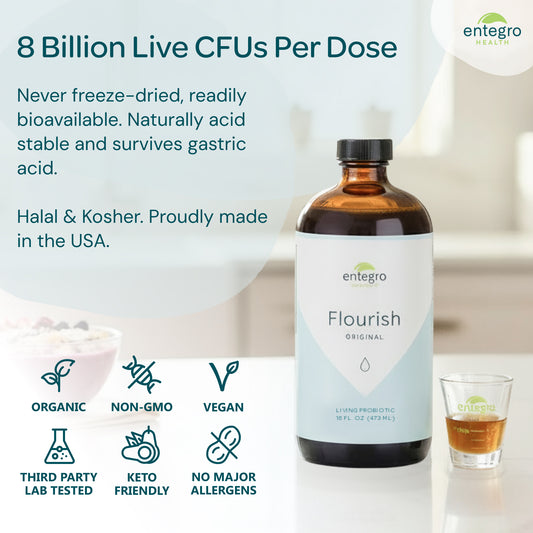
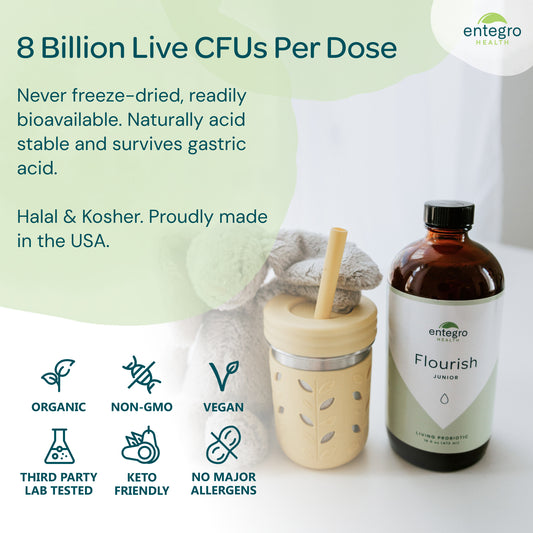
Flourish: The Art of the Brew
Brewing a living probiotic comes down to three things: time, temperature, and what you feed it. Get those right and the bacteria build their own ideal environment. Your job is mostly to wait.

The brew process behind Flourish Original and Flourish Junior lets the bacteria create the environment that keeps them growing. Not a lab condition we impose on them — one they make for themselves, and then live in.
Every small batch is mixed by hand and then patiently waited upon. That waiting is the actual work.
During the fermentation growth phase, the bacteria produce the conditions they prefer. And once they've made them, they keep going — still growing after bottling, still growing in the box, still growing when it reaches your door.
So what actually controls a brew?
Three levers. That's genuinely it.
Time
Start to finish, each batch takes about two weeks. There isn't a way to hurry it that doesn't cost you something.

Temperature
The happy bugs are tucked into a warm Goldilocks environment — not too hot, not too cold.
The band is narrower than that sounds. Our bacteria are mesophilic, literally "middle-loving," which means they grow best somewhere between about 20°C and 45°C, with the sweet spot near 37°C — human body temperature.1 Which is convenient, given where they're eventually headed.
Food source
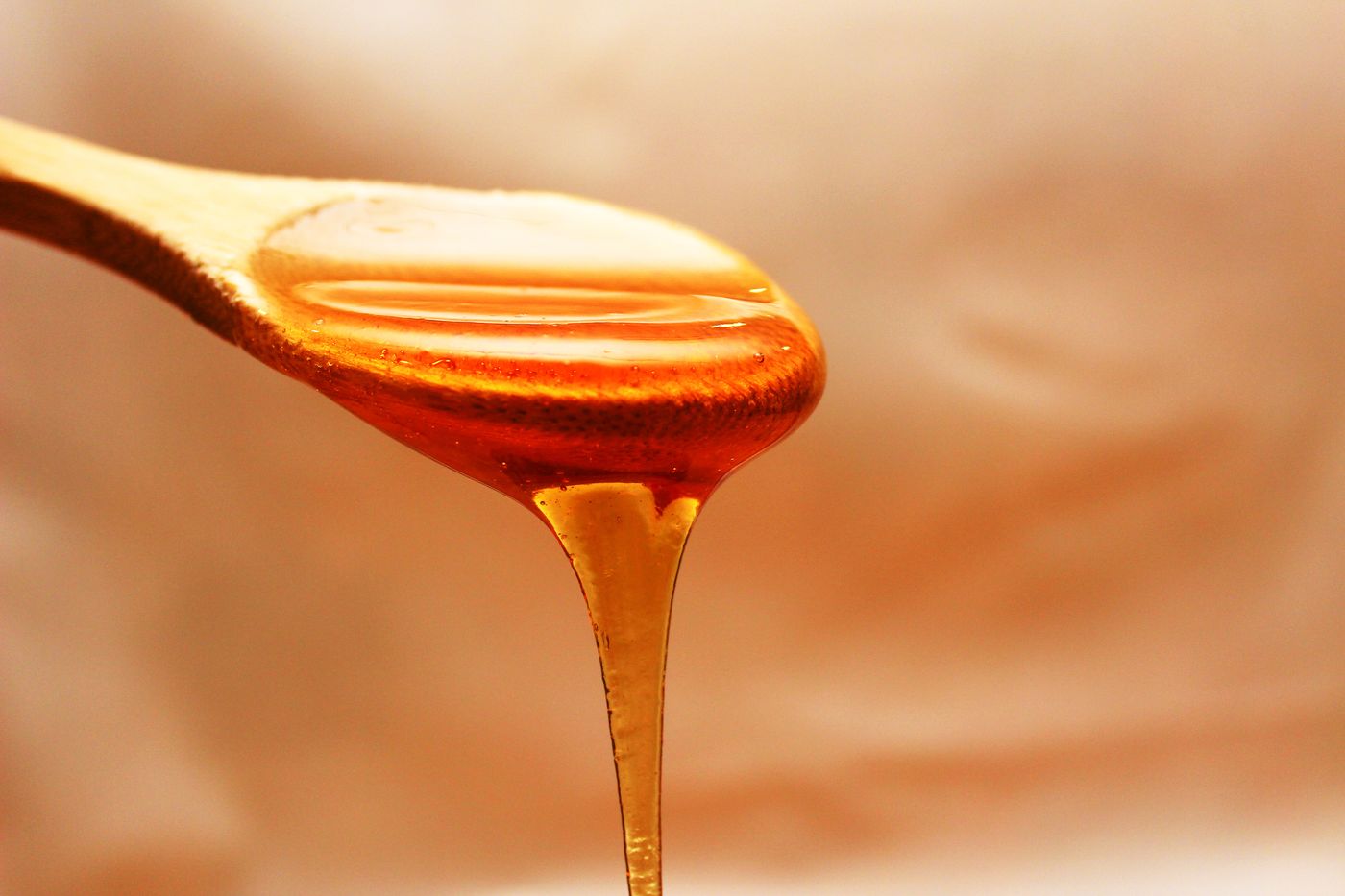
Flourish Original is brewed on non-GMO organic molasses. Flourish Junior is brewed on locally sourced non-GMO sweet sorghum.
That single difference is why Original tastes stout and properly fermented while Junior comes out sweet, closer to apple cider. Same eleven strains in both — it's a flavor choice, not an age one.
Change any one of those three and you get a different ferment. Which is why we don't change them.
Why does every bottle taste a little different?
Small batches aren't a marketing decision so much as a consequence. Fermentation is a living process, and at this scale you can actually watch it happen.

Flavor, aroma and culture count vary from batch to batch, which is simply what occurs when the thing making your product is alive. A standardized industrial product would be easier to promise. It would also mean we'd stopped doing the thing that makes this worth doing.
Are the strains chosen, or just collected?
Chosen. The bacteria strains in Flourish are by design — eleven of them, from five families, and three things guided which ones made it in.
Diverse
Eleven strains across five families gives a broad ecosystem rather than a single organism doing all the work. If you'd like to meet them properly, we gave each one a card in Get to Know Your Probiotics.
Synergic
They live and grow together rather than being cultured separately and blended later. Several were picked chiefly because they're good neighbors — organisms that do better beside each other than alone.
That isn't marketing language. Streptococcus thermophilus and Lactobacillus bulgaricus, both in the bottle, are the textbook example: microbiologists call their exchange protocooperation, and each supplies compounds the other needs.2
Beneficial
Each strain was selected for its role in supporting the human microbiome. Worth saying plainly, though: probiotic effects are strain-specific, so a result shown for one organism doesn't automatically transfer to another.3 Anyone who tells you otherwise is selling something — and yes, we're aware of the irony.
Why keep it alive at all?
Keeping the blend living, in the environment it regulates itself, is a deliberate choice rather than a shortcut. Freeze-drying would be easier. It would also cost us both of the following.
The bacteria stay awake. Never freeze-dried. Because they keep growing after bottling, what arrives at your door is still changing — which is also why the storage guidance on the label matters and why no two batches are identical.
The broth stays in. Every bottle carries the metabolites produced across the whole growth process — short-chain fatty acids, peptides, amino acids, enzymes and minerals. In a conventional process that liquid is spun off in a centrifuge and discarded. Here it's most of what you're drinking.
About that acidity
The bacteria make their own acidic environment as they ferment, and they've lived in it their entire existence. So when they reach your stomach, low pH isn't a shock — it's Tuesday. That's why a living liquid doesn't need enteric coating or double encapsulation.
To be accurate about it: your stomach is a great deal more acidic than the bottle. Normal gastric fluid runs about pH 1.5 to 3.5.4 The point was never that the two match — it's that acid-adapted bacteria handle the trip better than freeze-dried powder waking up cold.5
What has to happen before a batch ships?
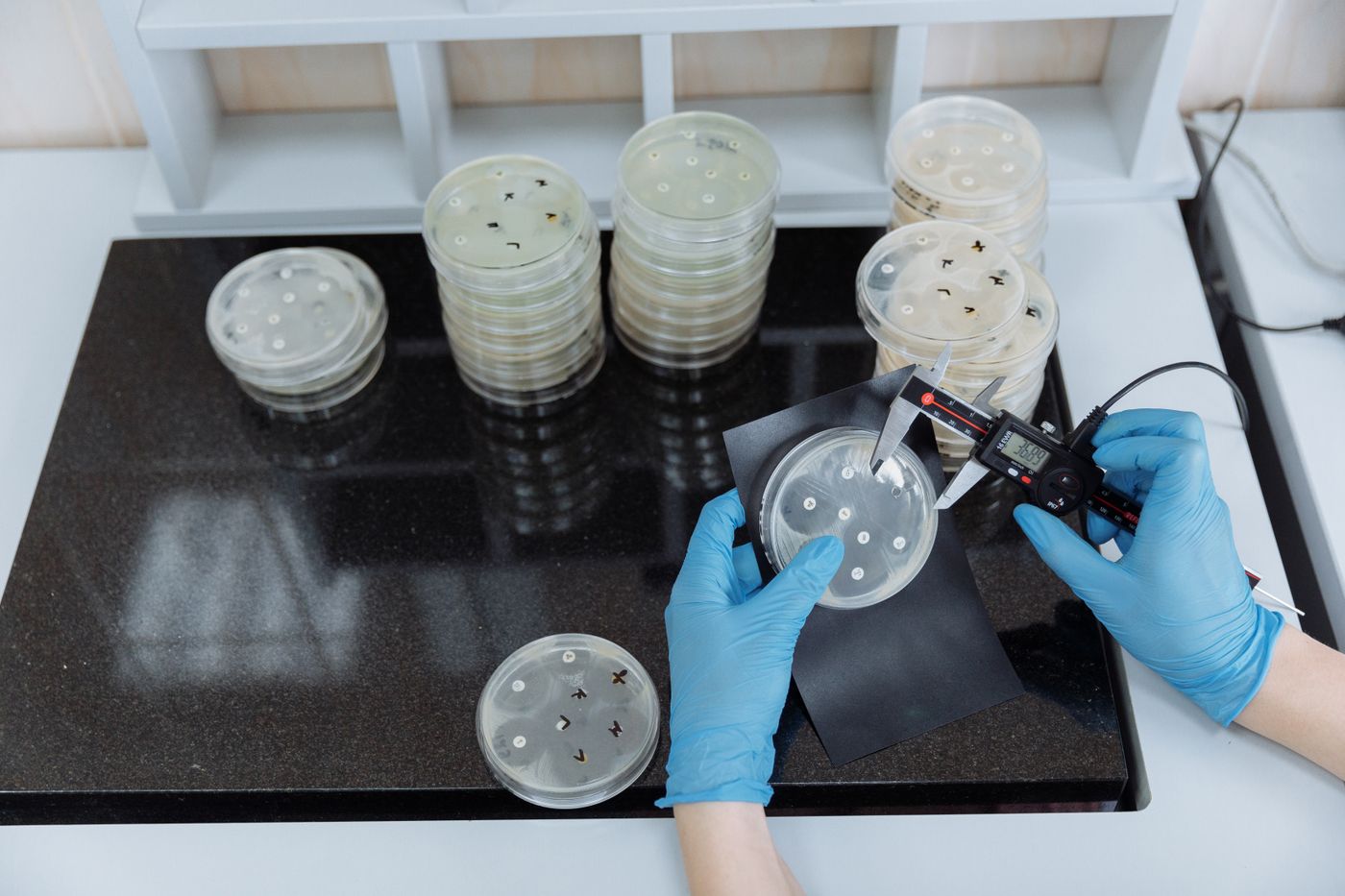
Nothing leaves until it's cleared. Each batch passes an in-house test plus third-party testing, confirming a minimum of 8 billion CFUs per tablespoon and the absence of harmful bacteria. The full walkthrough — raw ingredients, mother culture, bottling, cold storage — is in The Flourish Way.

Then it goes in the box, still working, and carries on doing so until you open it.
Flourish is a dietary supplement made to support digestive and microbiome health. It isn't a treatment for any condition. Check with your doctor before starting a new supplement, and with your pediatrician before giving one to a child.

Ready to try a living probiotic?
Eleven living strains. One daily shot. For the whole family.
Shop Flourish Original · Shop Flourish Junior · Why we keep it liquid
A few questions we hear a lot
How long does a batch take?
About two weeks from start to finish, fermenting at varying temperatures throughout. There's no fast version.
Why does my bottle taste different from the last one?
Because it's a living, small-batch ferment rather than a standardized industrial product. Flavor, aroma and culture count vary between batches. That variation is the process working, not a fault.
What's the difference between the molasses and sorghum versions?
Taste, and only taste. Original ferments on molasses and comes out stout; Junior ferments on sorghum and comes out sweet. Same eleven strains, same process, same testing.
Is Flourish as acidic as stomach acid?
No — your stomach is considerably more acidic, at roughly pH 1.5 to 3.5.4 What matters is that our bacteria were grown in acidic conditions rather than freeze-dried, so gastric acid isn't a new stress for them.
Do the bacteria really keep growing in the bottle?
Yes. It's a living liquid, not a suspension of dormant cells — which is why storage guidance on the label matters and why no two batches are identical.
Why not just freeze-dry it like everyone else?
Freeze-drying makes a tidy, shelf-stable capsule — but it puts the bacteria to sleep and discards the broth they grew in, along with everything they made while growing. We'd rather keep both.
About this article
Written by: Lorilyn Van Dyke, Entegro Health | Originally published: September 2020
Important information
This article is for general education and isn't a substitute for professional medical advice, diagnosis, or treatment. Always seek the advice of your physician or another qualified health provider with any questions regarding a medical condition, and before starting a new supplement. These statements have not been evaluated by the Food and Drug Administration. This product is not intended to diagnose, treat, cure, or prevent any disease.
Sources
- OpenStax / Lumen Learning. Temperature and Microbial Growth — mesophiles grow optimally between about 20°C and 45°C; normal human microbiota including Lactobacillus spp. are mesophiles. Source
- Sieuwerts, S., Molenaar, D., van Hijum, S. A. F. T., et al. (2010). Mixed-culture transcriptome analysis reveals the molecular basis of mixed-culture growth in Streptococcus thermophilus and Lactobacillus bulgaricus. Applied and Environmental Microbiology, 76(23), 7775–7784. Source
- Hill, C., Guarner, F., Reid, G., et al. (2014). The International Scientific Association for Probiotics and Prebiotics consensus statement on the scope and appropriate use of the term probiotic. Nature Reviews Gastroenterology & Hepatology, 11, 506–514. Source
- Stomach acid test — normal gastric fluid pH 1.5 to 3.5. A.D.A.M. medical encyclopedia content, UF Health. Source
- Bermudez-Brito, M., Plaza-Díaz, J., Muñoz-Quezada, S., Gómez-Llorente, C., & Gil, A. (2012). Probiotic mechanisms of action. Annals of Nutrition and Metabolism, 61(2), 160–174. Source