Probiotics for Constipation
Regularity is one of those things nobody thinks about until it stops happening. Here is what actually moves the needle — and where probiotics genuinely sit in that list.

Photo: Arina Krasnikova/ https://www.pexels.com
Occasional constipation is close to universal. Travel does it. A change of routine does it. A week of eating differently does it. Most of the time it sorts itself out, and the interesting question is what actually helps when it does not.
Probiotics come up constantly in that conversation. The research on them is real, the size of the effect is modest, and all of it makes more sense once you know what the gut is doing in the first place.
This article is about occasional constipation and everyday regularity. Flourish is a dietary supplement, not a medicine, and it is not intended to treat chronic constipation or any other medical condition. Constipation that is new, persistent or severe should be assessed by a healthcare professional.
What “regular” actually means

Photo: cottonbro studio/ https://www.pexels.com
Start with the number, because a lot of unnecessary worry lives here. There is no daily quota. The accepted normal range runs from about three bowel movements a day to about three a week, and the whole of that range is ordinary.1
What happens in between is mostly about water and time. Material arriving in the colon is fluid. The colon absorbs water from it as it goes, and stool firms up along the way. Transit speed and water content are therefore two sides of the same thing: material that moves slowly has longer to dry out.1
Transit time and stool consistency are the same story told two ways.
That relationship also explains something that matters later. Transit speed is one of the strongest known influences on which bacteria thrive in your colon. In a study of 1,106 people, stool consistency had a larger effect on gut microbiome composition than any of the other 68 factors measured.2 Measure transit directly with swallowed markers and the same thing shows up: slower transit shifts colonic metabolism away from fermenting carbohydrate and toward breaking down protein.3
Why it happens
The usual list of causes is broadly right and usually missing the most important entries.
The causes that come up most
- A change in routine. Travel, shift work, a different schedule, a different bathroom. Unglamorous, extremely common, and usually self-correcting.
- Repeatedly ignoring the urge. Putting it off is a real mechanism, and it is the one most within anyone’s control.
- Medications. Opioid painkillers are the big one — constipation is so characteristic of them that it has its own diagnostic category, and in a review of 150,488 people with non-cancer pain, a third had drug-induced constipation.4,5 Also tricyclic antidepressants, anticholinergics, some antipsychotics, calcium channel blockers such as verapamil, oral iron, and calcium- or aluminum-containing antacids.1 If you think a medication is the cause, talk to whoever prescribed it rather than stopping it yourself.
- Diet. Fiber matters, but less simply than the usual advice implies — see the next section.
- Being less active, particularly in older adults. The association is real, though the things that travel with low activity — medications, eating less, other conditions — probably do some of the work.6
- Pregnancy, age and being female are all associated with higher rates.7
- A muscle-coordination problem at the outlet. Some people have difficulty coordinating the pelvic floor during defecation. It is worth knowing about because it does not respond to fiber, laxatives or supplements — it responds to biofeedback training, and it needs a proper assessment to identify.8
And one that gets stated more confidently than the evidence allows
Dehydration. The version everyone repeats — drink more water and constipation improves — does not survive contact with the literature. A review of the myths in this field puts it bluntly: there is no evidence that constipation can be successfully treated by increasing fluid intake unless there is evidence of dehydration.6 If you are genuinely dehydrated, stools do get harder. If you are already drinking enough, drinking more has not been shown to help.
There is one interesting exception, and it is about minerals rather than hydration: water high in magnesium and sulfate produced a better response than low-mineral water across trials in 539 people.9 That is an osmotic effect from the minerals, which is how magnesium-based laxatives work — not a hydration effect.
What actually helps, starting with the things that are not supplements
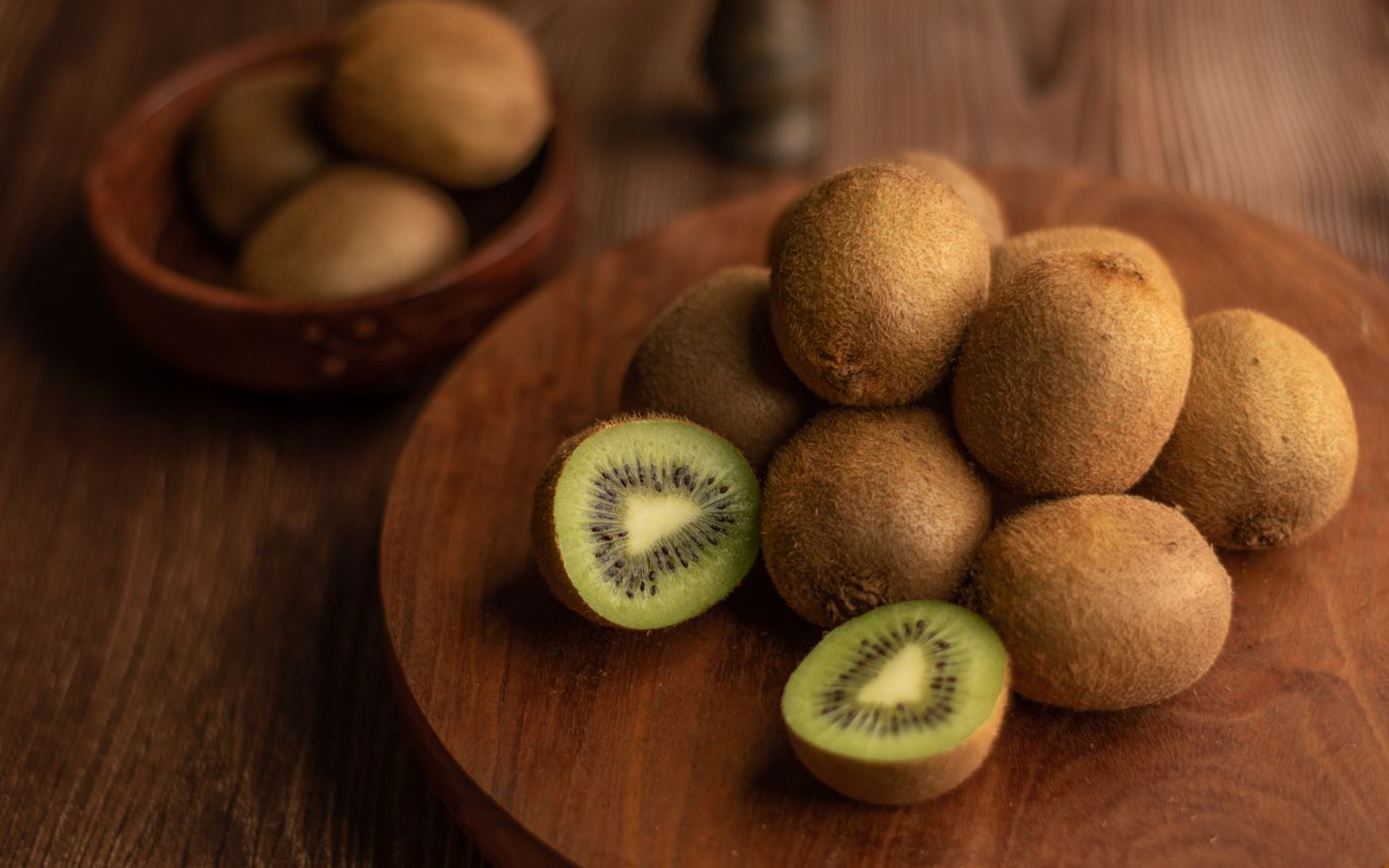
Photo: Pranjall Kumar/ https://www.pexels.com
Fiber — but the type and the dose decide it
Pooled across 16 trials in 1,251 people, fiber supplements raised the proportion of people who responded to treatment from 41% to 66%, and improved stool frequency.10 The details are where it gets useful:
What the fiber evidence actually says
- Psyllium has the strongest evidence. Soluble, gel-forming fiber outperforms the alternatives, and it is the one dietetic guidelines make a strong recommendation for.11
- Dose matters, sharply. Above 10 g a day, response improved substantially; at or below 10 g a day, it did not improve at all.11
- Give it four weeks. Trials of at least four weeks performed best.10
- Wheat bran is not the answer despite being what most people mean by “fiber.” The current guideline found only one trial of it — not enough to say anything.11
- It will probably make you gassier. Flatulence increased substantially in the pooled analysis.10 Worth knowing before you conclude something has gone wrong.
- More is not always better. In people with more severe constipation, adding fiber can make symptoms worse.6
Kiwifruit, the quiet standout
Across 23 studies in 1,714 people, fruit beat psyllium on stool frequency — and kiwifruit specifically accounted for the effect, at about a third of an extra bowel movement per week over psyllium.9 Two kiwifruit a day is the usual amount studied. Rye bread also beat white bread. Prunes, for what it is worth, were no better than psyllium in that analysis.
Routine
Less measurable and genuinely useful: a consistent time, unhurried, ideally after a meal, and going when the urge arrives rather than filing it for later.
What the probiotic research shows

Photo: Ron Lach/ https://www.pexels.com
This is the part where the numbers matter more than the adjectives.
What the meta-analyses found
Three large pooled analyses of adults with constipation agree on direction and roughly on size. Whole gut transit time came down by about 12 to 14 hours.12,13 Stool frequency went up by roughly one extra bowel movement per week — 0.98 in one analysis, 1.3 in another, 0.83 in a third.12,13,14
One extra bowel movement per week is a real effect and a small one. Keep the number in view: “statistically significant” and “you will notice a difference” are not the same statement.
And what happens when you look harder
The publication-bias problem
The third of those analyses — 21 studies, 2,656 people — tested its own results for publication bias and found it, significantly. When the authors corrected for it, the stool-frequency benefit fell from 0.83 extra bowel movements a week to 0.30, with a confidence interval of −0.01 to 0.62. At that point it is no longer statistically significant, and it amounts to roughly one extra bowel movement every three weeks.14
The same analysis measured statistical heterogeneity at 85% for stool frequency and 66% for transit time, and its authors concluded that the results “should be interpreted with caution.”14 It is also worth knowing that this analysis was funded by a probiotic ingredient supplier and two of its three authors worked there.
Stool consistency is weaker still. The largest and most recent adult analysis — 30 trials — found no significant effect on it: a standardized mean difference of 0.26, confidence interval −0.03 to 0.54.15 Bloating and abdominal discomfort come out similarly: the current guideline, pooling five trials in 821 people, found no significant effect on bloating severity, and no effect on abdominal pain across three studies in 497 people.11
What the people whose job is grading evidence say
The guideline position, in full
- The British Dietetic Association published the only GRADE-rated guideline on this in 2025, covering 30 trials in 2,804 people. Its conclusion: probiotics overall may increase the number of people who get a clinical benefit, at low certainty, and “it is unclear which species or strains are effective.” Of the guideline’s 59 statements, none reached high certainty.11
- The American Gastroenterological Association guideline on probiotics covers eight conditions. Constipation is not one of them.16
- The joint AGA and American College of Gastroenterology guideline on chronic idiopathic constipation systematically reviewed ten treatments. Probiotics were not among them.17
- For irritable bowel syndrome, where probiotics have been graded, the ACG suggests against them — conditional recommendation, very low level of evidence.18
- In children, Cochrane reviewed 14 studies in 1,127 participants and concluded there is insufficient evidence to say whether probiotics work.19 A 2025 network meta-analysis of 41 trials found probiotics did not significantly increase bowel movements against any comparator.20
The strain question, which is the one that decides everything
When a trial finds a benefit, the finding belongs to the specific organism tested — not to probiotics as a category. A review of 228 trials found efficacy is both strain-specific and condition-specific, and showed that within a single species some strains work for a given use while others do not.21,22
That is why the guideline says it is unclear which species or strains are effective, and it is why the one subgroup that reached moderate certainty for stool frequency was a single named organism, Bifidobacterium lactis, rather than any general category.11 It also means the popular idea that more strains is automatically better does not hold: the 21-study analysis tested the number of strains directly, as a pre-specified variable, and found it had no influence on the results.14
When it is not just occasional
Please get this checked
Everything above is about occasional constipation and everyday regularity. Some things need a professional rather than a supplement aisle. See a doctor if constipation is new and persistent, especially over the age of 45, or if it comes with any of the following:
- Bleeding from the rectum, or blood in the stool
- Unintended weight loss
- Iron-deficiency anemia
- A family history of bowel cancer or inflammatory bowel disease
- Symptoms that wake you at night
- Severe or worsening abdominal pain, or a noticeable lump
Constipation is usually nothing serious. It can also be a symptom of something that is, and that is a question for someone who can examine you.
Where Flourish fits

Flourish has not been tested for constipation. No trial has been run on it, and none of the research above used Flourish, any Flourish culture at strain level, or a liquid probiotic at all. Given how strain-specific this evidence is, we are not going to borrow it.
What we do and do not claim
- What we claim: Flourish supports digestive and microbiome health. Eleven live cultures — ten bacterial species plus the yeast Saccharomyces cerevisiae — grown together, never freeze-dried, third-party tested batch by batch.
- What we do not claim: that it relieves, treats or manages constipation, chronic or otherwise. Flourish is not a laxative and is not intended to treat any medical condition.
One piece of practical advice we can give, because it is actually substantiated. In a laboratory model of the upper digestive tract, survival of a non-coated probiotic was best when it was taken with a meal or about 30 minutes before one, and better with a meal containing some fat than with water or juice.23 So: take it with breakfast rather than on its own.

Photo: Radik 2707/ https://www.pexels.com
And if you take one thing from all of this, make it the unglamorous half. Psyllium at a real dose, kiwifruit, an unhurried routine, and going when your body says so will do more for most people than any supplement in the aisle.
Important information
Flourish is a dietary supplement made to support digestive and microbiome health. It is not a laxative, and it is not intended to treat chronic constipation or any other condition. Follow the dosage on the label. Check with your doctor before starting a new supplement, and with your pediatrician before giving one to a child.
Ready to try a living probiotic?
Eleven living cultures. One daily shot. For the whole family — grown-ups and older kids alike.
Shop Flourish Original · Shop Flourish Junior · More on prebiotics and fiber
And since taking it regularly is the part that actually matters, that’s what Subscribe & Save is for: 5% off all Subscribe & Save orders, plus free shipping on subscriptions of 2+ Flourish.
A few questions we hear a lot
How often should I be going?
Anywhere from about three times a day to about three times a week is within the normal range.1 A change from your own usual pattern is more informative than any target number.
Will a probiotic make me more regular?
Possibly, modestly, and nobody can tell you which one. Pooled trials show roughly one extra bowel movement a week, the certainty of that evidence is rated low, and one analysis found the effect no longer significant after correcting for publication bias.11,14 No gastroenterology society recommends probiotics for constipation.
Has Flourish been tested for this?
No. We have not run that trial, and we do not attach anyone else’s results to it.
Is more strains better?
There is no evidence for that. The largest analysis to test it directly found the number of strains made no difference to the results,14 and the current guideline found multi-strain products did not improve stool frequency or bloating.11 What matters is the specific organism, not how many are counted on the label.21
Should I just drink more water?
Only if you are actually dehydrated. There is no good evidence that increasing fluid helps people who are already drinking enough.6
What about fiber — will more always help?
Not always. Psyllium above 10 g a day for at least four weeks has the best evidence; wheat bran has very little; and in people with more severe constipation, adding fiber can make things worse.6,10,11 Expect more gas either way.
When should I stop trying things at home?
If it is new and persistent, if you are over 45 and it has changed, or if there is bleeding, weight loss, anemia, night-time symptoms or a family history of bowel disease — see a doctor rather than working through the supplement aisle.
About this article
Written by: Kelsy Armstrong, Entegro Health | Originally published: May 2024
Important information
This article is for general education and isn’t a substitute for professional medical advice, diagnosis, or treatment. Effects described in the research are specific to the strain, preparation and dose studied; evidence for one product does not transfer to another. Nothing here treats or prevents any condition. If you have a health concern, please speak to a qualified health professional.
These statements have not been evaluated by the Food and Drug Administration. This product is not intended to diagnose, treat, cure, or prevent any disease.
Sources
- Bharucha, A. E., & Lacy, B. E. (2020). Mechanisms, evaluation, and management of chronic constipation. Gastroenterology, 158(5), 1232–1249.e3 — the standard clinical reference for normal bowel frequency, colonic transit and water absorption, the classification of constipation subtypes, and the medication classes that cause it. Source
- Falony, G., Joossens, M., Vieira-Silva, S., et al. (2016). Population-level analysis of gut microbiome variation. Science, 352(6285), 560–564 — across 69 clinical and lifestyle covariates in 1,106 participants, “stool consistency showed the largest effect size” on microbiome composition. See also Vandeputte, D., et al. (2016), Gut, 65(1), 57–62, which established the relationship in 53 healthy women. Source
- Roager, H. M., Hansen, L. B. S., Bahl, M. I., et al. (2016). Colonic transit time is related to bacterial metabolism and mucosal turnover in the gut. Nature Microbiology, 1(9), 16093 — transit measured with radio-opaque markers; longer colonic transit was associated with a shift from carbohydrate fermentation toward protein catabolism. Source
- Mearin, F., Lacy, B. E., Chang, L., et al. (2016). Bowel disorders. Gastroenterology, 150(6), 1393–1407 — the Rome IV criteria; opioid-induced constipation is established as a category distinct from the functional bowel disorders. Source
- Ueberall, M. A., Essner, U., Müller-Schwefe, G., Horlemann, J., & Storr, M. (2022). Prevalence of drug-induced constipation and severity of associated biopsychosocial effects in patients with nonmalignant pain. Current Medical Research and Opinion, 38(1), 101–114 — 150,488 patients; drug-induced constipation affected 33.5%, with strong opioid analgesics and analgesic polymedication the most prevalent risk factors. Source
- Müller-Lissner, S. A., Kamm, M. A., Scarpignato, C., & Wald, A. (2005). Myths and misconceptions about chronic constipation. American Journal of Gastroenterology, 100(1), 232–242 — “There is no evidence that constipation can successfully be treated by increasing fluid intake unless there is evidence of dehydration”; a low-fiber diet should not be assumed to be the cause, and many patients with more severe constipation get worse symptoms when increasing dietary fiber. Source
- Barberio, B., Judge, C., Savarino, E. V., & Ford, A. C. (2021). Global prevalence of functional constipation according to the Rome criteria: a systematic review and meta-analysis. Lancet Gastroenterology & Hepatology, 6(8), 638–648 — 45 studies, 275,260 participants; pooled prevalence 15.3% (95% CI 8.1–24.4) by Rome I and 11.2% (7.9–14.9) by Rome II, with higher rates in women and with increasing age. Source
- Rao, S. S. C., Ahuja, N. K., Bharucha, A. E., et al. (2023). Optimizing the utility of anorectal manometry for diagnosis and therapy: a roundtable review and recommendations. Clinical Gastroenterology and Hepatology, 21(11), 2727–2739.e1 — on identifying defecatory disorders, which require anorectal testing and respond to biofeedback rather than to laxatives or fiber. Source
- van der Schoot, A., Katsirma, Z., Whelan, K., & Dimidi, E. (2024). Systematic review and meta-analysis: foods, drinks and diets and their effect on chronic constipation in adults. Alimentary Pharmacology & Therapeutics, 59(2), 157–174 — 23 studies, 1,714 participants; fruits produced higher stool frequency than psyllium (+0.36 bowel movements/week, 0.25–0.48), kiwifruit in particular (+0.36, 0.24–0.48); prunes were no different from psyllium; rye bread beat white bread (+0.43, 0.03–0.83); high-mineral water gave a higher response to treatment than low-mineral water (RR 1.47, 1.20–1.81, n = 539). Source
- van der Schoot, A., Drysdale, C., Whelan, K., & Dimidi, E. (2022). The effect of fiber supplementation on chronic constipation in adults: an updated systematic review and meta-analysis of randomized controlled trials. American Journal of Clinical Nutrition, 116(4), 953–969 — 16 RCTs, 1,251 participants; response to treatment 66% vs 41% (RR 1.48, 1.17–1.88, I² = 57%); stool frequency SMD 0.72 (0.36–1.08, I² = 86%); stool consistency SMD 0.32 (0.18–0.46); flatulence increased (SMD 0.80, 0.47–1.13). “Psyllium, doses >10 g/d and treatment durations of at least 4 weeks appear optimal.” Source
- Dimidi, E., van der Schoot, A., Barrett, K., et al. (2025). British Dietetic Association guidelines for the dietary management of chronic constipation in adults. Journal of Human Nutrition and Dietetics, 38(5), e70133 — the only GRADE-rated guideline in this field. Probiotics overall “may increase the number of people with constipation who have a clinical benefit, though it is unclear which species or strains are effective” (low certainty); overall no impact on stool consistency (SMD 0.26, −0.03 to 0.54), bloating severity (SMD −0.38, −0.82 to 0.06, 5 RCTs, 821 people) or abdominal pain (3 studies, 497 people); B. lactis improved stool frequency at moderate certainty (SMD 0.48, 0.19–0.77, 7 RCTs); multi-strain supplements did not improve stool frequency or bloating. Of 59 statements, 12 were very low, 39 low and 8 moderate certainty; none was high. Psyllium carried a strong recommendation. Source
- Zhang, C., Jiang, J., Tian, F., et al. (2020). Meta-analysis of randomized controlled trials of the effects of probiotics on functional constipation in adults. Clinical Nutrition, 39(10), 2960–2969 — 15 RCTs; whole gut transit time reduced by 13.75 h (95% CI −21.93 to −5.56) and stool frequency increased by 0.98 bowel movements per week (0.36–1.60). The authors note performance bias was high and detection bias unclear because of inadequate reporting. Source
- Dimidi, E., Christodoulides, S., Fragkos, K. C., Scott, S. M., & Whelan, K. (2014). The effect of probiotics on functional constipation in adults: a systematic review and meta-analysis of randomized controlled trials. American Journal of Clinical Nutrition, 100(4), 1075–1084 — 14 RCTs, 1,182 patients; whole gut transit time reduced by 12.4 h (−22.3 to −2.5) and stool frequency increased by 1.3 per week (0.7–1.9). “Caution is needed with the interpretation of these data due to their high heterogeneity and risk of bias.” Source
- Miller, L. E., Ouwehand, A. C., & Ibarra, A. (2017). Effects of probiotic-containing products on stool frequency and intestinal transit in constipated adults: systematic review and meta-analysis of randomized controlled trials. Annals of Gastroenterology, 30(6), 629–639 — 21 studies, 2,656 subjects; stool frequency +0.83 per week (0.53–1.14), I² = 85%, with significant publication bias (Egger’s p < 0.01); after trim-and-fill adjustment the estimate fell to 0.30 (−0.01 to 0.62). Intestinal transit SMD 0.65 (0.33–0.97), I² = 66%. “The probiotic species, the number of probiotic strains and the daily probiotic dosage had no influence on the outcomes.” Funded by DuPont Nutrition and Health; two of the three authors were affiliated to that company. Source
- van der Schoot, A., Helander, C., Whelan, K., & Dimidi, E. (2022). Probiotics and synbiotics in chronic constipation in adults: a systematic review and meta-analysis of randomized controlled trials. Clinical Nutrition, 41(12), 2759–2777 — 30 probiotic RCTs; response to treatment RR 1.28 (1.07–1.52); stool frequency SMD 0.71 (0.37–1.04), with B. lactis significant but not probiotic mixtures; “probiotics did not impact stool consistency” (SMD 0.26, −0.03 to 0.54, p = 0.08); synbiotics did not impact stool output or symptom scores. Source
- Su, G. L., Ko, C. W., Bercik, P., et al. (2020). AGA clinical practice guidelines on the role of probiotics in the management of gastrointestinal disorders. Gastroenterology, 159(2), 697–705 — the guideline addresses eight conditions: C. difficile infection and its prevention, Crohn’s disease, ulcerative colitis, pouchitis, irritable bowel syndrome, acute infectious gastroenteritis in children, and necrotizing enterocolitis in preterm infants. Constipation is not among them. Source
- Chang, L., Chey, W. D., Imdad, A., et al. (2023). American Gastroenterological Association–American College of Gastroenterology clinical practice guideline: pharmacological management of chronic idiopathic constipation. Gastroenterology, 164(7), 1086–1106 — the panel systematically reviewed fiber, osmotic laxatives, stimulant laxatives, secretagogues and prucalopride. Probiotics were not among the agents reviewed. Source
- Lacy, B. E., Pimentel, M., Brenner, D. M., et al. (2021). ACG clinical guideline: management of irritable bowel syndrome. American Journal of Gastroenterology, 116(1), 17–44 — “We suggest against probiotics for the treatment of global IBS symptoms. Conditional recommendation; very low level of evidence.” Source
- Wallace, C., Sinopoulou, V., Gordon, M., et al. (2022). Probiotics for treatment of chronic constipation in children. Cochrane Database of Systematic Reviews, 3(3), CD014257 — 14 studies, 1,127 participants; no difference in global improvement (RR 1.29, 0.73–2.26, low certainty); “there is insufficient evidence to conclude whether probiotics are efficacious in successfully treating chronic constipation… in children or changing the frequency of defecation.” Source
- Harris, R. G., Neale, E. P., & Batterham, M. (2025). Efficacy of probiotics compared with pharmacological treatments for maintenance therapy for functional constipation in children: a systematic review and network meta-analysis. Nutrition Reviews, 83(6), 1006–1034 — 41 RCTs for defecation frequency; “probiotics did not significantly increase the number of bowel movements per week when compared with any conventional treatment or placebo”; “there is no evidence to suggest that probiotics should be used as a standalone treatment for functional constipation in children.” Source
- McFarland, L. V., Evans, C. T., & Goldstein, E. J. C. (2018). Strain-specificity and disease-specificity of probiotic efficacy: a systematic review and meta-analysis. Frontiers in Medicine, 5, 124 — 228 trials; efficacy is both strain-specific and disease-specific, and within the same species some strains showed efficacy while others did not for the same indication. “Reviews and meta-analyses often pool together different types of probiotics, resulting in misleading conclusions of efficacy.” Source
- Hill, C., Guarner, F., Reid, G., et al. (2014). Expert consensus document: the ISAPP consensus statement on the scope and appropriate use of the term probiotic. Nature Reviews Gastroenterology & Hepatology, 11(8), 506–514 — establishes strain-level identification as the basis of probiotic characterization. Source
- Tompkins, T. A., Mainville, I., & Arcand, Y. (2011). The impact of meals on a probiotic during transit through a model of the human upper gastrointestinal tract. Beneficial Microbes, 2(4), 295–303 — survival was best when the probiotic was given with a meal or 30 minutes before one, and significantly better in milk and oatmeal-milk than in apple juice or spring water; the authors judged the meal’s fat content more important than its protein content. Source