Prebiotics
Probiotics are the bacteria. Prebiotics are what the bacteria eat. That is the one-line version, and it is mostly right — but the definition is narrower than most food packaging suggests, and the difference matters if you are actually shopping on it.
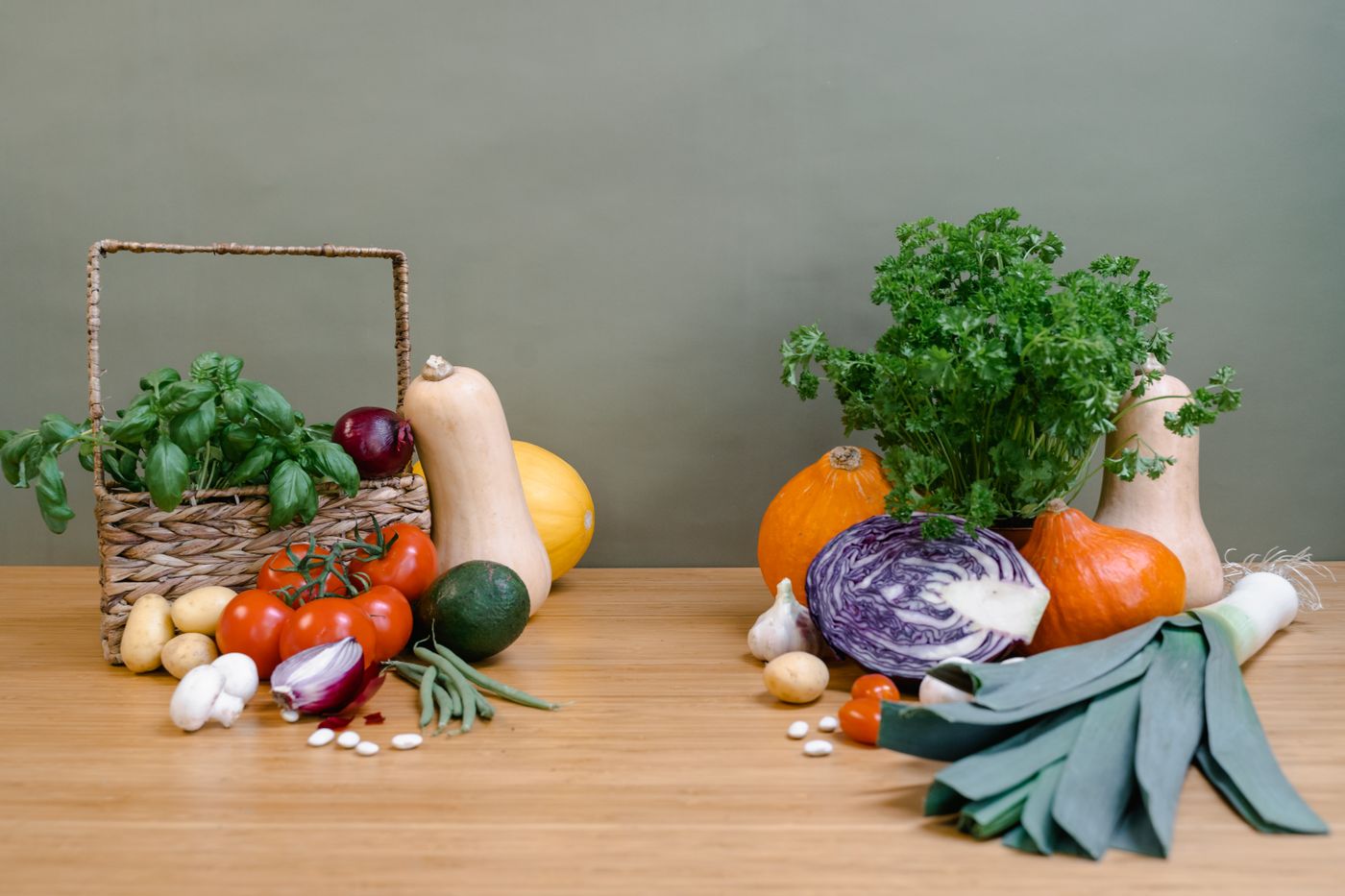
Photo: MART PRODUCTION/ https://www.pexels.com
Here is what a prebiotic is under the current scientific consensus, which of them are actually established, where to find them in food, how much you need, and who should be careful. Some of that last part is the opposite of what a supplement aisle will tell you.
What a prebiotic actually is

Photo: Los Muertos Crew/ https://www.pexels.com
The term was coined in 1995 by Gibson and Roberfroid.1 It has been redefined several times since, and the version that governs now comes from a panel convened by the International Scientific Association for Probiotics and Prebiotics in December 2016 and published in 2017:
“A substrate that is selectively utilized by host microorganisms conferring a health benefit.”
Twenty words, and every one of them is load-bearing.2
- Substrate — not necessarily a fiber, and not necessarily even a carbohydrate. The 2017 wording deliberately opened the category to things like polyphenols, and to body sites beyond the gut.2
- Selectively utilized — it has to be used by particular microbes, not fed indiscriminately to the whole ecosystem. This is the clause that does most of the excluding.2,3
- Conferring a health benefit — and it has to be documented. A measurable shift in your microbiota is not, by itself, enough.2
The earlier definition required a substrate to be "selectively fermented." Fermentation is one specific metabolic route, and requiring it ruled out substrates that microbes use other ways — which is a large part of why the wording changed to the broader "utilized."2
To reach the microbes at all, a prebiotic has to survive the trip: resisting stomach acid, your own digestive enzymes, and absorption across the small intestine. The colon is the destination, not an obstacle.4
The distinction almost everyone gets wrong
ISAPP puts it plainly: "Prebiotics are frequently equated with dietary fibers, but only a subset of dietary fibers actually qualify as prebiotics, and indeed, prebiotics may derive from non-fiber substances, such as polyphenols."3
So — most prebiotics are fibers, but most fibers are not prebiotics. Fermentable is not the same as prebiotic. A label that says "prebiotic fiber" is making a claim that the word "fiber" alone does not support, and in the United States there is no regulatory definition of "prebiotic" holding it to account.
The established prebiotics
ISAPP’s own summary is short: "The most commonly-studied prebiotics are the soluble fibers inulin, fructooligosaccharides (FOS), galactooligosaccharides (GOS), and more recently human milk oligosaccharides (HMOs)."3 That is the shortlist. Everything else is either a candidate or a fermentable fiber wearing the word.
Fructans: inulin and FOS
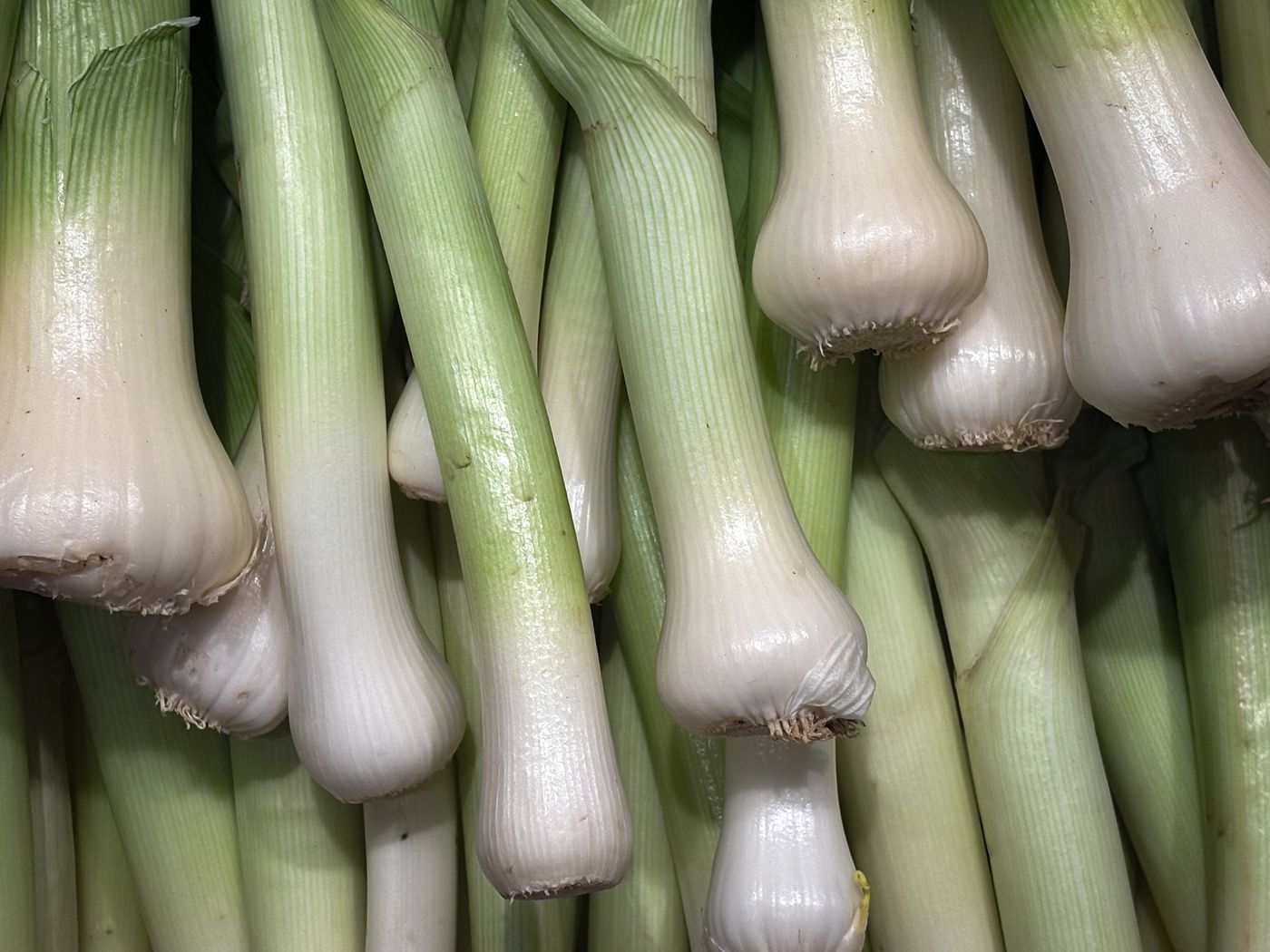
Photo: Magda Ehlers/ https://www.pexels.com
These two are the same chemistry at different lengths — chains of fructose units joined by β(2→1) bonds, usually with a glucose on the end. The dividing line is chain length: below roughly ten units you have FOS (also called oligofructose), above it you have inulin, which runs up to about 60 units.5,6
Shorter chains ferment faster and higher up the colon, which is why FOS produces noticeably more gas than inulin at the same dose. More on that below.
Where to find them: chicory root and Jerusalem artichoke are the richest natural sources by a wide margin, followed by garlic, leeks, onions, globe artichoke and asparagus. Bananas contribute a little. Wheat contributes a lot — not because it is concentrated, but because of how much of it people eat.
The real-world numbers
Americans average about 2.6 g of inulin and 2.5 g of oligofructose a day. Of that, wheat supplies roughly 70% and onions about 25%.7
Chicory root wins on concentration. Wheat and onions win on volume, which is the one that actually determines your intake.
GOS: galacto-oligosaccharides
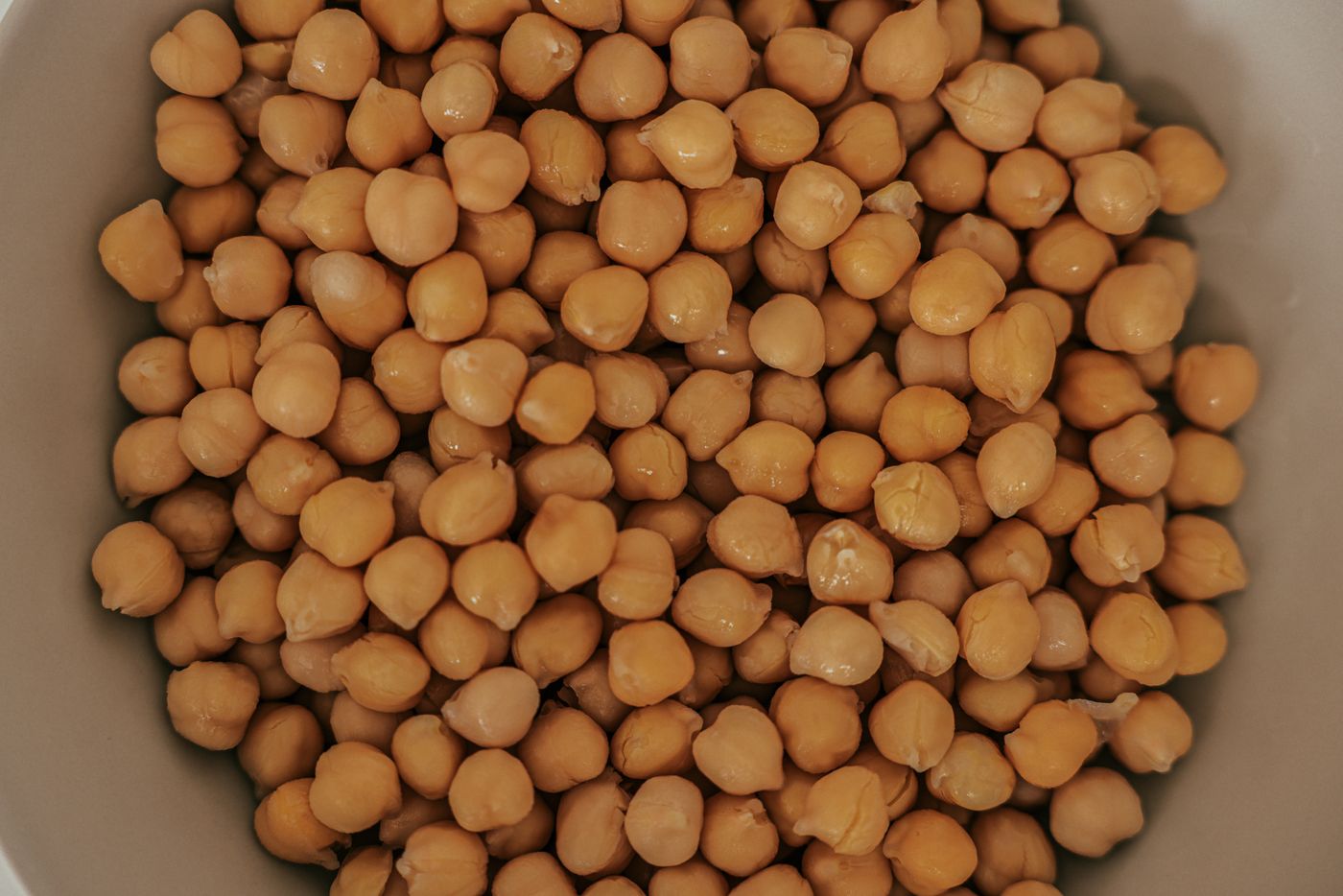
Photo: Cup of Couple/ https://www.pexels.com
Commercial GOS is built from lactose rather than by breaking it down. The enzyme β-galactosidase transfers galactose units onto lactose to assemble longer chains — a process called transgalactosylation — producing mostly tri- to pentasaccharides.8 Hydrolysis, the reaction that splits lactose into glucose and galactose, is the competing side reaction, not the product.
In food, the closest natural relatives are the raffinose-family oligosaccharides in legumes: chickpeas, lentils, beans.9 Chemically these are α-galactosides rather than the β-linked GOS in a supplement — a different molecule doing a similar job. FODMAP food tables group them together under "GOS," which is why you will see legumes on GOS lists.10 They are also, not coincidentally, the compounds behind the reputation beans have.
HMOs: human milk oligosaccharides
More than 200 distinct HMO structures have been identified, at concentrations of roughly 17.7 g/L in colostrum, 13.3 g/L in transitional milk and 11.3 g/L in mature milk.11 No other mammal’s milk matches human milk for their diversity and abundance.
They were originally identified as the "bifidus factor" — a substrate that selectively feeds bifidobacteria in an infant gut.12 But calling them only a prebiotic undersells them. They also act as "antiadhesive antimicrobials that serve as soluble decoy receptors," intercepting pathogens before they can attach to the infant’s gut lining.12
Two of them — 2’-fucosyllactose and lacto-N-neotetraose — are now manufactured and added to some infant formulas. FDA responded to the manufacturers’ GRAS notices with "no questions" letters,13 which acknowledges a company’s own safety determination. It is not the same thing as FDA approval, and it is worth not repeating it as though it were.
Others worth knowing about
Resistant starch
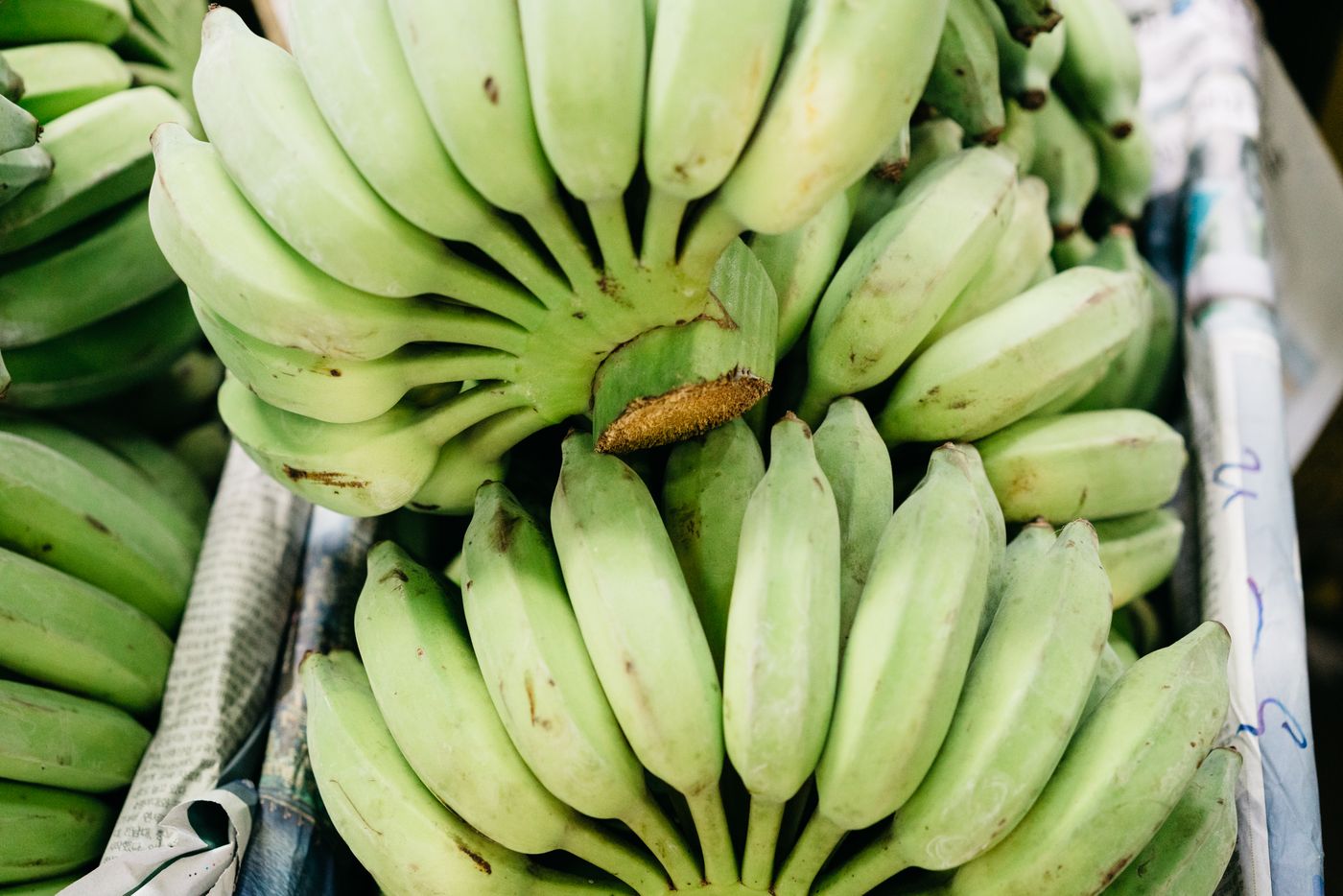
Photo: Markus Winkler/ https://www.pexels.com
Starch that escapes digestion in the small intestine and reaches the colon intact. There are five recognized types:14
- RS1 — physically inaccessible, locked behind cell walls. Coarsely ground or whole-kernel grains, seeds, legumes.
- RS2 — granular starch that resists enzymes in its raw state. Green bananas, raw potato, high-amylose maize.
- RS3 — retrograded starch, formed when cooked starchy food is cooled.
- RS4 — chemically modified starches, used as industrial ingredients.
- RS5 — amylose-lipid complexes.
The cooling step is the whole trick
Freshly cooked, still-warm rice or potato is highly digestible starch, not resistant starch. RS3 forms as cooked starch cools and the amylose retrogrades into resistant structures. Freshly cooked potato measured 0.82% resistant starch; cooled, it roughly doubled to 1.60%.14
So: potato salad, sushi rice, cold pasta salad, and yesterday’s rice reheated from the fridge. Note the reverse also applies — raw potato and green bananas are RS2, and most of that resistance disappears the moment you cook them.14
XOS: xylooligosaccharides
Chains of β-1,4-linked xylose units.15 They turn up naturally in bamboo shoots and in trace amounts in honey, fruits and vegetables, but dietary intake is negligible — supplement XOS is manufactured from plant material such as corncobs.
What makes XOS interesting is the dose. In a double-blind randomized trial of 32 healthy adults over eight weeks, 1.4 to 2.8 g a day raised bifidobacteria measurably, with the higher dose outperforming the lower, and "was tolerated without significant gastrointestinal side effects."16 That is a fraction of what inulin or FOS requires. The same trial was honest about its limits: no significant effect on stool pH, short-chain fatty acids, or overall bacterial diversity.16
Beta-glucan, pectin, and the near-misses
Beta-glucan (oats and barley are the two richest dietary sources) and pectin (apples, citrus) are genuinely useful fermentable fibers. Beta-glucan has an authorized FDA health claim for cholesterol. Neither is on ISAPP’s list of established prebiotics.3,5 Useful and prebiotic are separate questions.
Polyphenols
The 2017 definition explicitly opened the door: polyphenols "might fit the updated definition," though ISAPP added that "far more studies in the target host are required."2 The mechanism is coherent — most polyphenols are poorly absorbed, reach the colon intact, and get metabolized by microbes into active compounds. The most recent dedicated review concludes there is "much evidence in preclinical studies… but further clinical studies are needed."17 Promising. Not established.
What prebiotics actually do
This is where the marketing and the evidence part company, so it is worth being precise about which claims survive.
They raise bifidobacteria. This one is solid. A meta-analysis of 64 trials in 2,099 healthy adults found a moderate, consistent increase (SMD 0.64, 95% CI 0.42–0.86), strongest for fructans and GOS specifically.18 A separate meta-analysis of 50 studies in 2,525 participants found a similar effect for inulin-type fructans at 3–20 g/day (SMD 0.83).19
They do not increase overall microbial diversity. The same 64-trial analysis found no difference in alpha-diversity.18 "Increases microbiome diversity" is one of the most common things written on prebiotic packaging and it is not what the trials show.
For constipation, the evidence is weaker than you would guess. A meta-analysis found fiber supplementation helped more people than placebo, but rated the overall quality of evidence low, with high risk of bias — and flatulence was significantly higher on fiber.20 The American College of Gastroenterology’s 2021 review of over-the-counter therapies for chronic constipation graded polyethylene glycol and senna as good evidence, psyllium as moderate, and rated the evidence for inulin and fructo-oligosaccharide as "insufficient."21
Hard clinical outcomes in healthy adults are largely unestablished. There is no meta-analysis showing that prebiotic supplementation delivers a proven clinical benefit in healthy people. Individual trials on satiety and glycemia mostly miss their primary endpoints — one 96-person trial of oligofructose plus pectin at 15 or 30 g/day for three weeks found "no statistically significant difference in energy intake among the three treatment groups."22
None of which means prebiotic-rich foods are not worth eating. It means the reason to eat them is that they are vegetables, legumes and whole grains — not that a supplement version has been shown to do something specific to you.
Dose, and the case for going slowly
Photo: Kindel Media/ https://www.pexels.com
ISAPP’s guidance: "Effective prebiotic doses generally require at least 3 grams daily, with approximately 5 grams as the typical target for FOS and GOS."3
Tolerance is where it gets specific. In a randomized double-blind crossover trial in 26 healthy adults, doses up to 10 g/day of native inulin and up to 5 g/day of oligofructose were well tolerated — but 10 g of oligofructose substantially increased symptoms, with flatulence the most common complaint, followed by bloating.23 A separate trial found that while 10 g of inulin was fine, 20 g produced a significantly worse symptom score than placebo.24
- Start at 2–3 g and build. Your microbes adapt; the adaptation takes a couple of weeks.
- Chain length matters more than the label suggests. Gram for gram, FOS/oligofructose causes more gas than inulin, because shorter chains ferment faster and further up.23
- Food first. Getting there through onions, leeks, legumes and cooled starches spreads the dose across the day and brings everything else in the food with it.
- Gas is not automatically a bad sign — it is fermentation, which is the point. Pain, urgency or symptoms that do not settle after a few weeks are a different matter.
If you have IBS or SIBO, read this part first
Prebiotics can make things worse, and this is well documented
Inulin, FOS and GOS are not merely similar to FODMAPs — they are the "O" in FODMAP. The acronym covers "fructans and fructooligosaccharides (FOS…), galactooligosaccharides (GOS, raffinose, stachyose)" among others.10
A low-FODMAP diet, which restricts exactly these compounds, reduced overall gastrointestinal symptom scores in a controlled crossover trial of people with IBS — roughly halving them compared with a typical diet, with bloating, pain and gas all reduced.25
And going the other way: a meta-analysis of 11 randomized trials in 729 patients concluded that "prebiotics do not improve gastrointestinal symptoms or QoL in patients with IBS or other functional bowel disorders, but they do increase bifidobacteria." The detail that matters most: prebiotics at doses of 6 g/day or less improved flatulence, while inulin-type fructans specifically made flatulence significantly worse.26
So if you have IBS, SIBO, or a history of reacting badly to onions, garlic, wheat or beans: lower doses and non-inulin prebiotics are the better-tolerated end of the range, and this is a conversation to have with a clinician or dietitian rather than a shelf.
Prebiotics and probiotics together

A product containing both has a name, and the name has a definition. ISAPP convened a second panel in 2019 and landed on: "a mixture comprising live microorganisms and substrate(s) selectively utilized by host microorganisms that confers a health benefit on the host."27
They split it into two kinds. A complementary synbiotic is a probiotic plus a prebiotic, where each component independently meets its own evidence and dose requirements. A synergistic synbiotic is designed so the substrate is selectively utilized by the co-administered strains — a lower bar for the components, a higher one for the design.27 A product does not become a synbiotic just by containing a probiotic and some fiber.
Flourish is a living liquid probiotic. It is not a synbiotic, and we are not going to call it one. The most useful thing you can do alongside it is the thing this whole article is about: eat the foods your resident microbes were already going to use.
The short version
Photo: Viktoria Slowikowska/ https://www.pexels.com
- A prebiotic is a substrate selectively used by your microbes that has a documented health benefit. Most prebiotics are fibers; most fibers are not prebiotics.
- The established list is short: inulin, FOS, GOS, and HMOs.
- Resistant starch needs the cooling step. Freshly cooked warm rice does not count.
- Prebiotics reliably raise bifidobacteria. They do not raise diversity, and clinical benefits in healthy adults are not established.
- Effective doses start around 3–5 g. Inulin is tolerated to about 10 g; oligofructose bites earlier.
- If you have IBS or SIBO, inulin-type fructans are the ones most likely to make you feel worse.
The practical upshot has not changed much: eat a varied diet with plenty of vegetables, legumes and whole grains. That gets you a wide range of vitamins and minerals, and a good meal for the bacteria you already have.
About this article
Written by: Lorilyn Van Dyke, Entegro Health | Originally published: December 2023
Important information
This article is for general education and is not a substitute for professional medical or dietary advice, diagnosis, or treatment. If you have a diagnosed digestive condition, are managing symptoms of IBS or SIBO, or are considering a substantial change to your fiber intake, speak with your physician or a registered dietitian first. Food composition figures vary with variety, growing conditions, ripeness and preparation, so treat them as good estimates rather than exact values. Effects described in the research summarized here are specific to the substance, the dose and the population studied, and do not transfer automatically to other products. These statements have not been evaluated by the Food and Drug Administration. This product is not intended to diagnose, treat, cure, or prevent any disease.
Sources
- Gibson, G. R., & Roberfroid, M. B. (1995). Dietary modulation of the human colonic microbiota: introducing the concept of prebiotics. Journal of Nutrition, 125(6), 1401–1412 — the paper that coined the term. Source
- Gibson, G. R., Hutkins, R., Sanders, M. E., et al. (2017). Expert consensus document: the International Scientific Association for Probiotics and Prebiotics (ISAPP) consensus statement on the definition and scope of prebiotics. Nature Reviews Gastroenterology & Hepatology, 14(8), 491–502 — the current definition, from a panel convened in December 2016. Source
- International Scientific Association for Probiotics and Prebiotics. Prebiotics — the definition’s three components, the established prebiotic list, the fiber/polyphenol distinction, and dosing guidance. Source
- Gibson, G. R., Probert, H. M., Van Loo, J., Rastall, R. A., & Roberfroid, M. B. (2004). Dietary modulation of the human colonic microbiota: updating the concept of prebiotics. Nutrition Research Reviews, 17(2), 259–275 — the earlier three-criteria framework, including resistance to gastric acidity, hydrolysis by mammalian enzymes and gastrointestinal absorption. Source
- Carlson, J. L., Erickson, J. M., Lloyd, B. B., & Slavin, J. L. (2018). Health effects and sources of prebiotic dietary fiber. Current Developments in Nutrition, 2(3), nzy005 — degrees of polymerization for inulin, oligofructose and FOS; beta-glucan sources. Source
- Davani-Davari, D., Negahdaripour, M., Karimzadeh, I., et al. (2019). Prebiotics: definition, types, sources, mechanisms, and clinical applications. Foods, 8(3), 92 — general background; note that it predates the current ISAPP definition and uses the earlier wording. Source
- Moshfegh, A. J., Friday, J. E., Goldman, J. P., & Ahuja, J. K. (1999). Presence of inulin and oligofructose in the diets of Americans. Journal of Nutrition, 129(7 Suppl.), 1407S–1411S — average intake of 2.6 g inulin and 2.5 g oligofructose per day; wheat about 70% and onions about 25% of the total. Source
- Davani-Davari, D., et al. (2019), as above — GOS produced by enzymatic transglycosylation using galactosidase or galactosyl-transferase enzymes, yielding mainly tri- to pentasaccharides. See also van Loo, J., Coussement, P., de Leenheer, L., Hoebregs, H., & Smits, G. (1995). On the presence of inulin and oligofructose as natural ingredients in the western diet. Critical Reviews in Food Science and Nutrition, 35(6), 525–552. Source
- Biesiekierski, J. R., Rosella, O., Rose, R., et al. (2011). Quantification of fructans, galacto-oligosaccharides and other short-chain carbohydrates in processed grains and cereals. Journal of Human Nutrition and Dietetics, 24(2), 154–176 — raffinose and stachyose most common in pulses. Source
- Muir, J. G., Rose, R., Rosella, O., et al. (2009). Measurement of short-chain carbohydrates in common Australian vegetables and fruits by high-performance liquid chromatography. Journal of Agricultural and Food Chemistry, 57(2), 554–565 — the FODMAP definition, which groups raffinose and stachyose under GOS. Source
- Soyyılmaz, B., Mikš, M. H., Röhrig, C. H., et al. (2021). The mean of milk: a review of human milk oligosaccharide concentrations throughout lactation. Nutrients, 13(8), 2737 — more than 200 identified HMO structures; 17.7 g/L colostrum, 13.3 g/L transitional, 11.3 g/L mature milk. Authors were employed by an HMO manufacturer, disclosed in the paper. Source
- Bode, L. (2012). Human milk oligosaccharides: every baby needs a sugar mama. Glycobiology, 22(9), 1147–1162 — the "bifidus factor" origin, and HMOs as antiadhesive antimicrobials acting as soluble decoy receptors. Source
- U.S. Food and Drug Administration. GRAS Notice No. GRN 000650 (2’-fucosyllactose, response 23 November 2016) and GRN 000659 (lacto-N-neotetraose) — "no questions" letters acknowledging the notifier’s own GRAS determination, which is not an FDA approval. Source
- Birt, D. F., Boylston, T., Hendrich, S., et al. (2013). Resistant starch: promise for improving human health. Advances in Nutrition, 4(6), 587–601 — the RS1–RS5 classification; freshly cooked potato 0.82% resistant starch versus 1.60% cooled. Source
- Lin, S. H., Chou, L. M., Chien, Y. W., Chang, J. S., & Lin, C. I. (2016). Prebiotic effects of xylooligosaccharides on the improvement of microbiota balance in human subjects. Gastroenterology Research and Practice, 2016, 5789232 — a small randomized trial (n=20, culture-based outcomes) reporting increases in faecal Lactobacillus and Bifidobacterium. Source
- Finegold, S. M., Li, Z., Summanen, P. H., et al. (2014). Xylooligosaccharide increases bifidobacteria but not lactobacilli in human gut microbiota. Food & Function, 5(3), 436–445 — n=32, double-blind, 8 weeks, 1.4 or 2.8 g/day; no significant effect on stool pH, short-chain fatty acids or bacterial diversity. Source
- Plamada, D., & Vodnar, D. C. (2021). Polyphenols–gut microbiota interrelationship: a transition to a new generation of prebiotics. Nutrients, 14(1), 137. Source
- So, D., Whelan, K., Rossi, M., et al. (2018). Dietary fiber intervention on gut microbiota composition in healthy adults: a systematic review and meta-analysis. American Journal of Clinical Nutrition, 107(6), 965–983 — 64 studies, 2,099 participants; bifidobacteria SMD 0.64; no difference in alpha-diversity. Source
- Nagy, D. U., Sándor-Bajusz, K. A., Bódy, B., et al. (2023). Effect of chicory-derived inulin-type fructans on abundance of Bifidobacterium and on bowel function: a systematic review with meta-analyses. Critical Reviews in Food Science and Nutrition, 63(33), 12018–12035 — 50 studies, 2,525 participants, 3–20 g/day. Two authors were employed by an inulin manufacturer. Source
- Christodoulides, S., Dimidi, E., Fragkos, K. C., et al. (2016). Systematic review with meta-analysis: effect of fibre supplementation on chronic idiopathic constipation in adults. Alimentary Pharmacology & Therapeutics, 44(2), 103–116 — overall quality of evidence low, high risk of bias; flatulence significantly higher with fibre. Source
- Rao, S. S. C., & Brenner, D. M. (2021). Efficacy and safety of over-the-counter therapies for chronic constipation: an updated systematic review. American Journal of Gastroenterology, 116(6), 1156–1181 — grade A for polyethylene glycol and senna, grade B for psyllium, and insufficient evidence (grade I) for inulin and fructo-oligosaccharide. Source
- Savastano, D. M., Hodge, R. J., Nunez, D. J., et al. (2014). Effect of two dietary fibers on satiety and glycemic parameters: a randomized, double-blind, placebo-controlled, exploratory study. Nutrition Journal, 13, 45 — n=96; no significant difference in energy intake between groups. Source
- Bonnema, A. L., Kolberg, L. W., Thomas, W., & Slavin, J. L. (2010). Gastrointestinal tolerance of chicory inulin products. Journal of the American Dietetic Association, 110(6), 865–868 — randomized double-blind crossover, n=26; up to 10 g/day native inulin and 5 g/day oligofructose well tolerated, 10 g oligofructose substantially increased symptoms. Source
- Housez, B., Cazaubiel, M., Vergara, C., et al. (2012). Evaluation of digestive tolerance of a soluble corn fibre. Journal of Human Nutrition and Dietetics, 25(5), 488–496 — 20 g of inulin produced a significantly worse composite symptom score than placebo, where 10 g did not. Source
- Halmos, E. P., Power, V. A., Shepherd, S. J., Gibson, P. R., & Muir, J. G. (2014). A diet low in FODMAPs reduces symptoms of irritable bowel syndrome. Gastroenterology, 146(1), 67–75 — randomized controlled single-blind crossover, 30 patients with IBS and 8 controls, all food provided. Source
- Wilson, B., Rossi, M., Dimidi, E., & Whelan, K. (2019). Prebiotics in irritable bowel syndrome and other functional bowel disorders in adults: a systematic review and meta-analysis of randomized controlled trials. American Journal of Clinical Nutrition, 109(4), 1098–1111 — 11 trials, 729 patients; no symptom or quality-of-life benefit; inulin-type fructans worsened flatulence (SMD 0.85). No study was at low risk of bias across all categories. Source
- Swanson, K. S., Gibson, G. R., Hutkins, R., et al. (2020). The International Scientific Association for Probiotics and Prebiotics (ISAPP) consensus statement on the definition and scope of synbiotics. Nature Reviews Gastroenterology & Hepatology, 17(11), 687–701 — the synbiotic definition and the complementary/synergistic distinction. Source