Bathroom Anxiety at School
A quarter of schoolchildren avoid the toilets at school. Most of their parents have no idea, because it is close to the last thing a nine-year-old volunteers over dinner.

Photo: Norma Mortenson/ https://www.pexels.com
This is one of those problems that is enormous and almost invisible at the same time. It has a real research literature, which we will use, and it has real consequences, which we will not overstate. It also has one section that matters more than the rest — the part about when to stop reading articles and call your pediatrician.
It is far more common than most parents realize
The best-powered study in this field surveyed 19,577 children across 252 schools. It found that “more than half of the children (50% boys and 60% girls) were dissatisfied with the toilet facilities” and that “one-fourth of the children (28% of girls, 23% of boys) reported avoiding the use of school toilets”1.
Narrow the question to bowel movements specifically and the numbers get larger. A Swedish survey of 385 children aged 6 to 16 found that 63% never used the school toilet to defecate — rising to 80% among the 13-to-16s2. A German study asked parents directly, and 45.5% said their child holds stool in specifically to avoid the school toilet3.
Photo: Yan Krukau/ https://www.pexels.com
A note on where these numbers come from
Almost all of the good quantitative work here is Danish, Swedish, German or British. The two US studies we found are careful interview studies of about thirty people each5,6 — useful, but not the kind of thing you can put a percentage on. So: this is well established internationally, and the American numbers are thinner than you would expect for something this common.
Why children won’t go
Ask children and they tell you, consistently, across countries and decades. In the Swedish work, children “generally based their perceptions of school toilets on physical appearance, offensive smell, and feelings of insecurity”2. In the earliest study, from England and Sweden, children “said they found school toilets unpleasant, dirty, smelly, and frightening and that bullying occurred there”4. A recent American interview study lists “unpleasant bathroom environments, lack of privacy, and school/teacher policies”5.
That last one is the least discussed and the most fixable, so it is worth dwelling on. Researchers who interviewed children aged 9 to 16 found that “to manage the children’s toilet needs, teachers used rules designed for maintaining order in the classroom” — rules that were “not adapted to the children’s physical and developmental needs”7. Break time was too short. And the worst part, in the children’s own account, was having to ask.
The most frustrating was to be forced to, in front of all their classmates, make public the need to go to the toilet: the most private was exposed to the disclosure.
Read that with a particular child in mind and the whole thing snaps into focus. This is not fussiness. An eight-year-old raising a hand in a silent classroom to announce a private need, in front of thirty people who will absolutely remember it, is making a completely rational calculation when they decide to wait until they get home.
One Swedish researcher put the trade-off plainly: children “would rather endure physical discomfort than the psychological and social discomfort of using the school toilet”2.
What holding it in actually does
Here the physiology is not in dispute. Withholding is “the commonest pathophysiological mechanism for developing” functional constipation in young children, and the cycle works like this8:
“The rectal mucosa, which is designed to absorb water in stools, absorbs water in feces, and the fecal mass in the rectum becomes rock hard and difficult to evacuate. Occasional passage of the fecal mass causes pain in the perianal region, which further aggravates withholding. The rectal wall stretches due to the enlarging fecal mass and accommodates more fecal matter… which further reduces the desire to pass stools”8.
So the urge really does fade — not because a child stops caring but because a stretched rectum stops signalling properly and partly loses the contractility it needs to push. Each painful trip makes the next avoidance more sensible from the child’s point of view. That is what makes it a cycle rather than a habit.
Functional constipation is common in its own right: a systematic review of 37 studies puts the pooled prevalence in children at 9.5%10. And it costs children something real. A meta-analysis of 20 studies covering 2,344 children found quality-of-life scores of 65.6 against 86.1 in healthy comparison groups11 — across physical, emotional, social and school-functioning domains. The 2026 international guideline puts it simply: constipation “greatly affects the social, physical, and emotional functioning of children”9.
One thing we are not going to claim
It would be easy to write that avoiding the school toilet makes children do worse at school. We looked for that and could not find it. What exists is the school-functioning subscale of quality-of-life questionnaires — how a child or parent rates how school is going. That is not grades, not test scores, not attendance. Nor has any study yet shown that improving school toilets reduces constipation, though the association between dissatisfaction, avoidance and bowel problems is strong and comes from nearly twenty thousand children1.
When to stop reading and call your pediatrician
This is the most important section in the article, and it is the one most articles like this leave out.

Photo: Pavel Danilyuk/ https://www.pexels.com
Soiled underwear is not naughtiness. It is a sign the constipation is advanced.
If your child is constipated and also soiling, what is usually happening is overflow incontinence — liquid stool leaking around a hard, impacted mass that cannot pass. The child often cannot feel it happening and certainly is not doing it on purpose. The 2026 international guideline treats explaining this to families as a core part of care, calling it “vital to counsel children and their caregivers… and educate them about the role of withholding behavior and the concept of overflow incontinence”9.
See a doctor promptly for any of these:
- Soiling or stool accidents in a child who was previously reliably clean
- Blood in the stool
- Poor weight gain, weight loss, or failure to thrive
- Significant abdominal swelling, or bilious (green) vomiting
- Severe pain on passing stool, or anal fissures in a child over two
- Ribbon-like stools, or constipation that began in the first year of life
- Any leg weakness, altered walking, or a dimple, hair tuft or birthmark over the lower spine
That list is drawn from the red-flag table clinicians themselves use8. There is also a good reason not to wait and see: among the factors that worsen the outlook in childhood constipation is a longer delay between symptoms starting and being seen8.
It is also worth knowing how low the diagnostic bar is. Under the Rome IV criteria a child of four or older meets the definition of functional constipation with just two of the following, present for a month: two or fewer bowel movements a week in the toilet; a history of retentive posturing or holding on; painful or hard bowel movements; a large mass of stool in the rectum; very large-diameter stools; or stool incontinence8. Two, for a month. Most parents assume the threshold is far higher than that.
What actually helps
The 2026 ESPGHAN/NASPGHAN guideline reviewed 102 randomized trials and issued eleven graded recommendations. One of the eleven is strong9:
Polyethylene glycol is the only treatment with a strong recommendation in the current guideline.
That is worth saying plainly because it reorders everything else on the list. If your child is genuinely constipated, the treatment with real evidence behind it is a laxative your doctor prescribes — not a diet change, not a supplement, and not anything sold on the internet, including by us.
Alongside that, the things the guideline actually endorses
Explanation and toilet training. The guideline “recommends demystification, explanation, and guidance for toilet training”, and specifically: “It is recommended to implement a toilet training program with a reward system, encouraging the child to attempt defecation after meals”9. After meals is not arbitrary — the gut is most active then, so a few unhurried minutes on the toilet after breakfast is the single best-supported piece of practical advice in this whole article.
Behavioral support — alongside treatment, not instead of it. A Cochrane review of 21 trials in 1,371 children found that behavior modification plus laxatives reduced soiling where behavioral work alone did not12. The guideline agrees, suggesting behavioral interventions “should not be used in isolation”9.
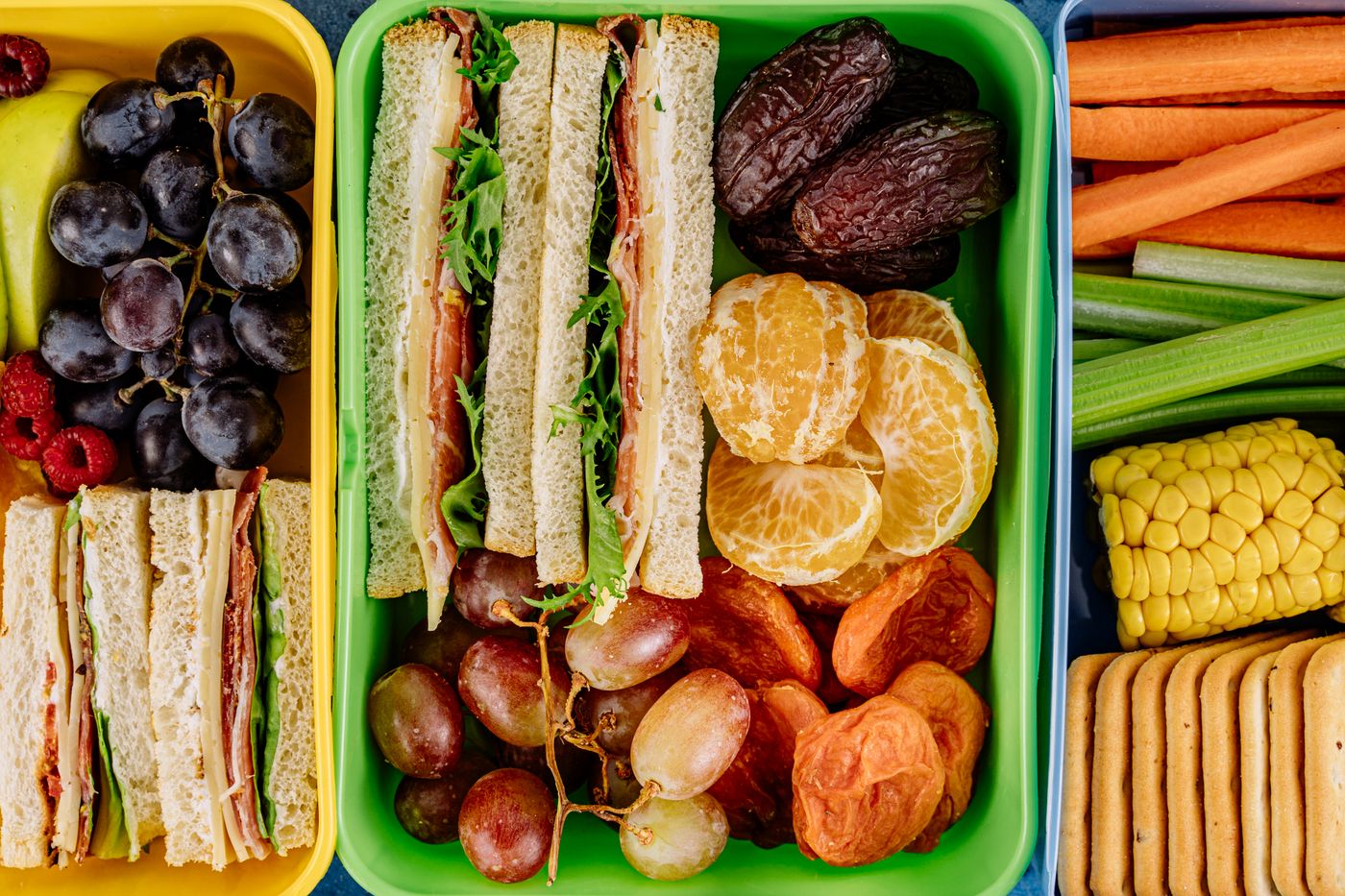
Photo: Antoni Shkraba/ https://www.pexels.com
A normal, balanced diet — and here we have to be honest about fiber and water. The guideline recommends “a healthy, balanced diet with age-appropriate water and fiber intake”, and then adds, in the same breath: “There is no evidence to support physical activity, fluid, or fiber intake in the treatment of FC in children beyond the recommended daily amounts”9. A meta-analysis of nine trials in 680 children found fiber supplements made no significant difference to any outcome13.
Which is not an argument against vegetables. It is an argument against believing that more fiber and more water will fix a child who is already withholding. Feed them well because feeding them well is good; treat the constipation with the thing that treats constipation.
What to ask the school for
Every item here comes straight out of what the children in these studies said was wrong.
- A discreet way to ask. A card, a signal, a standing arrangement — anything that means your child does not have to announce it to the room7.
- Doors that shut and lock. Privacy is the single most consistent complaint across every study in this field.
- Cleanliness, and someone checking during the day. Half to two-thirds of children report being dissatisfied or disgusted by their school toilets1,3.
- A look at the bathroom-access rules. American researchers recommend “eliminating policies aimed at controlling bathroom access”5 and “bathroom use and sanitation policies that support students’ voiding needs”6.
- Enough time at break. Children in these studies said recess was too short to go without missing out7.
- The school nurse as an ally. Nurses are well placed to work on toilet policies with teachers and administrators5.
If your child has a diagnosed bowel condition, it is worth asking the school and your pediatrician about a formal accommodation plan so that bathroom access is written down rather than left to whoever is teaching that period.

Photo: Ivan S/ https://www.pexels.com
And at home: ask, without making it a big conversation. “Do you ever go at school?” answered honestly tells you more than a week of guessing. Children hide this, and they hide it harder if they think the answer will worry you.
Why any of this involves the gut in the first place
A quick and deliberately modest detour, because we are a gut-health company and you can reasonably ask what we think we are doing here.
Three things are true and worth knowing. The gut is where nutrients are actually absorbed, so it is doing the work that turns a child’s lunch into a child. A large share of the body’s immune cells live in and around the intestinal wall — gut-associated lymphoid tissue has been described as representing “almost 70% of the entire immune system”14, though we would treat that particular number as a rough order of magnitude rather than a measurement, because it circulates far more confidently than its sourcing supports. And the gut and the brain genuinely do talk to each other, constantly, in both directions.
What we are not going to do is run that last one into a claim about children’s moods or mental health. The gut–brain axis is a real and fascinating field, and in children it is also a nearly empty one — there is very little trial evidence, and what exists is in children who already have a diagnosis. So: real science, not a selling point.
Where a probiotic fits, and where it doesn’t

We sell a probiotic, so this is the section where you should be most skeptical of us. Here is the evidence as it stands.
The 2026 guideline looked at every probiotic trial in childhood constipation it could find. Pooled together, the verdict was blunt: “When all probiotic strains were pooled in a meta-analysis, no conclusions could be drawn for probiotics compared to a placebo”9.
One exception survived. The guideline gives a conditional recommendation, on low certainty evidence from a single trial, to one specific probiotic mixture — a combination containing Lactobacillus acidophilus, Bifidobacterium longum and Streptococcus thermophilus9.
Those three species are in Flourish. Here is exactly what that does and doesn’t mean.
Flourish contains eleven organisms, and L. acidophilus, B. longum and S. thermophilus are three of them. That is a real and checkable overlap, and we would rather point it out than have you discover it.
It is not evidence that Flourish does anything. The guideline’s recommendation attaches to particular strains tested as a particular product, and it says in terms that other preparations “do not have sufficient evidence at a strain level to support such recommendations”9. A strain designation is the genus and species name plus a specific culture-collection or commercial identifier16; Flourish is named to species. Same species, different organisms, no trial of our own.
So: interesting, yes. A reason to give your constipated child Flourish instead of seeing a doctor, absolutely not.
What we will stand behind is narrower and duller. Flourish is a fermented living liquid that supports a healthy digestive tract and helps maintain the intestinal flora15. It is easy to give to a child — it pours, so there is no capsule to swallow and the dose can be measured to size, and one bottle does the whole family. If that is useful to you, we are glad. It is not a treatment for constipation and we are not going to imply that it is.

Photo: Antonius Ferret/ https://www.pexels.com
The short version
A quarter of children avoid school toilets and most of their parents do not know. The reasons they give are specific and mostly fixable — privacy, cleanliness, time, and above all not having to announce it to a room full of classmates. Holding on has a real physical cost, and the cycle it sets up gets harder to break the longer it runs.
So ask your child. Ask the school. And if the answers worry you, ask your pediatrician early rather than late — that last one is the piece of advice in this article with the most evidence behind it, and it is free.
About this article
Written by: Kelsy Armstrong, Entegro Health | Originally published: August 2025
Important information
This article is for general education and isn’t a substitute for professional medical advice, diagnosis, or treatment. Always seek the advice of your physician or another qualified health provider with any questions about your child’s health, and never disregard or delay professional advice because of something you have read here.
These statements have not been evaluated by the Food and Drug Administration. This product is not intended to diagnose, treat, cure, or prevent any disease.
Sources
- Jørgensen, C. S., Breinbjerg, A. S., Rittig, S., & Kamperis, K. (2021). Dissatisfaction with school toilets is associated with bladder and bowel dysfunction. European Journal of Pediatrics, 180(11), 3317–3324 — 19,577 children across 252 schools; 50–60% dissatisfied, ~25% avoiding. Source
- Lundblad, B., & Hellström, A. L. (2005). Perceptions of school toilets as a cause for irregular toilet habits among schoolchildren aged 6 to 16 years. Journal of School Health, 75(4), 125–128 — n=385; 63% overall never used the school toilet to defecate. Source
- Laffolie, J., Ibrahimi, G., & Zimmer, K. P. (2021). Poor perception of school toilets and increase of functional constipation. Klinische Pädiatrie, 233(1), 5–9 — ~277 German families; 45.5% reported the child withholds stool to avoid the school toilet. Source
- Vernon, S., Lundblad, B., & Hellström, A. L. (2003). Children’s experiences of school toilets present a risk to their physical and psychological health. Child: Care, Health and Development, 29(1), 47–53 — n=551, England and Sweden. Source
- Allen, E. S., & Kane Low, L. (2025). Adolescent women’s perspectives on barriers and facilitators to high school bathroom use. Journal of School Nursing, 41(3), 309–315 — US qualitative, n=30. Source
- Venkatapuram, P., Angulo-Lozano, J. C., Spinzi, S., Brown-Johnson, C., Phord-Toy, A., & Kan, K. M. (2024). Parental knowledge, beliefs, practices, and barriers related to children’s bladder health in the school environment. Journal of School Health, 94(10), 965–974 — US qualitative, n=30 parents. Source
- Lundblad, B., Hellström, A. L., & Berg, M. (2010). Children’s experiences of attitudes and rules for going to the toilet in school. Scandinavian Journal of Caring Sciences, 24(2), 219–223 — interviews with 19 children aged 9–16. Source
- Rajindrajith, S., Devanarayana, N. M., & Benninga, M. A. (2022). Childhood constipation: current status, challenges, and future perspectives. World Journal of Clinical Pediatrics, 11(5), 385–404 — withholding physiology, Rome IV criteria, red-flag and prognostic tables. Source
- Gordon, M., de Geus, A., Boruta, M., Banasiuk, M., Benninga, M., Borrelli, O., et al. (2026). ESPGHAN/NASPGHAN guidelines for treatment of functional constipation in children aged 0–18 years. Journal of Pediatric Gastroenterology and Nutrition, 83(2), 335–366 — 102 randomized trials; “polyethylene glycol (PEG) is the only treatment with a strong recommendation”; “when all probiotic strains were pooled… no conclusions could be drawn.” Source
- Koppen, I. J. N., Vriesman, M. H., Saps, M., Rajindrajith, S., Shi, X., van Etten-Jamaludin, F. S., et al. (2018). Prevalence of functional defecation disorders in children: a systematic review and meta-analysis. Journal of Pediatrics, 198, 121–130 — 37 studies; pooled prevalence 9.5% (95% CI 7.5–12.1). Source
- Vriesman, M. H., Rajindrajith, S., Koppen, I. J. N., van Etten-Jamaludin, F. S., van Dijk, M., Devanarayana, N. M., et al. (2019). Quality of life in children with functional constipation: a systematic review and meta-analysis. Journal of Pediatrics, 214, 141–150 — 20 studies, 2,344 children; pooled score 65.6 versus 86.1. Source
- Brazzelli, M., Griffiths, P. V., Cody, J. D., & Tappin, D. (2011). Behavioural and cognitive interventions with or without other treatments for the management of faecal incontinence in children. Cochrane Database of Systematic Reviews, (12), CD002240 — 21 trials, 1,371 children; behavior modification plus laxatives reduced soiling. Source
- Piccoli de Mello, P., Eifer, D. A., & Daniel de Mello, E. (2018). Use of fibers in childhood constipation treatment: systematic review with meta-analysis. Jornal de Pediatria, 94(5), 460–470 — 9 trials, 680 children; no significant effect on any outcome. Source
- Vighi, G., Marcucci, F., Sensi, L., Di Cara, G., & Frati, F. (2008). Allergy and the gastrointestinal system. Clinical and Experimental Immunology, 153(Suppl 1), 3–6 — gut-associated lymphoid tissue “represents almost 70% of the entire immune system.” Source
- Hill, C., Guarner, F., Reid, G., Gibson, G. R., Merenstein, D. J., Pot, B., et al. (2014). Expert consensus document: The International Scientific Association for Probiotics and Prebiotics consensus statement on the scope and appropriate use of the term probiotic. Nature Reviews Gastroenterology & Hepatology, 11(8), 506–514. Source
- Binda, S., Hill, C., Johansen, E., Obis, D., Pot, B., Sanders, M. E., et al. (2020). Criteria to qualify microorganisms as “probiotic” in foods and dietary supplements. Frontiers in Microbiology, 11, 1662 — “proper strain designation is therefore composed of two main parts: the official genus, species (and subspecies) names… followed by a strain designation.” Source